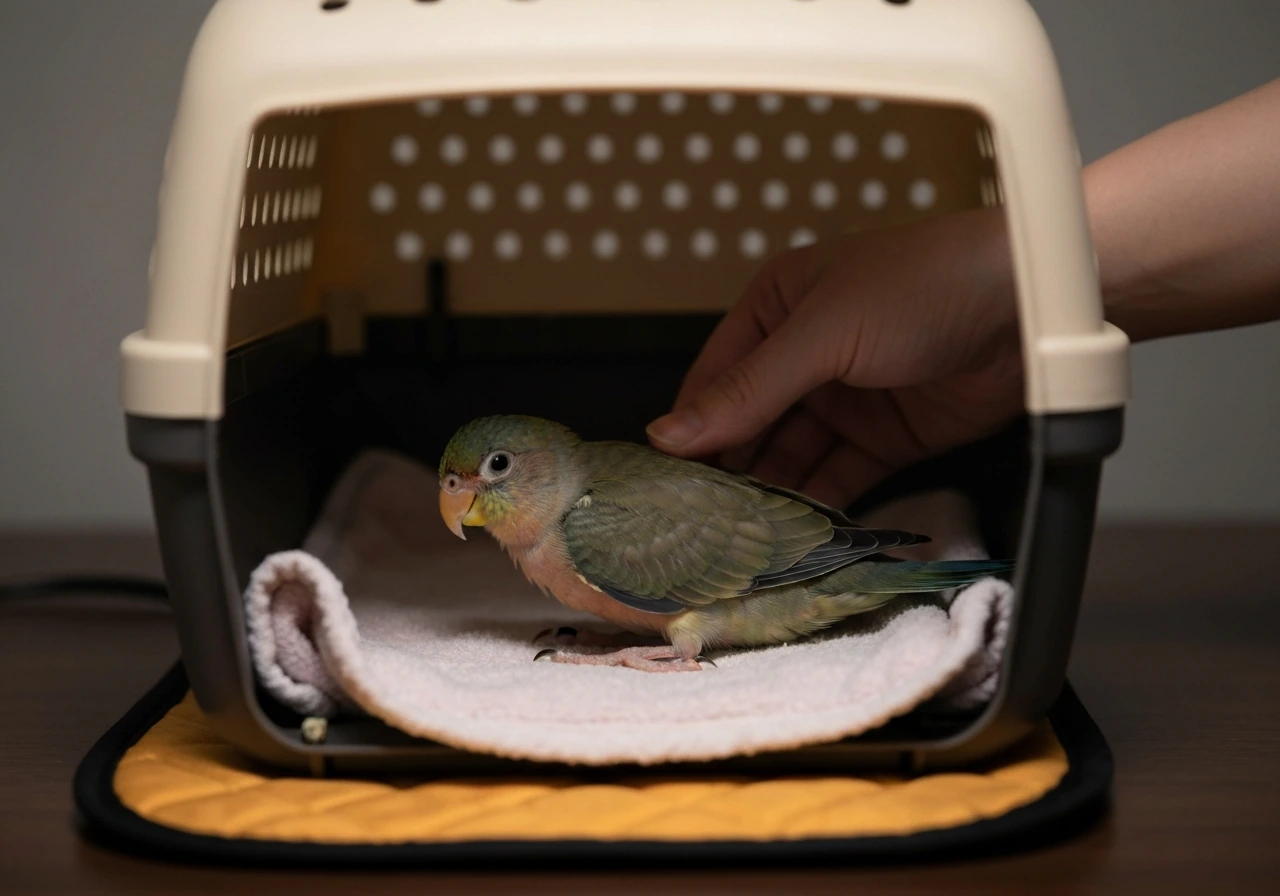
A wild bird in shock will typically look limp, glassy-eyed, and barely responsive. It may be sitting on the ground with its feathers fluffed up, breathing with its beak open, or unable to stand at all. These are serious warning signs, and they mean you need to act quickly but calmly. The most important things you can do right now are get the bird into a warm, dark, quiet container, keep your hands off it as much as possible, and call a licensed wildlife rehabilitator. Don't try to feed it or give it water. Tufts Wildlife Clinic advises keeping the bird in a warm, dark, quiet place and not giving it food or water, because incorrect feeding can cause injury or death from improper diet and unsafe swallowing do not feed it or give it water. That one step alone saves lives.
Wild Bird in Shock Symptoms: What to Check and Do Now

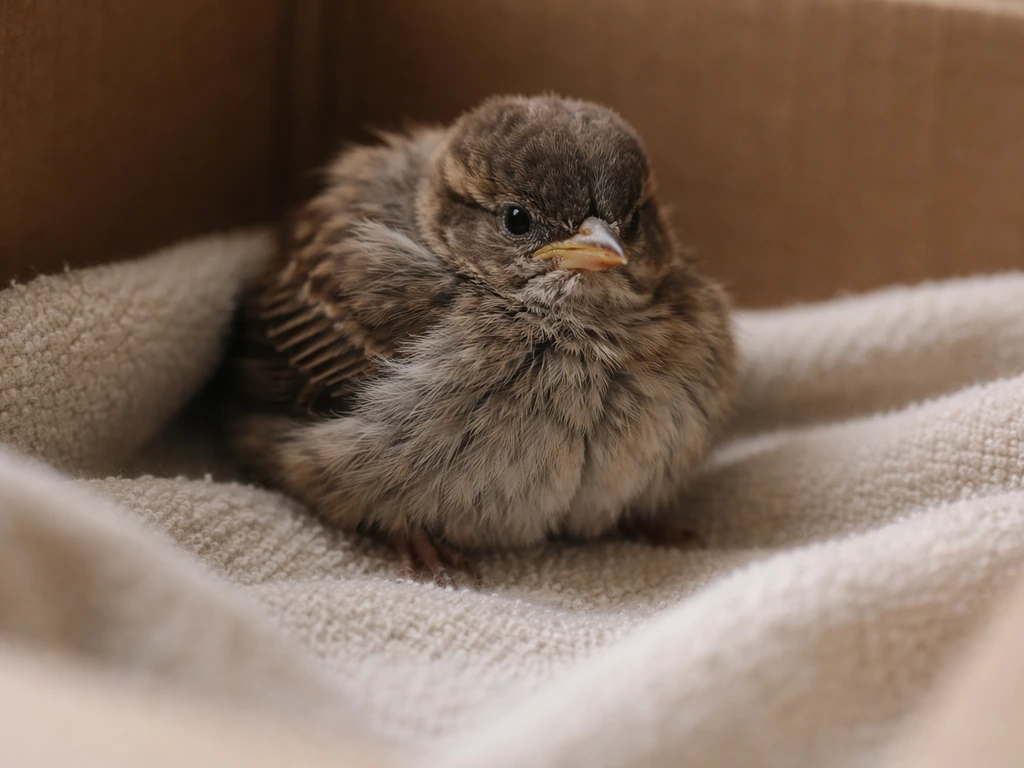
What "shock" actually means in a wild bird
In a medical sense, shock isn't just stress or fright. It's a life-threatening condition where the body's cells stop getting enough oxygen to function. In birds, this can happen through several overlapping mechanisms: the heart isn't pumping enough blood (cardiogenic shock), there's been blood loss (hypovolemic shock), or toxins and infection have disrupted circulation at a metabolic level. More than one type can be happening at once, which is why a bird in shock can deteriorate incredibly fast.
What makes shock so urgent in wild birds is that they are prey animals, hardwired to hide weakness. By the time a wild bird is sitting on the ground in front of you looking dazed and unresponsive, it's usually already in serious trouble. The window for stabilization is short. That's why "treat it as an emergency first, figure out the cause second" is the right approach.
Immediate symptom checklist: what to look for right now
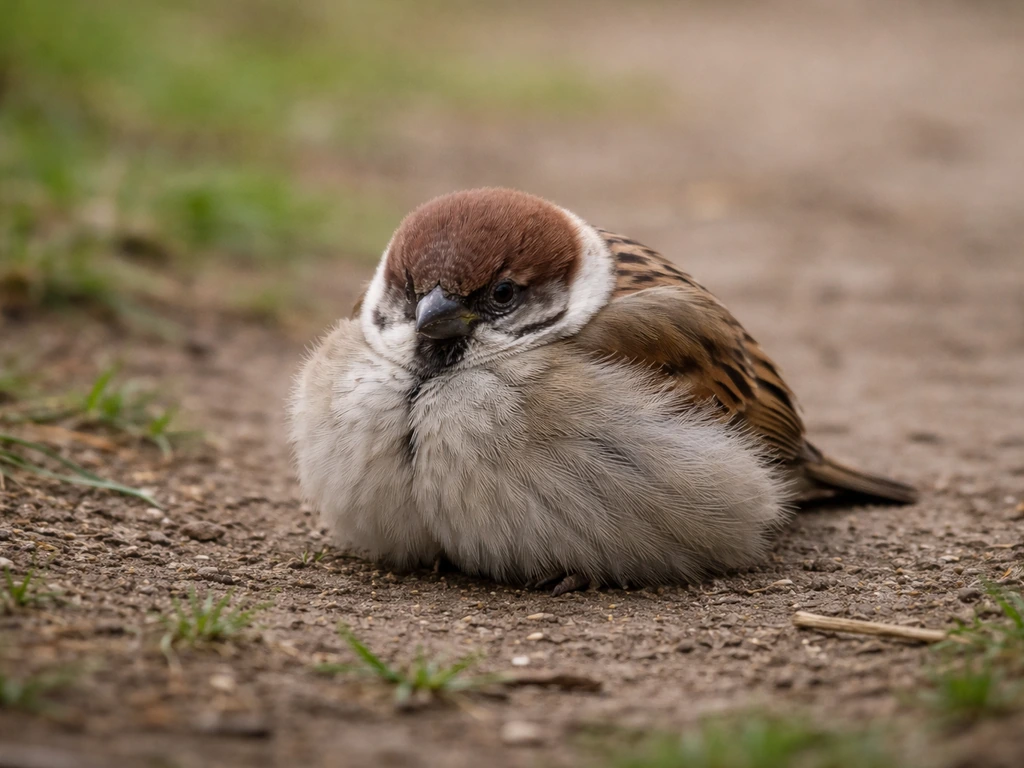
You don't need veterinary training to recognize shock symptoms. Run through this checklist quickly when you find a wild bird that looks unwell.
- Huddled posture with feathers puffed out, often sitting flat on the ground
- Extreme weakness or limpness, unable to stand or grip a surface
- Unresponsiveness or very slow response to nearby movement and sound
- Open-beak breathing or obvious breathing effort (the beak should normally stay closed at rest)
- Tail bobbing up and down with each breath, which signals respiratory distress
- Wheezing, gurgling, or rattling sounds when breathing
- Pale, bluish, or "muddy"-looking mucous membranes inside the beak
- Dry, tacky tissue inside the mouth (a dehydration and shock indicator)
- Eyes closed, partially closed, or sunken-looking
- Body feels cold to the touch
- Visible wounds, blood, broken wings, or dragging legs
- Head tilting or tilting to one side repeatedly (neurological sign)
- No reaction when gently approached within arm's reach
Any one of these signs warrants concern. Multiple signs together mean the bird is in critical condition. A bird that is huddled, weak, unresponsive, or collapsed should be treated as an emergency without waiting to see if it improves on its own. If a dog may have injured the bird, the symptoms after the bite or contact can include breathing trouble, weakness, and shock-like decline, so treat it as an emergency dog ate bird symptoms.
Common causes that lead to shock in wild birds
Understanding what caused the shock helps you assess urgency and gives useful information to pass along to a rehabilitator or vet. Here are the most common real-world causes.
- Window collision: One of the most frequent causes. The bird hits glass at speed and suffers a concussion or internal injury. It may sit dazed for a few minutes or be seriously injured.
- Vehicle strike: Similar to window collision but usually involves greater force and a higher likelihood of internal trauma.
- Predator attack or entanglement: A cat scratch or bite can introduce bacteria directly into the bloodstream; netting or string entanglement causes stress and possible injury.
- Severe temperature exposure: Both heatstroke in summer and hypothermia in cold weather push birds into shock quickly.
- Toxin or pesticide exposure: Poisoned birds often show neurological symptoms alongside shock signs. This overlaps closely with the signs of a poisoned bird.
- Severe infection or illness: Internal infections, respiratory disease, and parasitic overload all degrade circulation over time until the bird collapses.
- Extreme dehydration: A bird that hasn't had water, especially in summer heat, can slide into shock from dehydration alone.
- Internal problems: Egg binding, organ failure, or internal bleeding can cause a bird to go into shock with no visible external injury.
Quick at-home triage: four things to check safely
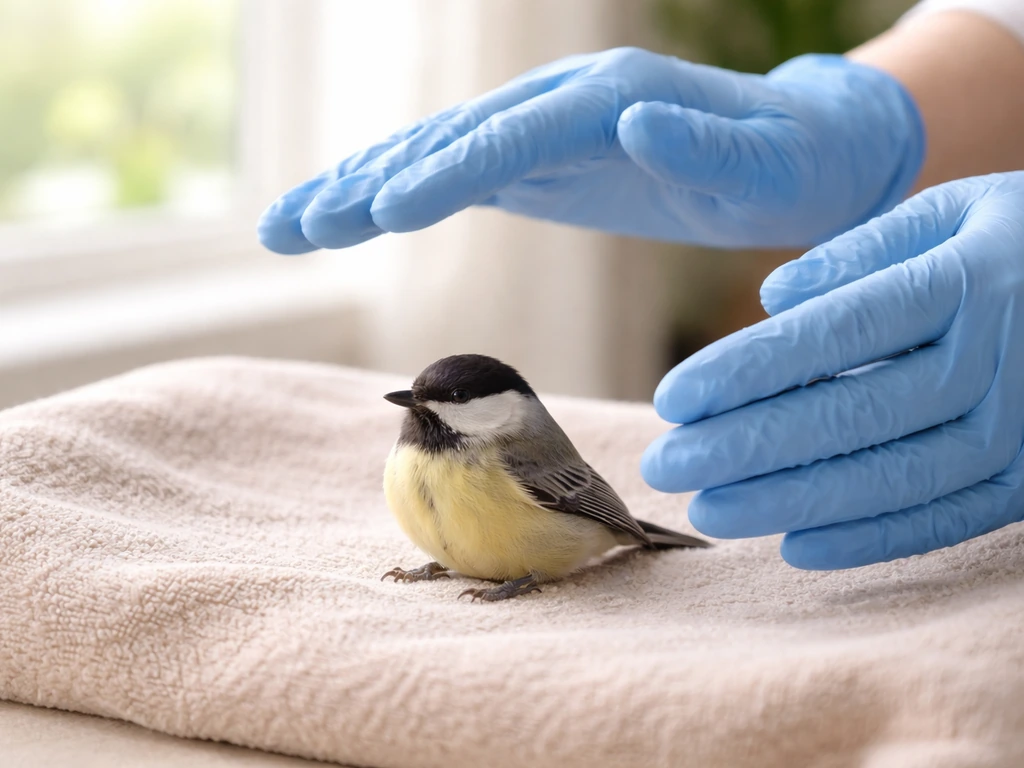
Before you handle the bird, put on gloves. Even a small songbird can carry transmissible diseases, and a stressed bird may bite or scratch. With gloves on, you can do a fast, safe assessment without making things worse.
Breathing
Watch the bird's chest and beak for 15 to 20 seconds without touching it. A healthy bird breathes quietly through a closed beak. Open-beak breathing, tail bobbing, audible wheezing, or exaggerated chest movement are all signs of respiratory distress and need urgent attention. Toxins can also cause a bird to show poisoned bird symptoms such as weakness, breathing trouble, and rapid decline. Air sac rupture can also cause respiratory distress in birds, so the breathing signs listed here should be taken seriously. This is one of the clearest red flags you'll see.
Responsiveness
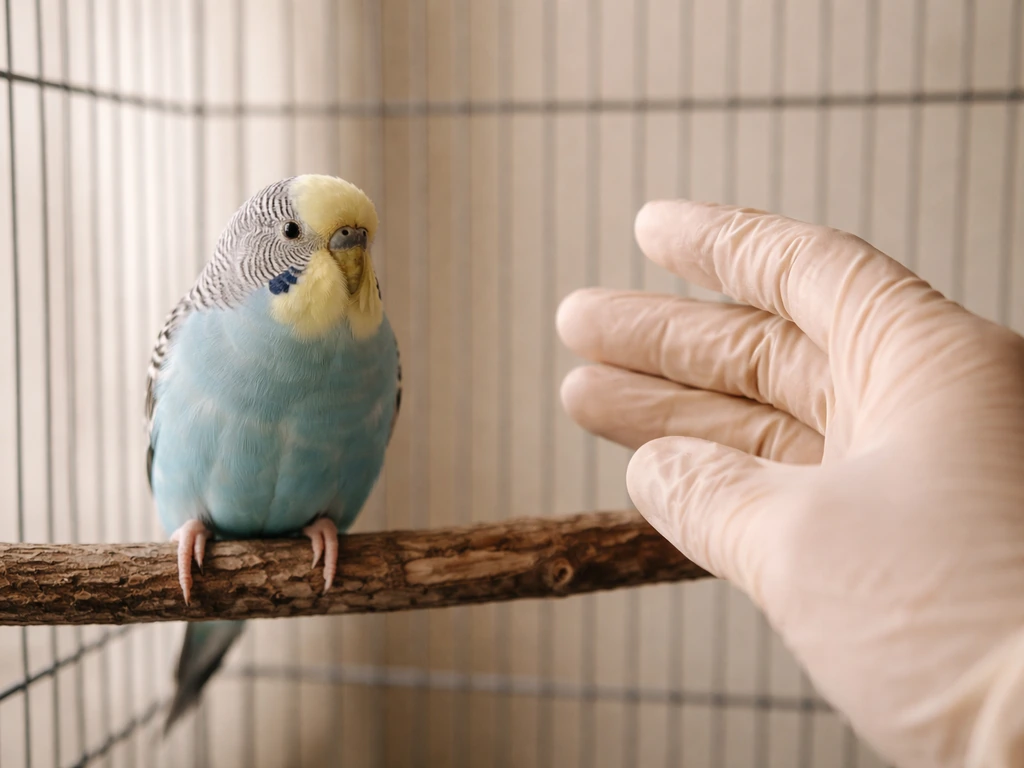
Move your hand slowly within a foot or two of the bird and watch its reaction. A bird in shock may not react at all, or may react very slowly. If it's completely unresponsive, that's a severe sign. If it flaps weakly and then collapses, it's still critical. A bird that hops or tries to fly away is in much better shape.
Hydration
With gloves on, gently open the beak for a brief look at the inside of the mouth. The tissue should look pink and slightly moist. If it looks blank" rel="noopener noreferrer">pale, muddy-colored, or feels dry and tacky to the touch, the bird is likely significantly dehydrated. Dehydrated bird symptoms can include pale or muddy mouth tissue, a dry mouth feel, and longer capillary refill times. In wildlife triage, capillary refill time longer than one second is considered a marker of dehydration above 7 percent, which is serious territory. Don't try to give the bird water yourself at this stage. That step comes only with professional guidance.
Injuries
Do a brief visual scan while handling the bird as little as possible. Look for visible blood, a drooping wing, a leg that's held at an odd angle, or any open wounds. Note what you see but don't try to splint, bandage, or clean wounds yourself. You can cause more harm than good, and a rehabilitator needs to assess those injuries with proper training.
What to do immediately to stabilize the bird
Stabilization is not treatment. It's buying time for the bird until it gets to someone who can actually treat it. The core of stabilization is warmth, darkness, quiet, and minimal handling.
- Get a cardboard box or container with a lid. Line the bottom with a folded towel or paper towels. The box should be large enough for the bird to stand, but not so large it gets tossed around during transport.
- Poke small ventilation holes in the lid or sides, but don't use a wire cage or container where the bird can see out. Darkness reduces panic and stress significantly.
- Pick the bird up gently using both hands with gloves on, fingers loosely cupped around its body, wings held lightly against its sides. Place it in the box upright if possible.
- Warm the box from below if the bird feels cold. A heating pad set to the lowest setting, placed under half the box only, gives the bird the option to move away from the heat. You can also use a hot water bottle wrapped in a towel placed beside the bird. Do not put a heat lamp directly on the bird.
- Place the box in a warm, quiet indoor location away from pets, children, and loud noise. Low light and minimal activity nearby is the goal.
- Do not offer food or water. This is one of the most important rules. A bird in shock cannot safely swallow, and giving it water can cause it to aspirate. Offering the wrong food can also cause serious harm. Even well-meaning attempts to hydrate the bird by squirting water into its beak can be fatal.
- Check on the bird quietly every 15 to 20 minutes by listening for movement, but avoid opening the box repeatedly.
For a window collision bird that seemed stunned but is now moving around inside the box, leave it for up to an hour and then reassess. For many people, stunned bird symptoms like lethargy or inability to fly are the first clue that the bird may be in shock. If it flies away when you open the box outdoors, great. If it's still lethargic, unable to fly, or showing any injury signs, treat it as a serious case and get it to a rehabilitator.
When to call a wildlife rehabilitator or vet right now
In many situations, you should be making that call at the same time you're setting up the box, not after waiting to see how things go. These are the red flags that mean don't wait.
- The bird is completely unresponsive or unconscious
- Open-beak breathing or clearly audible breathing sounds (wheezing, rattling, gurgling)
- Active bleeding that hasn't stopped
- A broken or dangling wing or leg
- The bird was caught by a cat or dog (even without visible injury, cat saliva bacteria are dangerous and the bird needs antibiotics within hours)
- The bird's body is extremely cold and it's not warming up with gentle heat
- No improvement after one hour in a warm, dark, quiet space
- You suspect poisoning (the bird was found near treated areas, rodenticide bait stations, or is having seizures)
To find a licensed wildlife rehabilitator near you, search your state's fish and wildlife agency website, contact a local Audubon chapter, or call your nearest wildlife veterinary clinic. In the US, handling most wild birds requires a federal permit, so the goal is always to get the bird to a licensed professional as quickly as possible rather than caring for it yourself. The rehabilitator may also guide you on whether it's safe to transport the bird or whether they can come to you.
A note on timing: shock progresses fast. A bird that looks "okay enough" can decline sharply within 30 to 60 minutes. If you're unsure whether to call, call anyway. Wildlife rehabilitators expect and welcome these calls and can help you assess severity over the phone.
Safety, transport, and what happens next
Protecting yourself
Always wear disposable gloves when handling a wild bird. After you've secured the bird and washed your hands thoroughly with soap and water, keep others (especially children) away from the box. Wild birds can carry salmonella, avian influenza, Newcastle disease, and other pathogens. Inhalation of contaminated droppings or contact with bodily fluids are the main transmission risks. Clean any surfaces the bird contacted and dispose of gloves carefully.
Transporting the bird safely
Keep the box dark, stable, and quiet during transport. Put it on the car seat rather than the trunk floor where it can get jostled, and don't put it near a direct vent. Avoid talking loudly or playing music in the car. Temperature in the vehicle should be comfortable for a person, which is generally the right range for the bird too. Do not open the box to check on the bird while driving.
Reducing risks in your yard going forward
If you found this bird after a window collision, that window will likely strike more birds in the future. Applying window collision tape, external screens, or angled glass film to the outside of the glass is the most effective prevention. Placing feeders either within 3 feet of a window (so birds don't build up dangerous speed before impact) or more than 30 feet away are the two strategies that work.
Other yard risk reductions worth considering: keep cats indoors or supervised when outdoors, avoid using rodenticides that birds can ingest secondhand, and be careful with garden netting that birds can become entangled in. If you're using pesticides, follow label instructions carefully since birds can be directly poisoned or lose their insect food supply.
Recognizing early warning signs before a bird crashes
Shock is often the end stage of a problem that was brewing for a while. A bird that's sick, dehydrated, or injured will usually show subtler signs before it collapses: slight fluffing of feathers, less active than usual, sitting lower on a branch, or staying on the ground when it should fly away at your approach. If you're a regular bird watcher or have feeders in your yard, these early behavioral shifts are worth paying attention to. Getting a bird to a rehabilitator at that stage gives it far better odds than waiting until it's in full shock.
FAQ
What should I do if the bird is breathing but seems weak or unresponsive, is that still shock?
Yes, treat it as a possible shock case even if breathing continues. Birds can maintain weak breathing while circulation is failing, and they can worsen quickly. Keep the bird warm and dark, minimize handling, and contact a licensed wildlife rehabilitator immediately.
How can I tell the difference between shock and simple “stunned” after a window collision?
Shock signs include limp or collapsed posture, glassy or unfocused eyes, very slow or absent response, and open-beak breathing. After a collision, you can reassess briefly if the bird is upright and moving, but if it cannot fly normally, stays very lethargic, or shows any breathing trouble or injury, contact a rehabilitator instead of waiting it out.
Is it okay to offer water or wet food to a wild bird in shock if it looks thirsty?
No. Avoid feeding or giving water during stabilization unless a rehabilitator specifically instructs you. Fluids can increase aspiration risk if the bird is having breathing trouble, and delayed treatment is dangerous. Warmth, quiet, darkness, and professional guidance come first.
Should I give CPR or try to revive a bird that won’t respond?
Do not attempt CPR, mouth-to-beak actions, or forceful breathing. For unresponsive birds, focus on safe warmth and dark containment, then contact a licensed wildlife professional right away. Incorrect attempts can worsen injuries or aspiration.
What container is safest for a wild bird showing shock symptoms?
Use a breathable, ventilated container that is dark and stable, with minimal headroom so it feels secure. Avoid clear containers (light stress), wire cages that allow wing entanglement, and anything that can tip. Line the bottom lightly if needed for grip, but do not add food or water.
How warm should the container be, and how do I avoid overheating?
Warm the bird indirectly and gently, aiming for a comfortably warm resting area rather than heat exposure. Avoid hot water bottles or direct contact heating that can burn or cause uneven temperatures. Rehabilitators often prefer a controlled warmth setup, so ask them what temperature range to target for that species.
Is it safe to leave the bird alone for a short time while I call for help?
Yes, for a short period, but do not delay long enough to watch it “turn around.” A bird can decline within 30 to 60 minutes. If you are calling, keep the bird in the warm, dark, quiet container and keep handling to a minimum while you make the call.
What if there are other injuries, like a wing droop or a visible wound, does that change what I should do?
Still treat it as an emergency. Note the injury and keep the bird from moving as much as possible, but do not splint, bandage, or clean wounds yourself. Visible blood and abnormal limb positioning are serious, and a rehabilitator can assess pain, bleeding control needs, and whether stabilization should prioritize breathing, shock, or trauma.
Can I transport the bird in my lap or hold it while driving?
No. Keep the bird inside the dark container during transport to reduce stress and movement. Put the container on a stable surface like the car seat, avoid jostling, and do not open it while driving. If you must keep control, keep your hands off the bird itself and secure the container instead.
What hygiene steps matter most after handling a bird in shock?
Wear disposable gloves, wash hands thoroughly with soap and water afterward, and prevent contact from others, especially children. Clean any surfaces the bird or its droppings contacted, and dispose of gloves carefully. Even when you avoid bites or scratches, pathogens can spread through droppings and bodily fluids.
If my neighbor finds a bird in shock, what should I tell them to do first?
Tell them to treat it as an emergency, put it in a warm, dark, quiet container, minimize handling, and avoid feeding or watering. Stress the importance of calling a licensed wildlife rehabilitator or wildlife veterinary clinic promptly, and that the decision to transport safely can be guided by the professional over the phone.
Do all species respond the same way to shock, or should I be concerned if it’s a small songbird?
Small birds can be even less tolerant of delays. Regardless of species, limp posture, abnormal breathing, and poor responsiveness are critical red flags. The only species-specific adjustment is containment and warmth setup, since rehab guidance may vary by bird type and local rules.
Should I still call a rehabilitator if the bird looks like it might recover on its own?
Yes. “Maybe it will be fine” can be misleading because prey animals hide weakness. If there are any shock indicators like open-beak breathing, collapse, or profound lethargy, contact the rehabilitator immediately and follow their instructions on whether to transport or wait briefly.
Dying Bird Symptoms: Checklist and What to Do Right Now
Dying bird symptoms checklist, urgent signs, and step-by-step action for pet or wild birds right now.