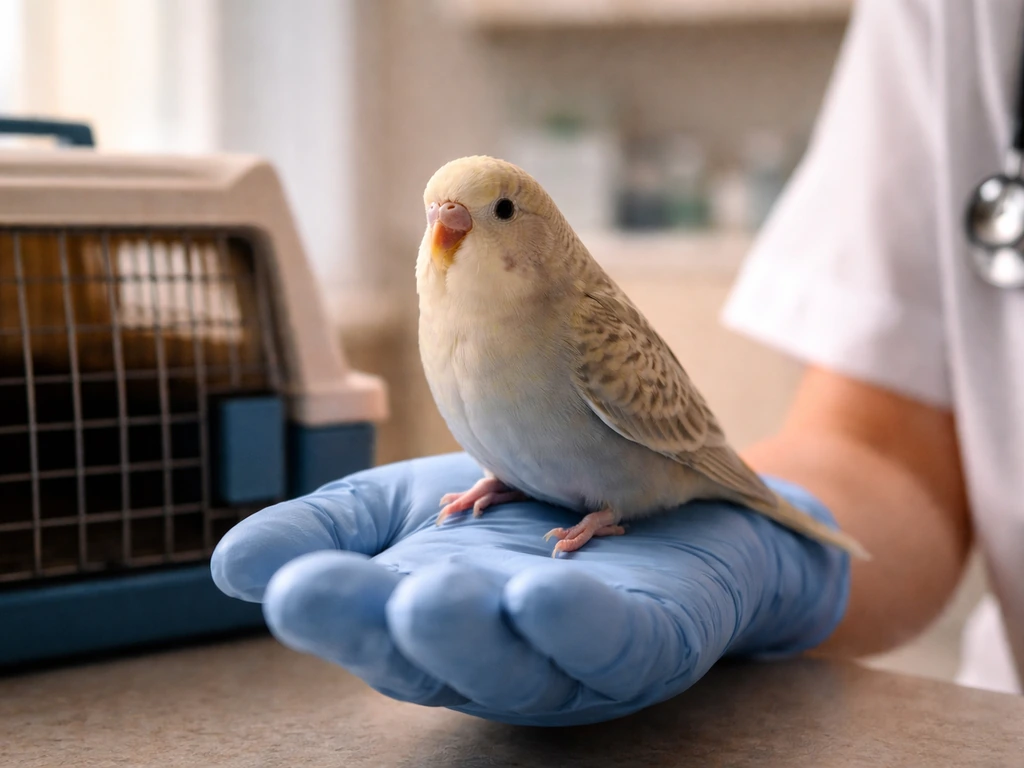
For most bird owners right now, the honest answer is: probably not fully over. Avian influenza and other common bird illnesses are tracked on a rolling basis, not declared finished on a single date. If you are wondering what a bird virus is in everyday terms, many outbreaks fall under avian influenza and other contagious infections that spread among birds.
Is the Bird Disease Over? How to Tell and What to Do Now

Marcus Webb
8 Jun 2026
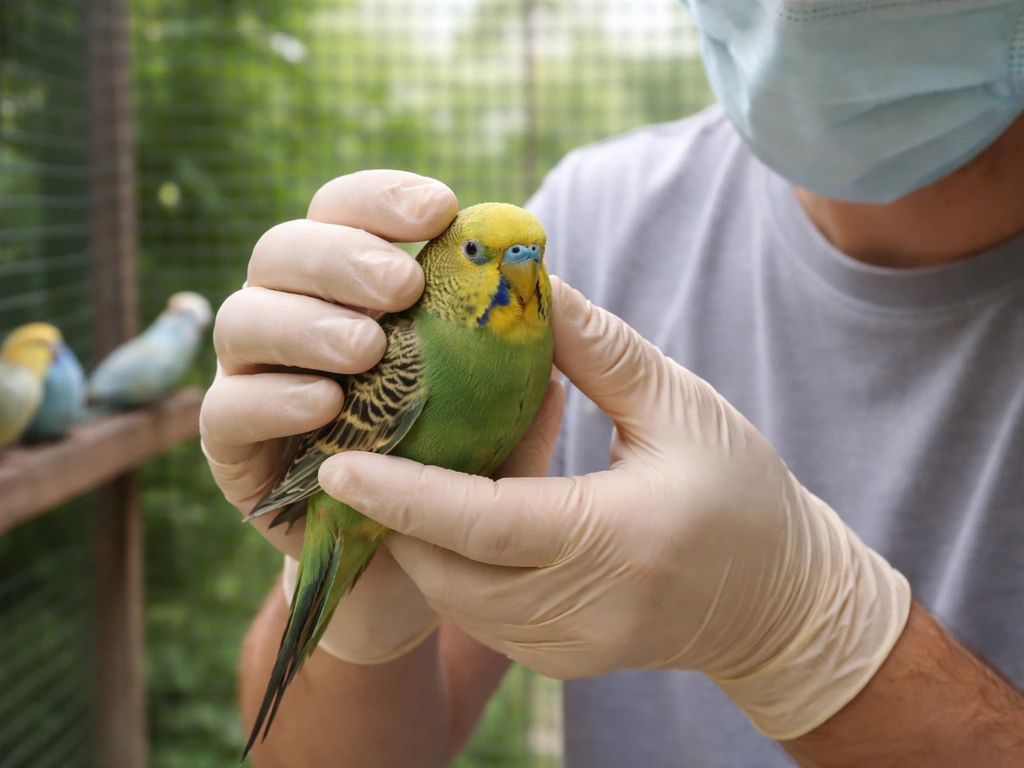
Whether the risk has passed for your specific birds depends on three things: what the current outbreak status looks like in your area, whether your birds are showing any symptoms, and how recently they had any potential exposure. This guide walks you through all three so you can make a real decision today, not just wait and hope.
If you are also wondering why people call this “bird fever,” that name is a bit of a historical label rather than a specific disease diagnosis.
What 'over' really means for bird illnesses
Public health agencies like the CDC are clear that an outbreak is only declared over when investigators stop seeing new cases after several weeks, and even then there is often a reporting lag where new cases existed but hadn't been confirmed yet. For bird diseases, that lag is especially relevant because animal health professionals must report confirmed cases to USDA APHIS and state officials, so the official numbers always trail reality by some amount.
There is also no single moment when a bird disease switches off. Avian influenza, psittacosis, Newcastle disease, and similar illnesses can resurface through wild birds, new flock introductions, or contaminated equipment. USDA APHIS explicitly notes that wild birds can carry avian influenza without appearing sick, which means no visible dead or ill birds in your yard is not the same as no risk.
Hummingbirds, like other wild birds, can be exposed to bird diseases, so keep feeders clean and watch for illness after outbreaks in your area wild birds can carry avian influenza without appearing sick. So when you ask 'is it over,' what you really need to ask is: 'is there still active transmission happening near me, and are my birds currently protected?
' If you are wondering about a completely different rumor, you can also look into whether the fever bird is real.
How to check current outbreak status in your area
The most reliable place to check right now is the USDA APHIS confirmed detections page, which is updated to reflect cases confirmed in the last 30 days and gives you the clearest current picture of where avian influenza is actively hitting commercial and backyard flocks. For wild birds, the US Fish and Wildlife Service tracks mortality events separately, and your state wildlife management agency is the right contact for local reports.
For diseases beyond avian influenza, your state's department of agriculture or state veterinarian office is the fastest source of local information. USDA APHIS maintains a broader avian influenza response hub with ongoing surveillance materials, but for something like psittacosis or bordetellosis in pet birds, your state avian vet network or local bird club will often surface case clusters faster than federal databases do.
- USDA APHIS confirmed detections page: updated rolling 30-day window for avian influenza in commercial and backyard flocks
- Your state department of agriculture or state veterinarian: fastest source for local outbreak notices
- US Fish and Wildlife Service and your state wildlife management agency: wild bird mortality reports and area advisories
- Your avian vet or a local bird club: often the earliest warning for pet bird disease clusters in your region
- CDC bird flu page: broader situational context and human exposure guidance if you have had direct contact with sick birds
Symptom checklist: signs it's still active in your birds

If your birds are showing any of the following signs right now, the disease is not over for your flock regardless of what the regional status looks like. These warning signs are pulled from USDA's Defend the Flock guidance and clinical descriptions across the most common avian illnesses:
- Trouble breathing, open-mouth breathing, or labored respiration
- Sneezing, coughing, or wheezing (tracheal rales)
- Watery, foamy, or mucus-like discharge from eyes or nose
- Swollen infraorbital sinuses (puffy areas around the eyes)
- Ruffled feathers combined with lethargy or low energy
- Loss of appetite or dramatically reduced food and water intake
- Decreased egg production in laying birds
- Neurological signs: tremors, twisted neck (torticollis), loss of balance or coordination
- Sudden unexplained death in one or more birds in the flock
- Wet or unusually watery droppings, or increased drinking paired with lethargy
Keep in mind that the severity varies a lot depending on the specific disease and the individual bird. Low-pathogenic avian influenza may produce only mild sneezing, while high-pathogenic strains can cause rapid death with minimal warning. Psittacosis, which affects parrots and other cage birds, tends to show up as ruffled feathers, eye discharge, decreased vocalizing, and labored breathing. Newcastle disease can add neurological signs like tremors and balance problems on top of the respiratory picture. If you are seeing any combination from this list, treat it as active until a vet says otherwise.
Risk assessment: exposure, timing, and which birds are most vulnerable
Timing matters more than most people realize. The incubation period for avian diseases varies significantly: psittacosis can take anywhere from 3 days to several weeks to produce visible symptoms, and bordetellosis typically shows signs about 7 to 10 days after infection. This means a bird that looks perfectly healthy today could still be incubating something if there was an exposure within the past few weeks. If you are wondering what a fever bird looks like or why temperature changes matter, look for symptoms and act early even before illness becomes obvious incubating something. The absence of symptoms right now is not a clean all-clear.
Think through recent exposures honestly. Did any new birds enter your space in the last month? Did your birds have contact with wild birds or share water sources? Did you visit another flock, a bird show, or a feed store and then handle your birds without changing clothes? All of these are real transmission pathways. Avian influenza spreads through respiratory droplets, aerosols, and contact with contaminated surfaces like feeders, waterers, and bedding.
Some birds carry higher risk than others. Backyard poultry (chickens, ducks, turkeys, geese) that have outdoor access and contact with wild waterfowl face the highest ongoing exposure risk for avian influenza. Parrots and other psittacines are the primary concern for psittacosis. Chickens and pigeons are most vulnerable to Newcastle disease. Younger birds and immunocompromised birds of any species tend to develop more severe illness than healthy adults.
Immediate steps if you suspect it's not over
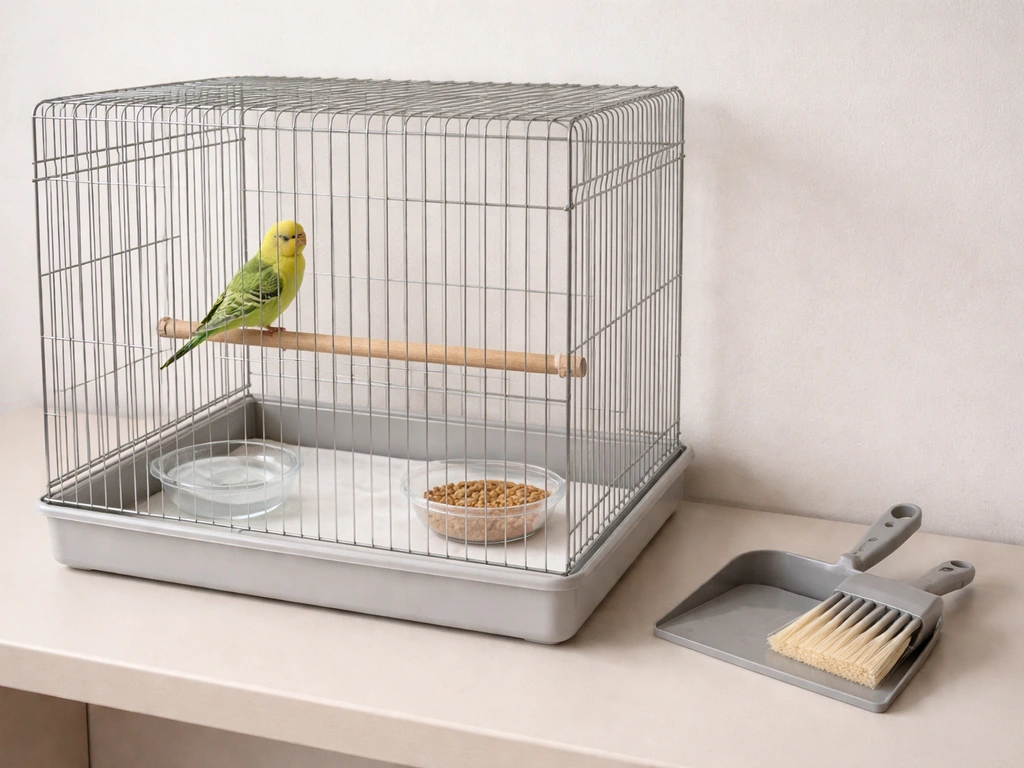
If you have sick birds or recent suspicious exposure, move quickly. Do not wait for a vet appointment to start protecting the rest of your flock.
- Isolate any bird showing symptoms immediately. Move it to a separate space with its own food, water, and equipment. Do not share anything between the sick bird and healthy birds.
- Put on personal protective equipment before handling sick birds or cleaning their area. This means gloves at minimum, and a mask and eye protection if you are dealing with respiratory symptoms or suspected avian influenza.
- Stop bringing new birds in until the situation is resolved. Do not move birds between your space and any other flock.
- Clean visible dirt and organic matter from surfaces first using soap and water, then follow with an EPA-registered disinfectant that specifically lists influenza A viruses on its label. General-purpose cleaners are not enough.
- Limit your birds' contact with wild birds. Remove outdoor feeders temporarily, cover water sources, and restrict free-range access if you have a flock.
- Report sick birds. If you have backyard poultry and suspect avian influenza or another reportable disease, contact your state veterinarian or USDA's toll-free line. For wild bird deaths, contact your state wildlife management agency immediately.
- Wash your hands thoroughly with soap and water after any contact with sick birds, their droppings, or contaminated equipment. Do not touch your eyes, nose, or mouth before washing.
When to call an avian vet and what to prepare
Call an avian vet the same day if any bird is showing breathing difficulty, neurological signs, or if multiple birds in your flock are ill at the same time. A single sick bird with mild symptoms still warrants a call within 24 hours, not a wait-and-see approach. Merck's veterinary guidance is direct on this: birds with breathing problems should be separated and examined quickly.
When you call, the vet will get you further faster if you come prepared. Have this information ready:
- Exact timeline: when you first noticed symptoms, how quickly they progressed, and whether any birds have died
- Recent exposure history: new birds added, contact with wild birds, visits to other flocks, feed or equipment from outside sources
- Photos or short video of the symptoms, especially if breathing changes or neurological signs are present
- Your bird's species, age, and any prior health issues or vaccination history
- Any environmental changes in the past few weeks: new bedding, cleaning products, air quality changes, temperature extremes
- Lab or test results if any were previously done
- A count of how many birds are affected versus healthy in your flock
If you have had direct physical contact with sick birds yourself and feel unwell, the CDC recommends contacting your health department. CDC also advises that people potentially exposed to avian influenza should get prompt medical evaluation and testing based on their health department’s instructions, and clinicians may prescribe antivirals when infection is suspected CDC recommends contacting your health department. The connection between bird illness and human risk is real for diseases like avian influenza and psittacosis, so do not ignore your own symptoms while focusing on your birds.
Preventing re-infection and protecting remaining birds
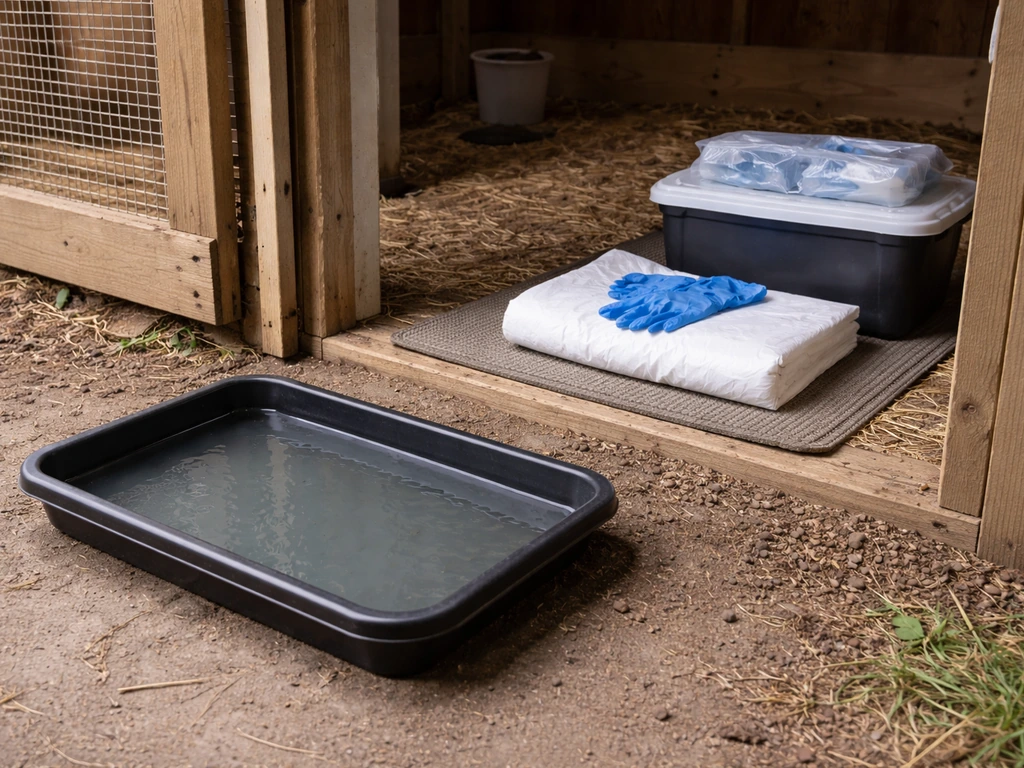
Once the immediate crisis is under control, the work is not done. Reintroduction is one of the most common reasons bird owners end up back in the same situation a month later. The most important single step you can take is a strict quarantine protocol for any new bird: 30 days minimum in a completely separate space, with no shared air, equipment, or contact with your existing flock.
For ongoing biosecurity, the practical habits that make the biggest difference are cleaning and disinfecting feeders, waterers, and housing regularly (not just after a visible problem), changing clothes and washing hands before and after working with your birds, and keeping records of which birds came from where. USDA's Defend the Flock program has detailed resources on this if you want to go further.
Wild bird contact is the hardest risk to eliminate entirely, especially for outdoor flocks. Practical steps include netting or covered runs, moving feeders away from poultry areas, and monitoring the USDA APHIS detections page during migratory seasons when wild waterfowl spread increases. During active outbreak periods in your region, bringing free-range birds indoors is genuinely worth the disruption.
The topic of what specific diseases are currently circulating is worth staying current on, since 'bird disease' can refer to very different threats depending on the season, your location, and your bird species. Conditions like avian influenza, psittacosis, Newcastle disease, and infectious bronchitis all produce overlapping respiratory symptoms but require different responses. Keeping yourself informed about what is actually going around right now, rather than relying on a single update from months ago, is probably the most underrated part of keeping your birds safe long-term.
FAQ
If officials say a bird outbreak is “over,” does that mean my backyard is safe right now?
No single calendar date exists, because surveillance is rolling and investigations can take weeks. Instead of waiting, confirm two things for your situation, there is no new local confirmation within your relevant timeframe, and your birds have had no plausible exposure during the incubation window for the main diseases you worry about.
What if I have no dead wild birds in my yard, is the risk really gone?
Not seeing sick or dead wild birds does not equal zero risk, since some infections can be carried without obvious illness. If wild birds are visiting your area, treat feeders, water, and housing as potentially contaminated even when the yard looks normal.
When symptoms stop, how long should I keep taking outbreak precautions?
You should not fully relax biosecurity after a gap in symptoms. Even when conditions stabilize, reintroduction is common, many owners accidentally reintroduce pathogens through shared equipment, used bedding, or handling order. Keep disinfecting routines going and isolate any newcomer for the full minimum quarantine period before merging them with the flock.
A bird looked healthy after an exposure, when should I start worrying?
Incubation timing varies by disease, and symptoms can lag exposure by days to weeks. A practical approach is to consider your highest-risk exposure day as day zero, then watch closely through the longest incubation window relevant to your bird type (for example, psittacosis can take several weeks).
What symptoms are minor but still not worth waiting on?
Slight changes can matter, especially early. If you notice decreased vocalizing, eye discharge, labored breathing, tremors, or a pattern where multiple birds change within a short window, contact an avian vet within 24 hours rather than waiting for it to “prove itself.”
Does the answer change depending on whether I keep chickens, parrots, or pigeons?
“Over” also depends on what kind of bird you keep. Backyard poultry have higher ongoing exposure risk from wild waterfowl contact, while parrots and other psittacines are the main group of concern for psittacosis, and chickens and pigeons are often the focus for Newcastle disease.
If only one bird gets sick, does that mean it is not a contagious disease?
If multiple birds are ill at the same time, that pattern strongly suggests a shared source or ongoing transmission, so treat it as active until evaluated. Also watch for shared water or shared feeders, those are common “single source” pathways.
Can I handle this with basic home testing instead of an avian vet?
Do not assume home tests or general pet tests are sufficient for bird-specific infections. For respiratory and neurological signs, use an avian vet for appropriate diagnostics, because overlapping symptoms can lead to missed opportunities if you guess.
What should I do immediately if I feel sick after handling birds?
Call a professional promptly, especially for breathing difficulty or neurological signs, and separate affected birds in the meantime to reduce spread. If you handled birds and feel unwell yourself, contact your health department rather than focusing only on the flock.
What counts as “quarantine” if I have limited space?
Quarantine should be a real separation, not just a different cage in the same room. Use a separate space with no shared equipment or contact, and keep strict order of handling, clean first and handle the new or quarantined birds last.
How should I disinfect without making things worse or missing the important surfaces?
Disinfectants matter because some organisms persist on surfaces and in organic material. Focus on high-touch items first (feeders, waterers, bedding, and any tools used on birds), and clean before disinfecting so the disinfectant can work effectively.
What are the most practical steps if I cannot completely stop wild-bird contact?
For wild-bird prevention during high-risk seasons, covered runs, netting, and moving feeders away from areas where poultry congregate can reduce contact. It is also helpful to monitor the appropriate detections source during migration periods rather than only checking once per month.
Next Article
Why Was Bird Fever Named So? Meaning and What It Refers To
Learn why bird fever got its name, what it usually means, and how to spot symptoms and get proper avian vet help.