"Bird fever" is not a single, official disease name. It is a loose, everyday label that most commonly points to avian chlamydiosis (also called psittacosis or parrot fever), but it can also be used to mean avian influenza (bird flu) or just a general feverish illness in a bird. The name stuck because birds with these infections look feverish: they fluff their feathers, become lethargic, and stop eating, which mirrors the classic signs of fever in mammals. Because the term is so vague, the most useful thing you can do is look past the label and focus on the specific symptoms in front of you.
Why Was Bird Fever Named So? Meaning and What It Refers To

Marcus Webb
4 Jun 2026
What "bird fever" usually means (and why the name is vague)

In veterinary and avian health circles, "bird fever" is recognized as a non-specific term rather than a clinical diagnosis. It does not appear in the way that "avian influenza" or "avian chlamydiosis" does in formal literature. What it describes is a cluster of illness signs that look feverish: fluffed feathers, hunched posture, loss of appetite, and lethargy. The problem is that this cluster can fit a dozen different conditions, so relying on the name alone tells you almost nothing about what is actually going on or how serious it is.
The vagueness is compounded by the fact that birds cannot be easily observed running a temperature the way a dog or cat can. You cannot put a thermometer under a bird's wing at home and get a reliable reading. So owners and even casual observers started using "fever" as shorthand for "my bird looks sick in that hot, listless, infected kind of way," and the label spread from there.
How the term likely got its name in everyday avian talk
The phrase almost certainly borrowed its logic from "parrot fever," which is one of several lay names for psittacosis (avian chlamydiosis). Psittacosis in humans causes actual fever, and historically this was one of the most attention-grabbing zoonotic illnesses associated with pet birds. The human disease was called parrot fever because parrots were common carriers, and the word "fever" in the name referred to the human symptom, not a fever in the bird itself.
Over time, the "fever" language drifted back onto the birds. People started calling chlamydiosis in birds "bird fever" as an informal shorthand, especially once the term blurred together with "bird flu" coverage in the media. Each wave of avian influenza news reinforced a vague "birds plus fever" mental link in everyday conversation. The result is a term that travels easily between diseases, species, and contexts, which is exactly what makes it unreliable.
Common confusion: what "bird fever" may actually refer to
When someone says their bird has "bird fever," there are a few quite different conditions they might actually mean. Understanding which one is in play changes everything about how you respond.
| Condition | Common lay names | Main hosts affected | Zoonotic risk |
|---|---|---|---|
| Avian chlamydiosis (Chlamydia psittaci) | Parrot fever, psittacosis, ornithosis, bird fever | Parrots, pigeons, poultry, many species | Yes, reportable in many states |
| Avian influenza (influenza A virus) | Bird flu, bird fever | Domestic poultry, wild birds, occasional pets | Yes, rare but serious |
| Non-specific respiratory/systemic illness | Bird fever, sick bird | Any bird species | Varies by underlying cause |
Avian chlamydiosis can be inapparent (subclinical), or it can cause acute, subacute, or chronic illness with respiratory, digestive, or systemic signs. The bacteria are shed in oral and respiratory secretions, dried feces, and nasal discharge, which means handling a sick bird or cleaning its cage without protection carries real risk to you and anyone else in the home.
Avian influenza, on the other hand, is a contagious viral disease that spreads through direct contact with mucus, saliva, and droppings from infected birds. Both conditions can make a bird look "feverish" in the loose sense, but the management, reporting requirements, and human health implications are quite different. What is bird virus? It is often used as a lay phrase for illnesses in birds caused by viruses, such as avian influenza (bird flu).
Symptoms to check in birds when someone suspects "bird fever"
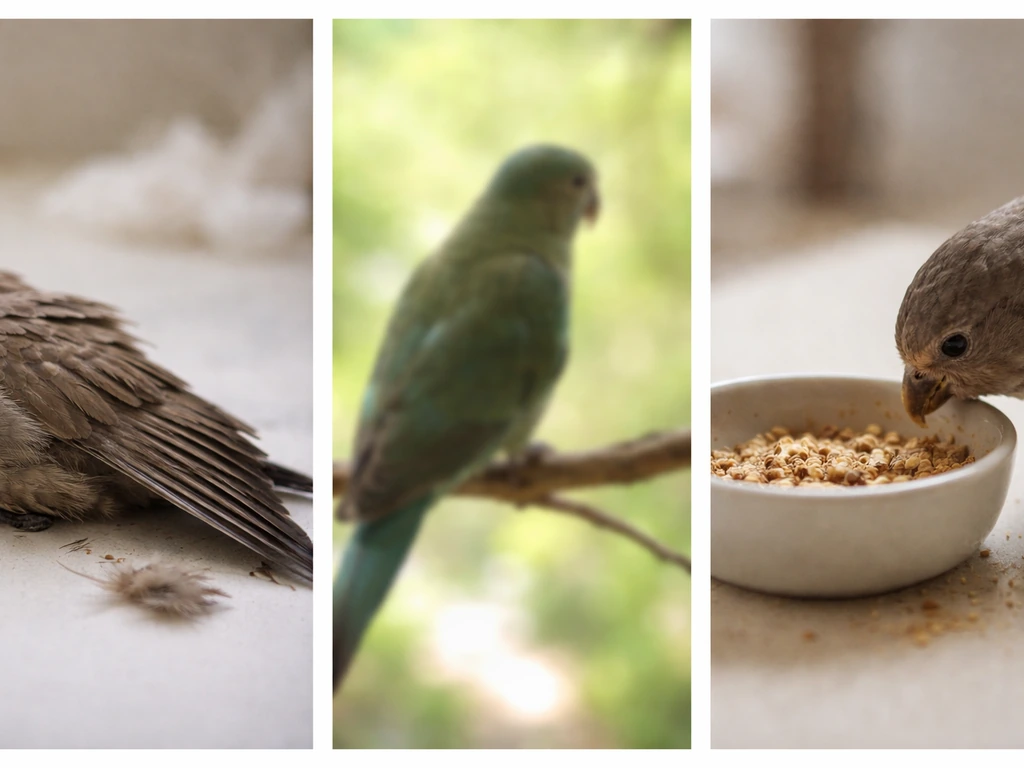
Rather than diagnosing by name, focus on what you can actually observe. The following signs, particularly when several appear together, suggest something serious is going on and that a vet visit is warranted.
- Fluffed or ruffled feathers combined with a hunched posture (the bird looks like it is trying to stay warm)
- Lethargy or unusual stillness, the bird is not engaging with its surroundings the way it normally does
- Open-mouth breathing or visible effort to breathe, including tail bobbing with each breath
- Increased respiratory rate or any wheezing, clicking, or rattling sounds when breathing
- Ocular or nasal discharge (watery or mucoid discharge from the eyes or nostrils)
- Conjunctivitis or facial/periocular swelling
- Loss of appetite or significant drop in food and water intake
- Diarrhea or unusual droppings (color, consistency, or volume change)
- Sudden death in one or more birds in a flock or aviary setting
Respiratory signs deserve special attention. Open-mouth breathing, tail bobbing, and increased respiratory rate are not normal in birds and should be treated as urgent. A bird in visible respiratory distress can deteriorate quickly, and this is not a situation where you want to take a wait-and-see approach.
When to seek avian veterinary care (and how urgently)
If you see open-mouth breathing, tail bobbing, or any obvious difficulty breathing, treat it as an emergency and contact an avian vet or emergency animal hospital right now. Birds compensate for illness until they cannot, and by the time you can see them struggling to breathe, the situation is usually serious.
For birds that are blank" rel="noopener noreferrer">lethargic, fluffed up, or showing nasal discharge but are still breathing normally, schedule a vet appointment for the same day if possible, and within 24 hours at most. Do not wait it out hoping the bird improves on its own, especially if you have multiple birds, because the conditions most commonly linked to "bird fever" (chlamydiosis and avian influenza) can spread rapidly through a flock. For the latest on bird disease, focus on how these specific conditions are diagnosed, monitored, and treated chlamydiosis and avian influenza.
If you keep poultry and you are seeing unusual deaths or respiratory illness across several birds at once, many states have a Sick Bird Hotline or state animal health official you can call in addition to (or while arranging) a vet visit. Avian influenza in particular has federal and state reporting requirements, and USDA APHIS supports containment and surveillance when suspicious illness is reported.
What to do while you are arranging care
While you are getting the vet visit arranged, there are a few practical steps that limit harm to your bird and reduce your own exposure risk.
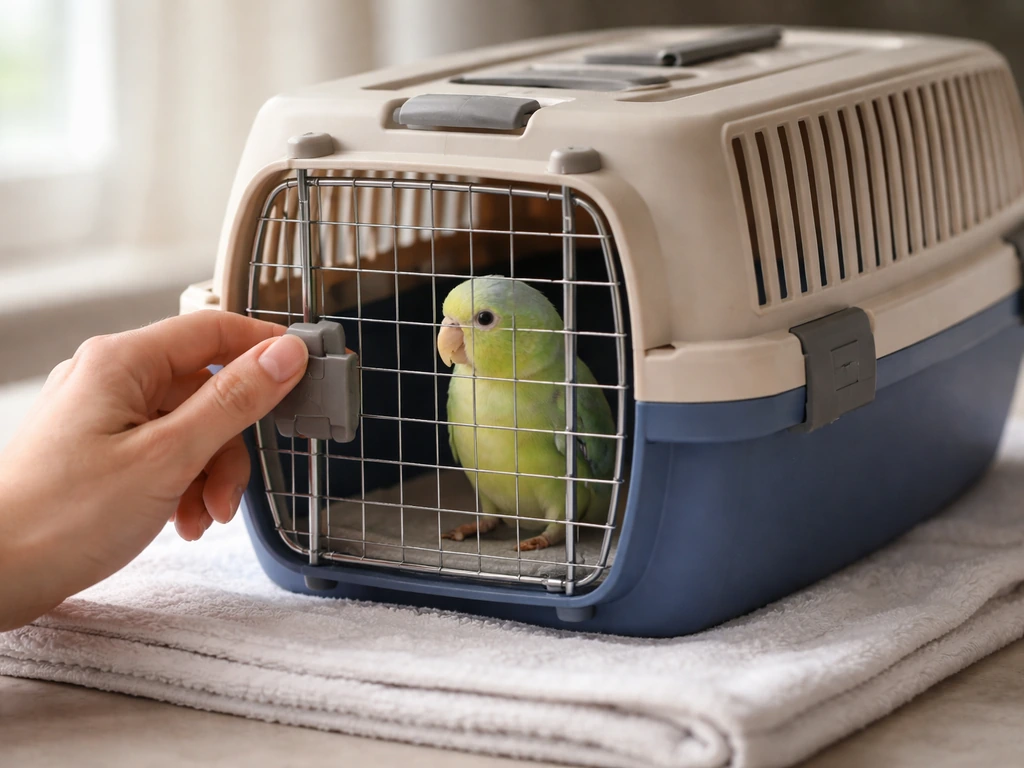
- Isolate the sick bird immediately. Move it away from other birds to a separate room or cage to reduce the chance of spreading infection. Even a cardboard travel carrier with ventilation holes works in a pinch.
- Keep the bird warm. A sick bird loses heat faster than a healthy one. A temperature around 85-90 degrees Fahrenheit in the immediate environment is often recommended as supportive warmth, but avoid overheating. A heating pad on the lowest setting placed under half the cage (so the bird can move away if needed) is a common approach.
- Do not withhold food or water. Offer the bird its normal food and fresh water. You are not preparing it for surgery, and hydration matters.
- Wear gloves and a mask when cleaning the cage or handling the bird. If chlamydiosis or avian influenza is possible, dried feces and respiratory secretions are infectious. Wash your hands thoroughly afterward.
- Do not bring new birds into the household until the illness is diagnosed and resolved.
- Avoid hosing down or power-spraying the cage, which can aerosolize dried feces. Dampen soiled material with water before removing it.
- Note everything you observe (symptom timeline, eating and drinking behavior, droppings appearance) so you have a complete picture for the vet.
How to describe the problem to a vet for faster diagnosis
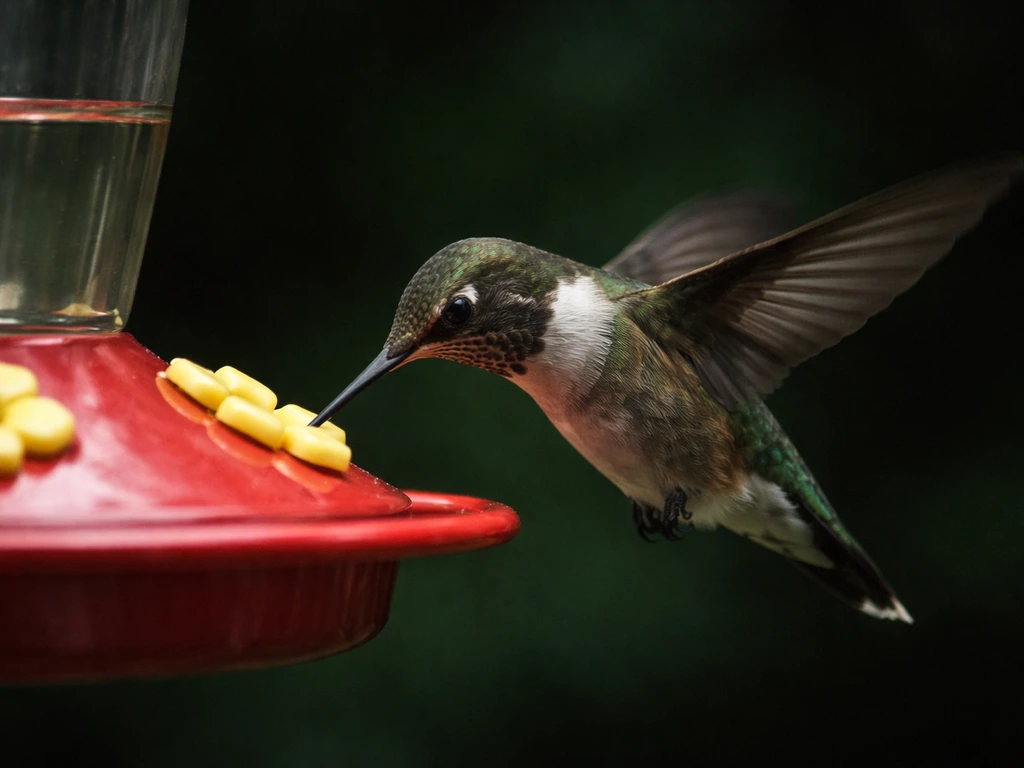
When you call or arrive at the clinic, the more specific you can be, the faster the vet can narrow down the differential. Avoid leading with "I think my bird has bird fever" because that tells the clinician almost nothing. Are hummingbirds affected by the bird disease people call “bird fever”? In general, hummingbirds can still become sick from avian pathogens, but you should watch for specific symptoms and contact a wildlife or avian veterinarian right away if one appears ill. Instead, build your description around these details. If you are trying to figure out what bird disease is going around, start by matching your bird's symptoms and exposure to the most likely causes.
- Species and age of the bird (e.g., African grey parrot, approximately 4 years old)
- When you first noticed something was wrong, and whether the onset was sudden or gradual
- Which specific signs you have seen (list them, do not summarize), such as "open-mouth breathing since this morning, fluffed feathers since yesterday, not eaten in 24 hours"
- Whether this is a single bird or one of multiple birds, and if others are showing signs
- Any recent exposure to new birds, wild birds, poultry, or bird shows/markets
- Whether you or anyone in the household has felt unwell recently (relevant if chlamydiosis or avian influenza is on the table)
- Housing and diet (cage setup, any recent changes to food, bedding, or environment)
- Any previous illnesses, vet visits, or vaccinations for the bird
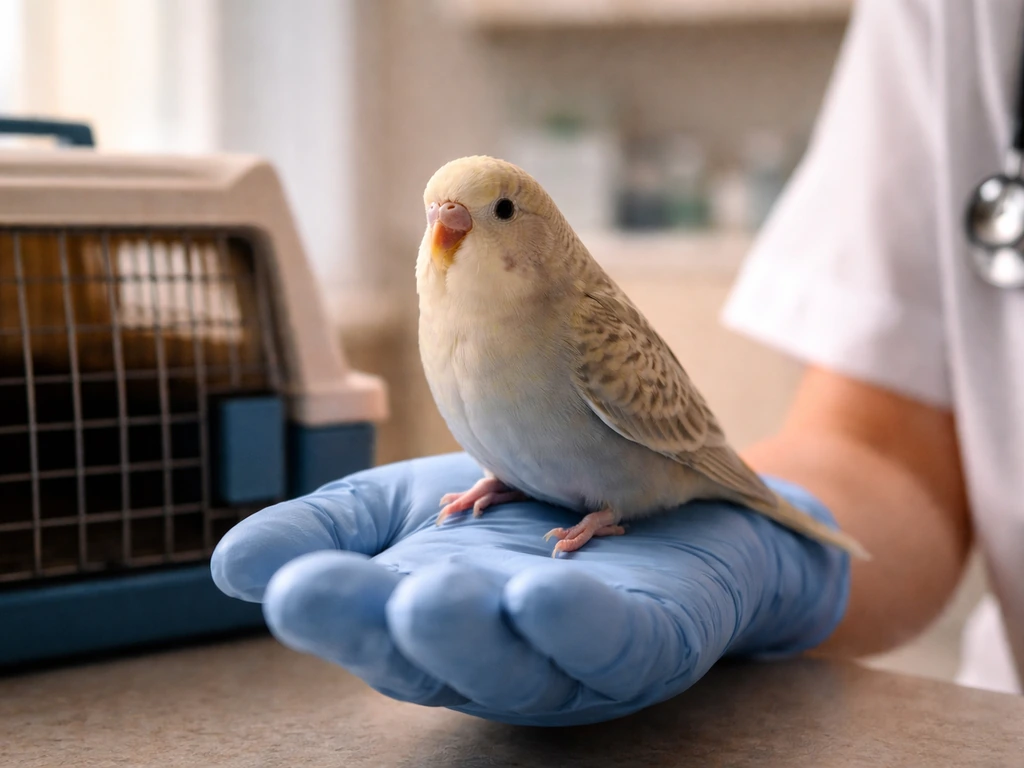
This kind of structured description helps the vet prioritize testing, interpret findings, and decide whether zoonotic disease reporting is needed. Conditions like psittacosis are reportable to health authorities in many jurisdictions, so the vet will need to know about human illness in the household too. The more clearly you communicate what you observed, the more efficiently the bird gets appropriate care.
The bottom line is that "bird fever" as a name is a historical accident built out of borrowed terminology and media shorthand. It does not describe one disease; it describes a feeling that something is seriously wrong with a bird. That instinct is worth acting on quickly, but the name itself should not guide your next steps.
If you are trying to figure out whether the bird disease is over, the safest move is still to confirm the cause with an avian vet but the name itself should not guide your next steps. The symptoms you observe, the exposure history, and a proper avian vet exam are what actually answer the question of what is going on.
If you are trying to understand what is bird disease, this is why “bird fever” should be treated as a starting point rather than a diagnosis.
FAQ
Does “bird fever” mean my bird has avian influenza or psittacosis for sure?
No. The term is a non-specific catch-all, it can refer to multiple conditions, including avian chlamydiosis (parrot fever) and avian influenza, but it can also be used for other illnesses that cause fluffed feathers and lethargy. The only reliable way to know is testing based on symptoms and exposure history.
Why is it risky to wait at home if my bird looks “feverish”?
Birds often hide declining health until they cannot compensate. If a bird is worsening or showing respiratory distress, delay can reduce the chance of successful treatment. For visible breathing difficulty, this should be treated as an emergency rather than a watch-and-wait situation.
Can I take my bird’s temperature at home to confirm “fever”?
In most household setups, a temperature reading is unreliable and can also stress the bird. Instead of trying to measure fever, focus on observable signs like breathing pattern, tail bobbing, open-mouth breathing, nasal discharge, appetite changes, and overall responsiveness.
What specific information should I tell the vet so they do not waste time guessing?
Describe the onset (when it started), the exact symptoms you see (especially breathing signs), whether any nasal discharge or diarrhea is present, and all recent exposures (new birds, contact with wild birds, shared water/food, cleaning habits). Also mention whether anyone in the home has been sick with respiratory symptoms.
If I have multiple birds, should I treat it differently than with one pet bird?
Yes. If more than one bird is ill, that raises concern for contagious conditions and faster spread within a flock. Separate affected birds from others, limit handling, and arrange an avian vet appointment the same day if possible, because the timing can affect containment.
Is “bird fever” contagious to people in the household?
It can be, depending on the underlying cause. Psittacosis can be zoonotic, and avian influenza has human health implications as well. Because the term does not identify the cause, assume risk until evaluated, use hand hygiene, and minimize aerosol exposure when cleaning.
Can cleaning the cage make me or my family sick before we know the diagnosis?
Yes, especially when dried droppings or nasal/oral secretions get disturbed and become airborne. Wear protection such as gloves and, ideally, a properly fitted mask, and avoid dry sweeping. Wet-cleaning and thorough hand washing reduce exposure risk.
Should I report suspected “bird fever” cases to health authorities?
Sometimes. Reporting depends on the specific disease (for example, psittacosis and avian influenza can be reportable in many places). Your avian vet will determine whether reporting is needed, but telling them about household illness, poultry operations, and exposure history helps them decide.
What if the “bird fever” label came from social media or an article, and my bird’s symptoms do not match?
Treat the label as a starting point only. Many different illnesses can cause lethargy and fluffed feathers, so mismatch symptoms may mean a different cause. Use the pattern of signs (especially respiratory vs digestive vs systemic) to guide what testing and treatment are appropriate.
Are hummingbirds covered by the same “bird fever” concerns?
Hummingbirds can get sick from avian pathogens too, but “bird fever” is still not a diagnosis and may not apply cleanly. If a hummingbird is visibly ill (lethargy, breathing issues, inability to feed), contact a wildlife or avian veterinarian promptly, because treatment and handling guidance can differ from pet birds.
How can I recognize urgent breathing problems that mean I should go right now?
Open-mouth breathing, tail bobbing with each breath, increased respiratory rate, or obvious struggle to breathe are red flags. If any of these are present, contact an emergency or avian hospital immediately, since respiratory deterioration can happen quickly.
Next Article
Are Hummingbirds Affected by the Bird Disease? Symptoms
Find out if hummingbirds get common bird diseases, spot key symptoms fast, and learn urgent steps and feeder hygiene.