Right now, in mid-2026, the bird diseases drawing the most attention are highly pathogenic avian influenza (HPAI H5N1), respiratory infections like Mycoplasma and Aspergillosis, and Psittacosis (parrot fever) in pet birds. If your bird is showing sudden lethargy, labored breathing, nasal discharge, or has died without warning, those are your red-flag symptoms. If you want a general overview first, see what is bird disease for a starting point before you narrow down symptoms. Isolate the bird immediately, wash your hands thoroughly, and get an avian vet on the phone today. If you’re wondering whether the bird disease is over, the safest choice is still to follow your avian vet’s testing and isolation guidance until risk is confirmed as low is the bird disease over.
Latest on Bird Disease: Symptoms and What to Do Now

How to find real, up-to-date bird disease information today
When you search 'latest on bird disease,' you want credible outbreak data, not panic headlines. The best sources for current alerts are the USDA APHIS website (which publishes weekly updates on confirmed and suspect HPAI cases in both poultry and wild birds), your state's department of agriculture, and the European Food Safety Authority (EFSA) if you're in the EU. EFSA recently reported 406 domestic bird outbreaks and 2,108 wild bird outbreaks across 32 EU countries in just a three-month window from late 2025 to early 2026, so these numbers shift fast and checking dates matters.
For pet bird diseases, the Association of Avian Veterinarians (AAV) and your national veterinary association post disease advisories that are more relevant to parrots, finches, and companion birds than poultry-focused USDA alerts. Bookmark two or three of these sources and check them when you notice something unusual, rather than relying on news articles which often lag or sensationalize.
One practical tip: USDA APHIS uses a specific two-tier system when describing cases. A 'suspect case' means illness compatible with HPAI or H5/H7 LPAI but not yet lab-confirmed. A 'confirmed positive case' means the virus has been identified in tested birds. When you read an outbreak report, look for that distinction because it tells you how certain the data actually is.
The bird illnesses most worth your attention right now

Not every bird disease carries the same urgency. Here are the categories to focus on in 2026, ranked by how commonly they affect the birds most people care for.
Respiratory disease (the most common serious category)
Respiratory illness is the single biggest killer of pet birds, and it covers several distinct diseases. Aspergillosis is a fungal infection of the airways, common in birds kept in damp or poorly ventilated spaces. Mycoplasma and Chlamydia psittaci (which causes Psittacosis) are bacterial respiratory infections. Psittacosis is also a zoonotic disease, meaning it can spread from birds to people, which is why it's flagged by public health agencies. Signs across all of these include clicking or wheezing when breathing, tail bobbing (the bird pumps its tail with every breath), open-mouth breathing, and discharge from the nares.
Avian influenza (HPAI/H5N1)
HPAI H5N1 remains the dominant wild bird disease story globally right now. It spreads through wild waterfowl and shorebirds and can jump to backyard poultry and raptors. If you need a quick baseline before diving into specific symptoms, see what is bird virus and how it relates to respiratory infections and avian influenza. Domestic pet parrots are at lower risk unless they have direct or indirect contact with wild birds or infected poultry. Hummingbirds can be affected by avian influenza during outbreaks, especially if they have exposure to infected wild birds or contaminated areas. Symptoms in affected birds can progress extremely fast: neurological signs like spinning or head tilting, sudden death in an apparently healthy flock, swollen head and face, and bloody discharge. If you have backyard chickens or ducks and see these signs, contact your state vet immediately rather than waiting for a regular vet appointment.
Pacheco's disease and other herpesvirus infections
Pacheco's disease is a herpesvirus that affects parrots and can kill birds within 24 to 48 hours of showing symptoms. It often spreads when a new bird is introduced to an existing flock. Signs include lethargy, fluffed feathers, diarrhea (sometimes yellow-green), and sudden death. Any new bird brought into a home with existing birds should be quarantined for 30 days minimum.
Proventricular Dilatation Disease (PDD)
PDD, caused by Avian Bornavirus, is a neurological and digestive disease mainly seen in parrots. Birds lose weight despite eating, pass undigested food in droppings, and eventually develop neurological symptoms. It progresses slowly, so it's less of an acute emergency but still requires a vet diagnosis to manage.
Symptom checklist: what to look for in pet vs wild birds
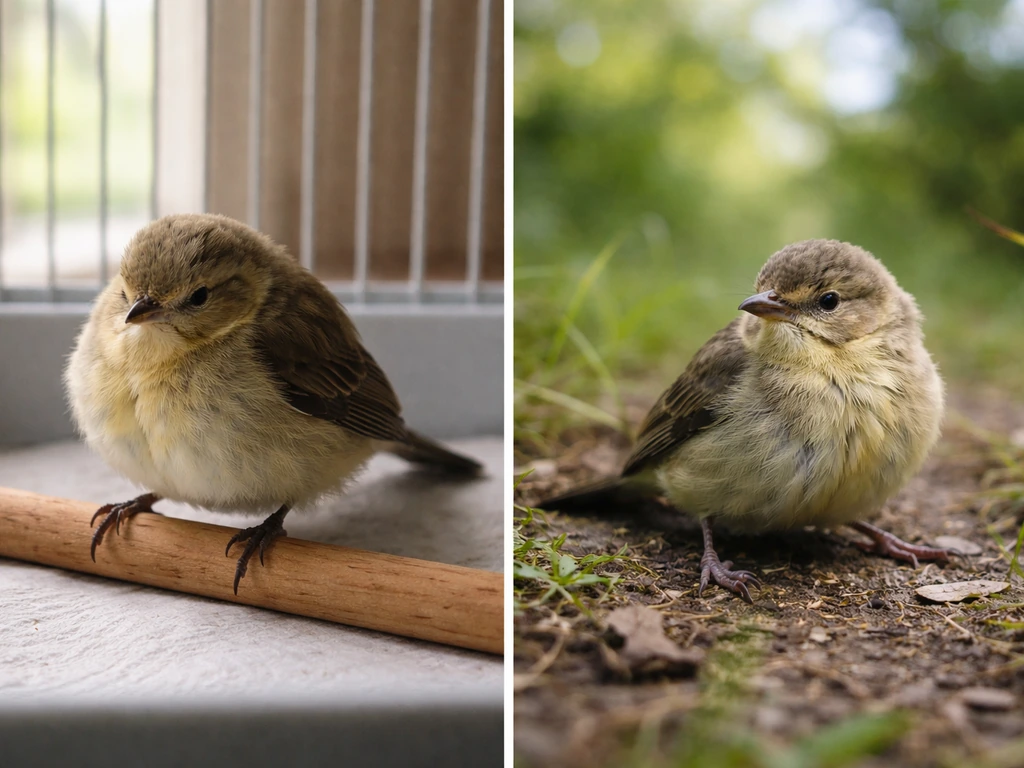
Use this checklist to assess what you're seeing. The more items you check off, the more urgent the situation.
Pet birds
- Sitting fluffed up at the bottom of the cage or on the perch with eyes half-closed
- Tail bobbing in rhythm with breathing
- Clicking, wheezing, or rattling sounds when breathing
- Discharge from nostrils or eyes (wet, crusty, or colored)
- Sudden loss of appetite or visible weight loss (prominent keel bone)
- Droppings that are watery, discolored (yellow-green, black), or undigested
- Vomiting or regurgitation not related to normal feeding behavior
- Neurological signs: head tilting, circling, loss of balance, seizure-like movements
- Swollen face, eyes, or joints
- Sudden behavioral change: previously active bird now quiet, unresponsive, or uncoordinated
- Feather loss or abnormal feather quality not explained by molting
Wild birds
- Bird found on the ground during daylight hours and unable to fly
- Obvious neurological signs: spinning, head tilting, falling over
- Labored or open-mouth breathing
- Swollen or crusty eyes
- Multiple dead birds found in the same area (especially waterfowl, gulls, or raptors)
- Bird appears disoriented or unafraid of humans in a species that would normally flee
If you find a sick or dead wild bird, do not handle it with bare hands. Use gloves or a plastic bag inverted over your hand. Report multiple dead birds (especially waterfowl or raptors) to your state wildlife agency or USDA Wildlife Services, as this can indicate an active HPAI cluster.
What to do right now at home: isolate, clean, and monitor
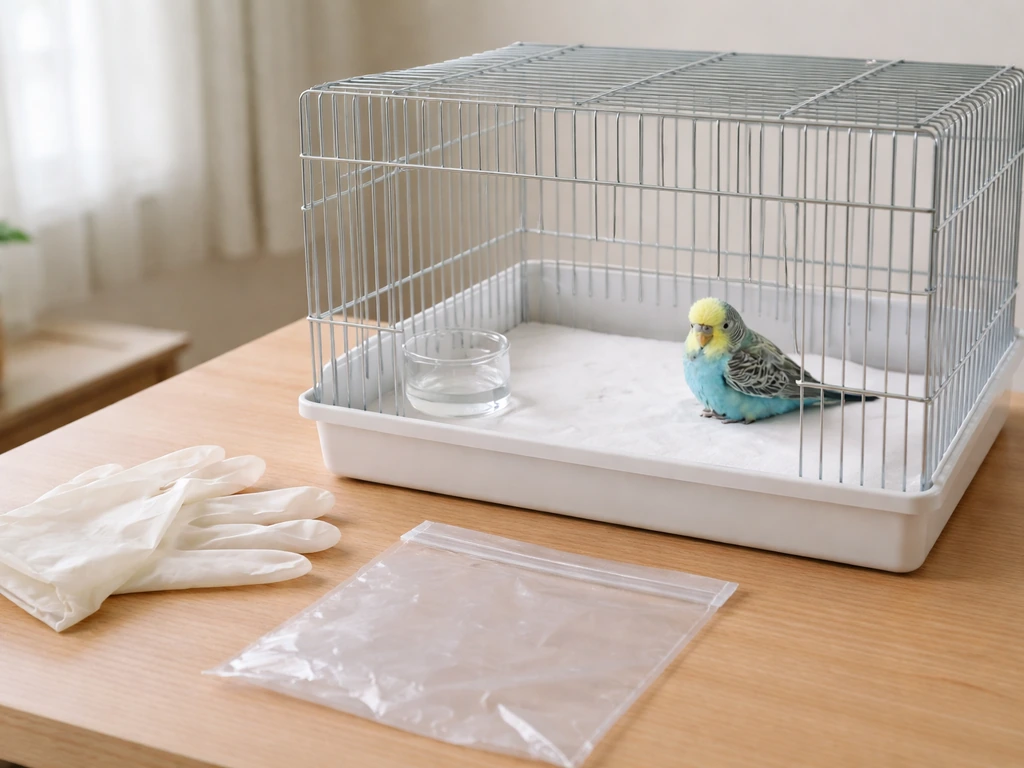
The first 30 minutes after you notice symptoms matter. Here is the practical sequence to follow.
- Move the sick bird to a separate cage in a different room, away from all other birds. Use a clean cage or line an existing one with fresh paper. Bring food and water from scratch, not from the shared supply.
- Wash your hands with soap and water for at least 20 seconds after handling the bird, the cage, or anything the bird has touched. Change clothes if you've had close contact, especially before handling other birds.
- Keep the isolation room warm. A sick bird loses the ability to regulate its temperature. Aim for 85 to 90 degrees Fahrenheit (29 to 32 Celsius) in the immediate environment using a small lamp or heating pad placed under half the cage so the bird can move away from it if needed.
- Do not give human medications, especially aspirin or ibuprofen, as these are toxic to birds. You can offer a small amount of electrolyte solution (bird-specific, not sports drinks) in water if the bird is drinking.
- Write down exactly what you observed: the first symptom you noticed, when it started, any changes in droppings, diet, or environment in the past week, and whether any new birds, items, or people have been introduced recently. You'll need this for the vet.
- Stop sharing any food, water dishes, perches, or toys between the sick bird and healthy birds until you have a diagnosis.
- Disinfect surfaces the sick bird has touched using a dilute bleach solution (1 part bleach to 32 parts water) and let it air dry. Avoid strong chemical sprays near birds as their respiratory systems are extremely sensitive to fumes.
When to call an avian vet vs when to go to an emergency clinic right now
Most bird illnesses are serious enough that 'wait and see' is the wrong call, but not every situation is a same-day emergency. Use this table to make the decision quickly.
| Signs you're seeing | What to do |
|---|---|
| Fluffed, quiet, reduced appetite but still moving around and responsive | Call an avian vet for a same-day or next-morning appointment |
| Tail bobbing, mild discharge, slightly labored breathing | Call an avian vet today, describe symptoms clearly, ask if same-day is needed |
| Open-mouth breathing, gasping, or visible respiratory distress | Go to an emergency avian or exotic animal clinic immediately |
| Neurological signs: circling, head tilting, falling off perch, seizure | Go to emergency care immediately |
| Bird is unresponsive, on the cage floor, or cannot hold its head up | Emergency care now, bring the bird warm and contained |
| Sudden death of one bird in a flock with other birds now showing symptoms | Call your state vet and an avian vet simultaneously, isolate all remaining birds |
| Suspected Psittacosis (you or a family member also has flu-like symptoms) | Contact both an avian vet and your own doctor today |
Birds hide illness instinctively as a survival mechanism, so by the time you notice obvious symptoms, the bird is often already significantly unwell. Erring on the side of calling the vet sooner is almost always the right choice.
What to expect after you contact the vet
When you call an avian vet, have your notes ready. The vet will likely ask you several questions before deciding whether you need to come in urgently or can schedule for later in the day. Being prepared speeds up that triage process.
- Species, age, and sex of the bird (if known)
- How long you've had the bird and where it came from
- Specific symptoms and when they first appeared
- Any recent changes: new food, new birds in the home, new cage location, cleaning products used, plants nearby
- Vaccination history if applicable (relevant for some diseases in poultry)
- Whether any other birds in the household are showing symptoms
- Whether anyone in your home has developed respiratory symptoms or flu-like illness
At the appointment, the vet will likely perform a physical exam, check the bird's weight, listen to its breathing, and may recommend a crop swab, blood panel, or fecal test. For respiratory illnesses, a Chlamydia/Psittacosis PCR test is common. If HPAI is suspected, the vet is required by law in most jurisdictions to report this to animal health authorities, and testing will be arranged through official channels.
After the visit, you may receive antibiotics, antifungals, or supportive care instructions. Follow dosing instructions exactly, even if the bird appears to improve after a day or two. Stopping antibiotics early is one of the most common reasons birds relapse.
Protecting your other birds and preventing spread
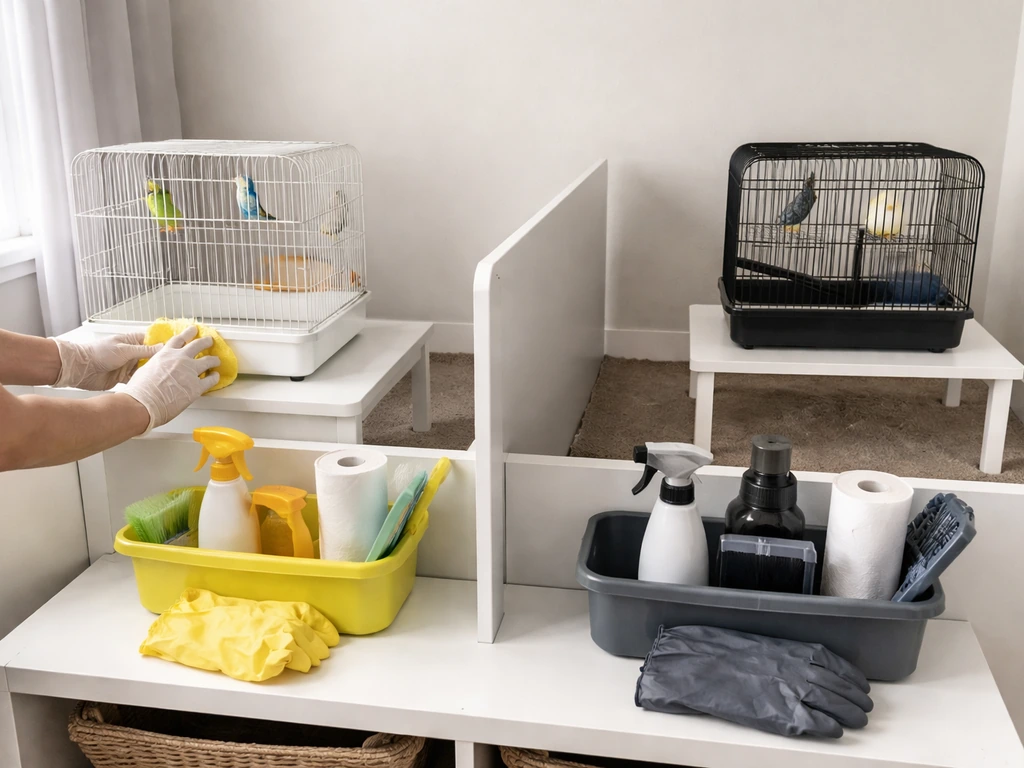
If you have multiple birds at home, the isolation you've already set up buys you time but is only the first step. Here is how to reduce the risk of spread while you wait for a diagnosis.
- Maintain strict separation: feed and care for healthy birds first, then the sick bird, never the other way around. Change clothes or at least wash hands between handling sessions.
- Keep the sick bird's room ventilated but not shared-air with other birds. If you have a forced-air HVAC system, close the vents in the isolation room to reduce airborne particle spread.
- Don't introduce any new birds into your home until the sick bird has recovered and been cleared by a vet.
- Quarantine any bird returning from a boarding facility, bird show, or new purchase for at least 30 days in a separate room before reintroducing it to your flock.
- Replace substrate, food, and water daily in the isolation cage and dispose of waste in a sealed bag.
- If you have backyard poultry and keep pet birds, treat them as separate populations with their own dedicated tools and footwear.
For wild bird feeders: during active HPAI outbreak periods in your area, wildlife agencies often recommend taking down feeders temporarily to reduce wild bird congregation. Check your state wildlife agency's current guidance on this, because the advice changes depending on local outbreak status.
Understanding what's going around is half the battle. Whether you're dealing with a coughing parrot, a backyard flock showing neurological signs, or a sick wild bird in your yard, the pattern of symptoms usually points toward a specific category of illness. Knowing those categories, checking credible sources for current alerts, and responding quickly with isolation and hygiene gives you and your vet the best chance of a good outcome. If you're wondering why bird fever was named so, the short answer is that naming varies by outbreak, virus type, and historical usage credible sources for current alerts.
FAQ
If I suspect a bird illness, what can I do at home in the first hour before the vet calls back?
Yes, but only as a stopgap until you speak with an avian vet. Keep the bird warm, reduce handling, and offer small amounts of electrolytes or species-appropriate food if the bird is still swallowing normally. Do not give human cold medicines, essential oils, or leftover antibiotics, and avoid nebulizing unless your vet tells you what to use, because some treatments can worsen air sacs.
My bird seems better after 1 to 2 days of isolation, can I end precautions early?
In most cases, testing and isolation guidance should be driven by exposure risk, not your bird’s current appearance. A bird can improve temporarily while still shedding pathogens, especially with some respiratory and influenza infections. Follow the vet’s timeline for retesting or extended separation if there was exposure to wild birds, poultry, shared air, or contaminated items.
What if I have multiple birds, but only one is sick, do I isolate just the one?
If your bird was in the same room airspace as another sick bird, treat both birds as potentially exposed and keep them separated by at least distance plus separate airflow if possible. Use dedicated towels, bowls, and tools per bird. Also, consider that some infections spread via contaminated dust or droppings, so cleaning the “invisible” surfaces, cages, and nearby floors matters as much as isolating the visible sick bird.
What should I do with a dead bird found at home or in my backyard?
You should assume any sudden death, especially with neurologic signs or outbreaks around your area, could involve diseases that require official reporting. If you can do so safely, bag the carcass or keep it refrigerated and contact your avian vet or local animal health authority for instructions. Do not transport it to a general clinic without guidance, because sample handling and reporting requirements may differ.
Are bird diseases like psittacosis or avian influenza contagious to people in my household?
Yes, because some common bird respiratory diseases can be transmitted to people, and they also spread between birds. Use gloves, eye protection if there is nasal discharge, wash hands thoroughly, and avoid sharing towels, food bowls, or airspace with other birds. If anyone in the household develops fever, coughing, or breathing trouble, seek medical advice and mention the bird exposure.
How should I interpret outbreak reports that say “suspect case” versus “confirmed positive”?
A “suspect” label does not mean the bird is safe, it means the virus has not been confirmed in lab testing yet. Practically, you should still keep strict isolation, limit movement between birds, and follow the testing plan. When reports change from suspect to confirmed, it usually affects how long agencies ask for enhanced precautions and how aggressively nearby controls are implemented.
What household conditions increase the risk of fungal respiratory illness in pet birds?
Feeding damp or moldy foods, using old damp bedding, and poor ventilation are high-risk factors for fungal airway disease like Aspergillosis. Check humidity and airflow, remove any visibly moldy items, and clean ventilation areas rather than only the cage bottom. If you use air cleaners, confirm they are appropriate for birds and that the device does not produce irritating fumes.
If my bird is breathing with clicking or wheezing, is supportive care without medication ever enough?
For many respiratory illnesses, treatment decisions depend on whether the cause is bacterial, fungal, viral, or mixed, so supportive care alone can delay the right therapy. Also, withholding antibiotics or antifungals in an advanced case can reduce survival odds. The key is to call the avian vet promptly and request a diagnostic plan, such as swabs or blood work, rather than waiting for obvious worsening.
Do I really need to take down feeders during HPAI activity, or can I just clean more often?
Not always. Some diseases spread mainly through direct contact, shared droppings, or contaminated surfaces, while others require specific exposure routes like wild-bird contact. If your feeders or water sources have high wild-bird traffic during an outbreak, your risk can rise quickly. The safest next step is to follow the most current state wildlife guidance for whether to pause feeders in your exact area and time window.
How should I quarantine a new bird to reduce the risk of introducing disease?
Yes, but don’t confuse “quarantine” with “healthy.” Quarantine should include physical separation, separate tools, and a clear end date based on the vet’s advice, and it should still include a health check, not just visual observation. For new birds, many herds and homes use a 30-day minimum quarantine period, but if you notice respiratory or digestive signs, you should extend the separation and escalate to testing.
What is the safest way to clean cages and handle droppings during an outbreak suspicion?
Avoid disposing of manure, bedding, and cage-cleaning waste in ways that allow other birds or wildlife to access it. Seal waste in bags, clean surfaces with appropriate disinfectants per label directions, and keep gloves on during cleanup. If you have outdoor areas where runoff reaches wild birds, prevent splashes and runoff during cleaning and use dedicated outdoor shoes or a designated cleaning area.
When is “call the vet today” vs “rush in now” for suspected bird disease?
If a bird is having trouble breathing, open-mouth breathing, severe lethargy, or sudden neurologic changes, it is a same-day emergency in most situations, even if the vet might later determine it is not HPAI. When in doubt, call first and be ready to bring the bird in, because respiratory illness can deteriorate quickly and some treatments work best early. If your bird is stable enough to wait, ask the vet for a time window and what home monitoring to do meanwhile.
What Is Bird Virus? Symptoms, Spread, and Next Steps
Learn what bird virus is, how it spreads, key symptoms, when to isolate, and what vet tests and care help.