
If your bird is breathing with its mouth open, bobbing its tail with every breath, making gurgling or clicking sounds, or seems suddenly weak and fluffed up after eating or drinking, aspiration is a real possibility and you need to act fast. If you suspect a bird dust allergy, watch for sneezing, watery eyes, and coughing, and consider avoiding dusty bedding or cleaning products bird dust allergy symptoms. Aspiration happens when food, water, saliva, or other material gets inhaled into the airway instead of swallowed properly. It can turn into aspiration pneumonia within hours, which is why knowing these signs and acting on them quickly matters more than almost anything else in avian first response.
Bird Aspiration Symptoms: How to Spot and Act Fast

Marcus Webb
21 Jun 2026
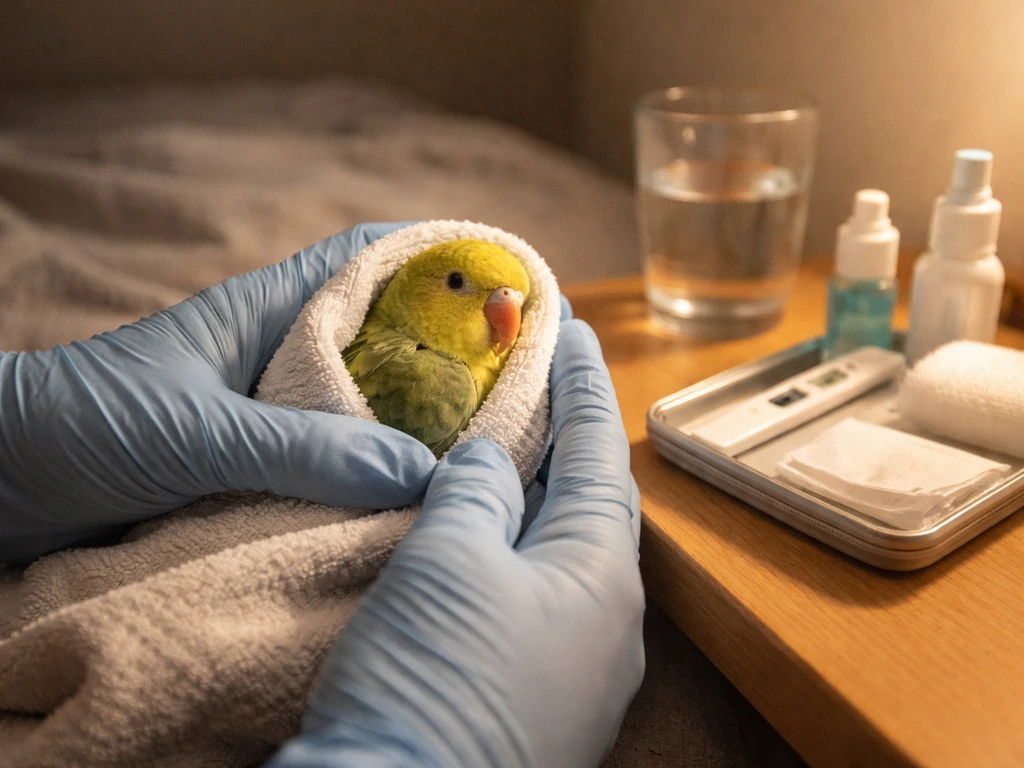
What aspiration is and why birds are so vulnerable to it
Aspiration means breathing something into the lungs that shouldn't be there, typically liquid, food particles, regurgitated crop contents, saliva, or even medicated formula. In mammals, a small flap of tissue called the epiglottis guards the entrance to the windpipe and closes automatically during swallowing. Birds don't have one. Their airway entrance (the rima glottis) sits at the base of the tongue with no epiglottic cover at all, which means any liquid or food that pools in the mouth or throat during feeding can slip directly into the trachea.
The trachea in birds also narrows near the syrinx at the lower end, so even a small amount of aspirated material can cause significant blockage or irritation. Because of these anatomical differences, aspiration is genuinely more common in birds than in cats or dogs. It's especially frequent in hand-fed baby parrots and in any bird that is being syringe-fed, medicated by mouth, recovering from anesthesia, or dealing with a condition that affects swallowing coordination.
Common bird aspiration symptoms and breathing changes to watch for
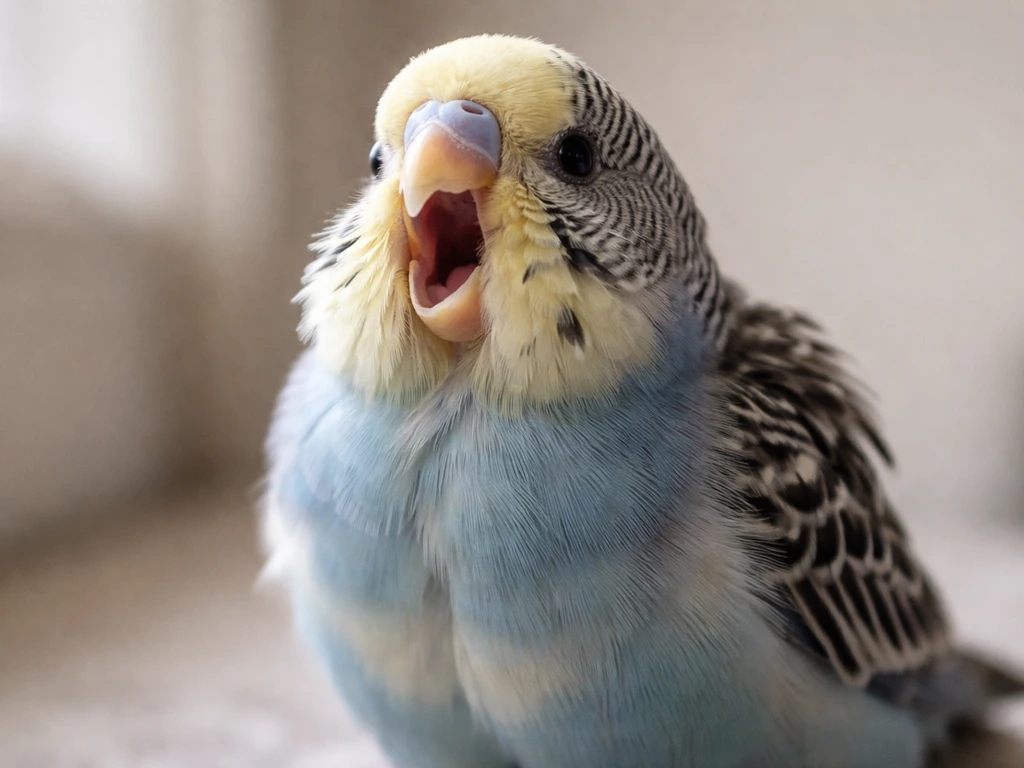
Aspiration symptoms can appear during or within minutes of a feeding event, but sometimes they show up more gradually over several hours if aspirated material has settled deeper into the lungs. Some owners also confuse these breathing and skin signs with the symptoms of bird allergies, so it helps to watch how the symptoms start and what exposures might be triggering them. The signs range from subtle to severe, and recognizing them early gives you the best chance of a good outcome.
- Open-mouth breathing: The bird sits with its beak open, often looking like it's panting. This is one of the clearest signs of respiratory distress in birds.
- Tail bobbing: The tail pumps up and down with every single breath. This means the bird is using extra muscles to breathe, which signals labored respiration.
- Gurgling, clicking, or bubbling sounds: These wet or musical noises come from the airway when fluid or debris is partially obstructing airflow.
- High-pitched squeaking: A squeaky or musical sound on inhalation or exhalation can indicate near-complete obstruction at the glottis or syrinx.
- Nasal discharge: Watery or mucus-like discharge from the nares, especially if it appears suddenly after feeding.
- Coughing, gagging, or head-shaking: The bird may repeatedly shake or toss its head, gag, or make repeated swallowing motions immediately after aspiration.
- Wheezing or labored breathing with increased sternal motion: The chest moves excessively with each breath, indicating the bird is working hard to move air.
- Lethargy and fluffed feathers: A bird that suddenly seems sleepy, sits low on the perch, or fluffs up after eating is showing a nonspecific but serious warning sign.
- Cyanosis: A bluish tinge around the beak, nares, or feet means dangerously low oxygen levels. This is an emergency.
You may notice one or several of these at once. Even a single sign like tail bobbing or open-mouth breathing after eating warrants careful attention, not a wait-and-see attitude. If you suspect a bird ear infection, look for head shaking, ear-area swelling, discharge, or trouble balancing bird ear infection symptoms.
When symptoms mean go now versus monitor closely
Some aspiration presentations are immediately life-threatening. Others allow a short window to assess and prepare before heading to a vet. Knowing the difference can save you from either panicking unnecessarily or waiting too long.
Go to an avian emergency vet immediately
- Cyanosis (blue or grayish color around beak or extremities)
- Open-mouth breathing that doesn't stop or is getting worse
- Audible gurgling or bubbling sounds from the airway
- High-pitched squeaking or whistling on every breath
- Bird is unresponsive, collapsed, seizing, or barely holding on to its perch
- Visible distress immediately following a feeding: gagging, choking, shaking head frantically
- Tail bobbing combined with any other sign on this list
Monitor closely and call your vet within the hour
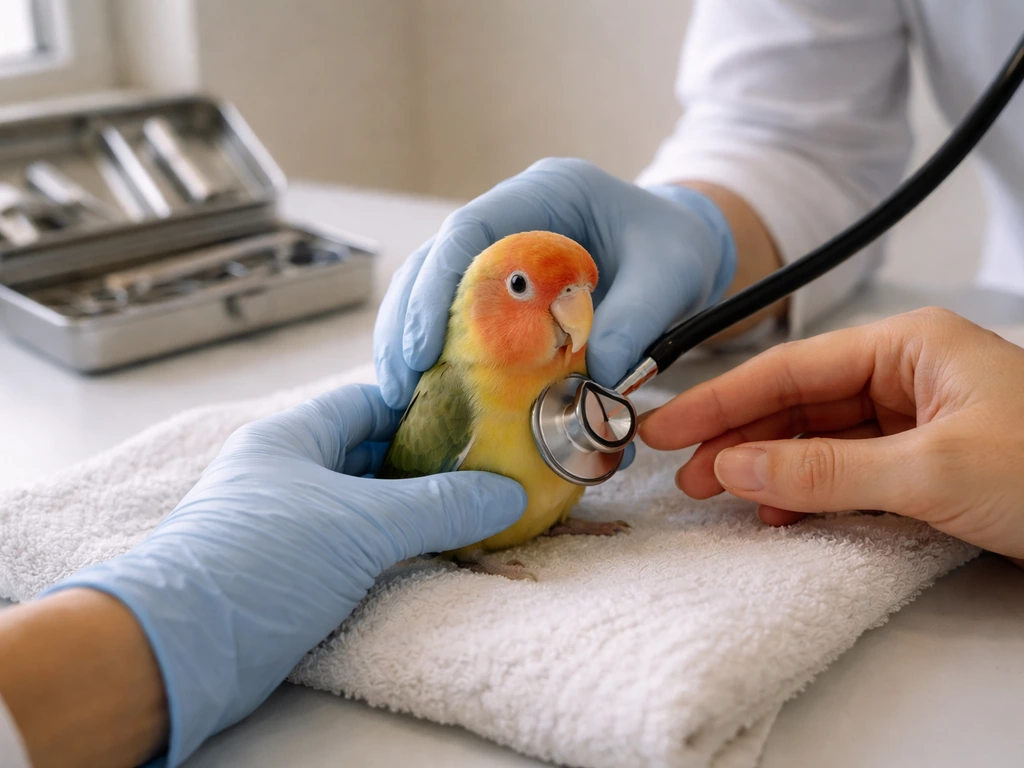
- Bird coughed or gagged during feeding but settled down and is now breathing with mouth closed
- Mild lethargy or fluffed posture appearing after a feeding episode, without open-mouth breathing
- Slight nasal discharge that appeared after syringe feeding but the bird is otherwise alert
- One or two head shakes after eating but no ongoing respiratory noise or distress
The monitoring window is short. Aspiration pneumonia can develop within hours as aspirated material causes inflammation, bacterial colonization, and fluid buildup in the lungs and air sacs. Bird infection symptoms can overlap with aspiration pneumonia, so seek veterinary advice if breathing changes or weakness are present. If symptoms are not clearly improving within 30 to 60 minutes, move to emergency care. Never wait overnight if respiratory signs are present.
Home assessment: what you can safely check and record for your vet
There isn't much you should physically do to a bird in respiratory distress at home, but there is a lot you can observe and document that will genuinely help the vet move faster when you arrive.
Safe things to observe and record
- Count the breathing rate: Normal resting respiratory rate in most parrots is roughly 25 to 45 breaths per minute. Count for 30 seconds and double it. If it's significantly faster, note the number.
- Watch for tail movement: Is the tail bobbing with every single breath, or just occasionally? Note whether it's constant or intermittent.
- Listen carefully: Can you hear any sound on inhalation or exhalation without putting your ear close to the bird? Any clicks, pops, wheezes, or gurgling?
- Check the color: Look at the nares, the skin around the beak, the feet, and any exposed skin for bluish or grayish discoloration.
- Note posture: Is the bird sitting low, hunched, eyes half-closed, or standing tall and alert?
- Recall the timeline: Exactly when was the last feeding or drinking event? Did anything unusual happen during it? Was it hand-feeding, syringe feeding, or independent eating? What formula or food?
- Record any vomiting or regurgitation: Did the bird regurgitate or vomit before or after symptoms appeared? What did it look like?
What not to do at home
- Do not try to hold the bird upside down or shake it to clear the airway. This is not effective and causes extreme stress that can be fatal in a compromised bird.
- Do not attempt to syringe more water or liquid to 'flush' the airway.
- Do not give any medication unless you have been specifically instructed by a vet for this exact situation.
- Do not place the bird in a humid bathroom environment thinking steam will help. You can't reverse aspiration at home.
- Minimize handling. Extra stress increases oxygen demand. Keep the bird calm, warm (around 85 to 90°F if the bird is weak or chilled), and contained safely for transport.
How aspiration differs from other respiratory problems and choking
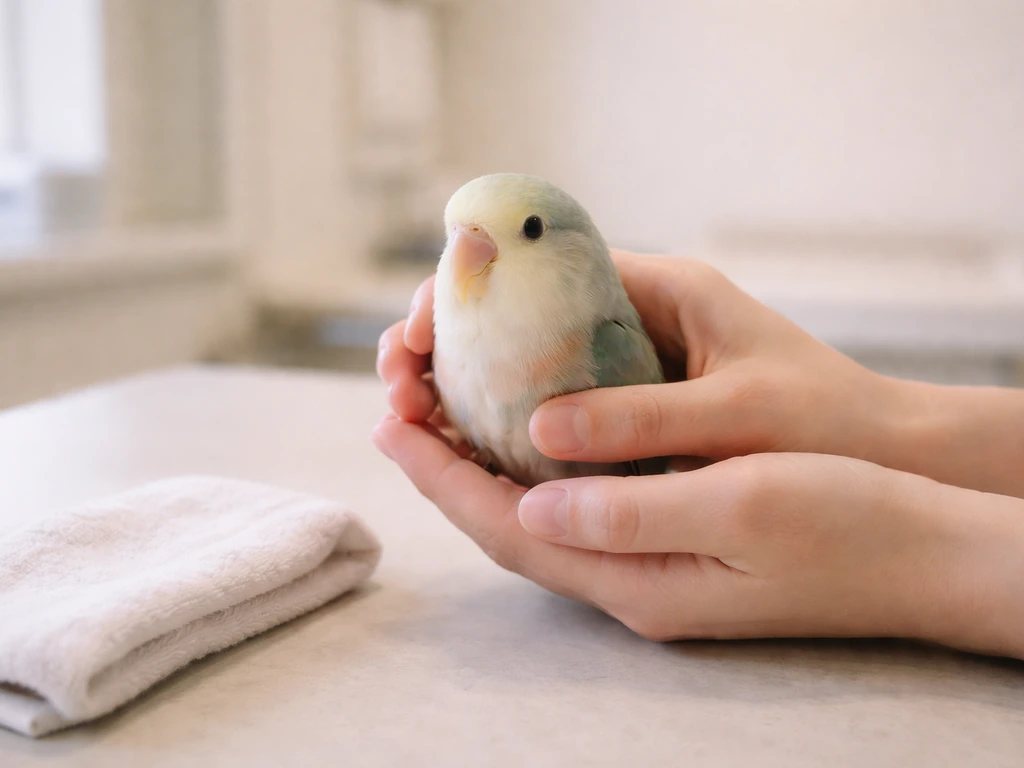
Aspiration can look a lot like several other avian respiratory conditions, and the overlap is real. Because aspiration signs can resemble other conditions, it's important to consider related issues too, such as bird dander allergy symptoms, when you are trying to narrow down the cause of respiratory changes. But a few features can help you narrow it down before you reach the vet.
| Condition | Typical onset | Key distinguishing features |
|---|---|---|
| Aspiration / aspiration pneumonia | During or minutes to hours after eating or drinking | Wet gurgling sounds, symptoms started right after a feeding event, history of syringe feeding or vomiting |
| Respiratory infection (bacterial/fungal) | Gradual over days | Nasal discharge, sneezing, progressive lethargy, not tied to a specific feeding event |
| Air sac disease | Gradual or sudden | Abdominal swelling or visible distension, voice changes, tail bobbing without a clear triggering event |
| Choking / foreign body | Sudden, dramatic | Bird was eating a hard food, toy, or object; extreme distress, head shaking, pawing at mouth, no wet lung sounds |
| Tracheal or syringeal mass | Progressive over weeks | Voice changes, squeaking that gets worse over time, not event-triggered |
| Crop or stomach problems | After eating, may vomit | Distended or firm crop, repeated regurgitation without respiratory sounds, different from aspiration but can precede it if vomiting leads to airway exposure |
Choking from a foreign body tends to be explosive and dramatic, where the bird is shaking its head violently and in obvious acute distress without wet lung sounds. Aspiration more often produces wet, gurgling, or bubbly sounds because liquid or semi-liquid material is in the airway. Respiratory infections tied to bird allergies, bird dander, dust, or environmental pathogens typically build more slowly over days and aren't tied to a specific meal. If you're uncertain, treat it like an emergency either way, because the treatment delay cost is high.
Common triggers and risk factors
Understanding what causes aspiration can help you identify whether your bird's history fits the pattern. These are the most common scenarios:
- Incorrect syringe feeding technique: Feeding too fast, using too large a syringe, or not positioning the bird correctly are the most frequent causes of aspiration in hand-fed baby parrots and rescued birds.
- Feeding formula that is too thin or too hot: Thin formula flows faster and is harder to control. Overheated formula can cause crop burns that alter normal motility and increase regurgitation risk.
- Force-feeding a stressed or uncooperative bird: When a bird resists feeding, the risk of formula entering the airway instead of the esophagus increases significantly.
- Regurgitation or vomiting: A bird that vomits can aspirate its own crop or stomach contents. This is a major risk in birds with crop stasis, infections, or toxic ingestion.
- Swallowing difficulties caused by illness: Neurological disease, Proventricular Dilatation Disease (PDD), severe weakness, or toxin exposure can impair swallowing coordination.
- Anesthesia and post-surgical recovery: Birds coming out of anesthesia have reduced muscle tone and reflex protection, making aspiration during recovery a real risk.
- Drinking too quickly or being submerged accidentally: Especially in baby birds or birds with abnormal neuromuscular function.
- Oral or nasal discharge pooling: Birds with active upper respiratory infections can aspirate thick mucus or discharge.
What your vet will do: diagnosis, treatment, and recovery
When you arrive at an avian vet or emergency clinic with a bird showing aspiration symptoms, the first priority is stabilization. That usually means oxygen supplementation before anything else, because dyspneic birds can crash quickly under the stress of handling or examination. Critically ill birds with respiratory signs should receive oxygen supplementation immediately oxygen supplementation before anything else.
Diagnosis
Once the bird is stable enough to examine safely, the vet will likely auscultate the lungs and air sacs, assess the airway visually, and take whole-body radiographs (X-rays) to evaluate lung density, air sac involvement, and whether there's consolidation or opacity indicating pneumonia. Depending on findings, they may also run blood work to check for infection markers, dehydration, or organ involvement. Endoscopy is occasionally used to directly visualize the trachea or lower airway if a foreign body or severe obstruction is suspected.
Treatment
- Oxygen therapy: Delivered via oxygen chamber or flow-by to reduce distress and support breathing while other interventions are prepared.
- Nebulization: Aerosolized saline or medications delivered via nebulizer can help loosen material in the airways and deliver antibiotics directly to lung tissue.
- Antibiotics: Broad-spectrum antibiotics are typically started quickly because aspirated material introduces bacteria into the lungs rapidly. The specific antibiotic may be adjusted based on culture results.
- Antifungal medications: If aspiration pneumonia is complicated by fungal infection (Aspergillus is a common concern in birds), antifungals may be added.
- Fluid therapy: Subcutaneous or IV fluids to address dehydration and support circulation, especially in birds that have been refusing food or vomiting.
- Supportive nutrition: Birds in recovery often need tube or crop feeding with easily digestible formulas while they heal, managed carefully by the vet to avoid repeat aspiration.
- Airway suctioning: In acute cases where the bird has clearly aspirated significant material, gentle suctioning under controlled conditions may be attempted.
Recovery expectations
Recovery depends heavily on how quickly treatment started and how much material was aspirated. Mild aspiration events caught quickly often resolve with a few days of antibiotics and supportive care. Bird bite infection symptoms can include swelling, redness, warmth, pus, and worsening pain, and they should be evaluated promptly by a clinician. Full aspiration pneumonia can take one to three weeks of intensive treatment, and some birds require hospitalization for the first 48 to 72 hours.
Birds that show improvement within 24 to 48 hours of starting treatment generally have a decent prognosis. Delayed treatment or severe pneumonia involving multiple air sacs can be much harder to resolve. Follow your vet's recheck schedule closely and complete the full antibiotic course even if the bird looks better.
Prevention: safer feeding and reducing aspiration risk
Most aspiration in pet birds is preventable with technique adjustments and awareness. These are the most practical steps you can take.
Syringe and hand-feeding safety
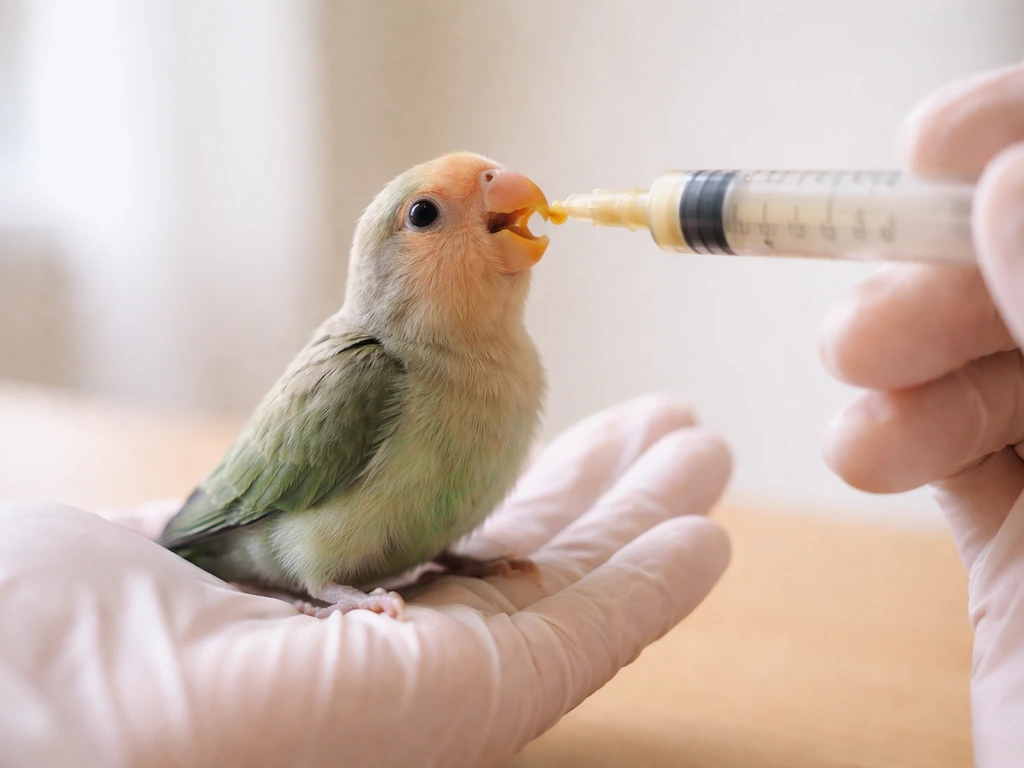
- Always feed slowly. Deliver small amounts at a time and wait for the bird to swallow visibly before the next delivery.
- Keep the bird upright and slightly forward-tilted. Never feed a bird on its back or with its head tilted down.
- Use the correct syringe size for the bird's size. A syringe that delivers too much formula too quickly is a major risk.
- Check formula temperature. It should be warm, around 103 to 106°F for baby parrots, not hot. Hot formula causes burns; cold formula causes slow crop emptying and regurgitation risk.
- Never force-feed a bird that is actively resisting or distressed. If a bird won't eat, that's information for your vet, not a reason to push harder.
- If a bird gags, coughs, or food comes out of the nares during feeding, stop immediately and watch closely for respiratory symptoms.
Managing regurgitation and swallowing issues
A bird that regurgitates frequently needs a vet evaluation before you continue feeding by any route. Repeated regurgitation dramatically increases aspiration risk. If a bird is recovering from illness, surgery, or neurological issues and has known swallowing difficulty, all feeding should be supervised by or directed by your vet, who may recommend specific positioning, formula consistency, or feeding frequency adjustments.
General respiratory health practices
- Minimize dusty environments and strong airborne irritants. Respiratory stress from environmental causes (dust, dander, mold, smoke) can make birds more susceptible to complications when aspiration does occur.
- Keep water dishes clean and at appropriate depth for the bird's size so it can drink naturally without submerging its nares.
- Watch for early signs of upper respiratory infections, because mucus buildup increases aspiration risk during feeding. Early treatment of infections matters.
- If your bird is on any oral medication, use the same careful technique as syringe feeding. A medicated bird being dosed quickly is just as much at risk as a baby being fed too fast.
- After any anesthetic procedure, follow your vet's specific instructions about when to resume food and water, and monitor the bird closely for the first few hours post-recovery.
Aspiration is one of those conditions where the difference between a full recovery and a serious crisis often comes down to how quickly you recognize what's happening and how fast you get to qualified care. If something feels wrong after a feeding, trust your instincts, observe carefully, and call your avian vet. You don't need to be certain it's aspiration to make that call. If you suspect a bird is having an allergic reaction, learning the bird nest allergy symptoms can help you decide when to seek urgent veterinary care.
FAQ
What are bird aspiration symptoms in the first few minutes after feeding, and what should I watch for most?
Look for breathing with the mouth open, tail bobbing, and wet gurgling or clicking sounds during or immediately after offering food or water. Also watch posture and activity level, if your bird suddenly goes quiet, sits low, or looks fluffed and weak shortly after a feeding attempt, treat it as urgent even if it stops sounding “bad” later.
If my bird seems fine after the feeding, can aspiration still be happening?
Yes. Aspiration symptoms can show up gradually over several hours as material moves deeper into the lungs and air sacs. If you notice tail bobbing, intermittent coughing, or persistent open-mouth breathing later the same day, contact an avian vet rather than assuming everything passed.
How can I tell aspiration apart from a typical respiratory infection?
Respiratory infections usually develop more slowly over days and are not clearly tied to a specific meal or medication dose. Aspiration is more likely to start during a feeding or within minutes, especially after hand-feeding, syringe-feeding, or medicated formula, and the breathing sounds often have a wet, bubbly quality.
My bird is sneezing and has watery eyes after cleaning, could it be aspiration instead of an allergy?
It could, but the pattern matters. Allergy-type signs like sneezing and watery eyes often track dust or cleaning exposure and tend to lack tail bobbing with each breath and persistent wet lung sounds. If there is any open-mouth breathing, tail bobbing, or weakness after eating or drinking, switch to aspiration suspicion and seek care.
What should I do during an emergency while I’m preparing to leave for the vet?
Keep handling minimal to reduce stress and avoid forcing any more food or water. Place the carrier in a warm, calm area and bring a log of what was fed, how it was given (hand, spoon, syringe), approximate volumes, timing, and the exact breathing or sound changes you observed.
Is it safe to try to “clear” my bird’s airway at home if I suspect aspiration?
Usually no. Avoid attempting suction, throat manipulation, or repeated force-feeding, as these can worsen irritation or move more material into the airway. Focus on observation and rapid vet care, especially if breathing looks labored, the bird is fluffed up, or sounds are wet.
When do bird aspiration symptoms require emergency care versus a quick office visit?
Use emergency care if breathing changes are present, the bird is weak, or symptoms are not clearly improving within 30 to 60 minutes. Also consider emergency if signs begin right after feeding or medication dosing, since aspiration pneumonia can escalate within hours.
What diagnostic tests are commonly used for aspiration at the clinic?
Expect lung and air sac evaluation with auscultation and whole-body radiographs to look for changes in lung density or pneumonia-related opacity. Blood work may be used to assess infection markers, dehydration, and broader health effects, and endoscopy is sometimes considered if obstruction or severe airway issues are suspected.
How long does recovery take after aspiration, and what indicates it’s going the right direction?
Mild cases often improve over a few days with antibiotics and supportive care. Birds that show improvement within 24 to 48 hours after starting treatment tend to have a better outlook. If breathing worsens, weakness increases, or the bird is not clearly improving, call the clinic promptly rather than waiting for a scheduled recheck.
Can aspiration pneumonia recur, and what prevention steps are most effective after the first event?
Yes, especially if underlying swallowing problems or feeding technique issues persist. If your bird regurgitates frequently or has known swallowing difficulty, get a feeding plan from your avian vet, which may include adjusting formula consistency, feeding frequency, and positioning, and ensuring all feedings are supervised or directed.
Next Article
Bird Nest Allergy Symptoms: What You’ll Notice and Next Steps
Bird nest allergy symptoms to watch for, how to reduce exposure fast, and when to seek urgent medical care.