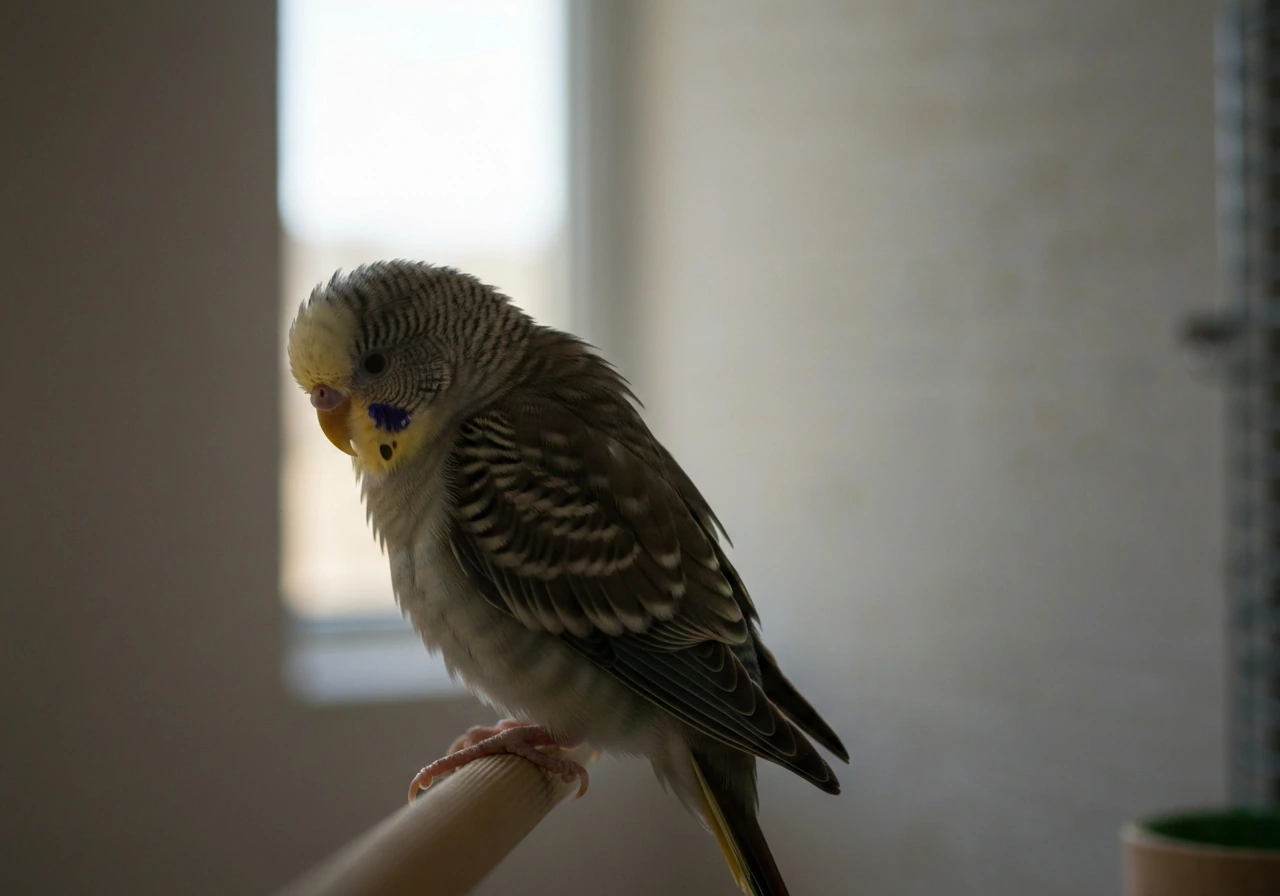
A sick bird will almost always show you something is wrong before things get serious. The most reliable early warning signs are fluffed-up feathers, unusual quietness or stillness, sitting low in the cage or on the bottom, and a general loss of interest in food and surroundings. Bird dust can also trigger respiratory irritation in some people, so if you are asking about bird dust allergy symptoms, it is worth comparing those signs with the bird’s fluffed-up, quiet, low-in-cage behavior. Those aren't dramatic symptoms, but they matter. Birds are prey animals hardwired to hide illness, so by the time they look obviously sick, they usually have been unwell for a while.
Bird Infection Symptoms Checklist: What to Watch for Now

Marcus Webb
1 Jun 2026
Common signs of bird infections
Whether the cause is bacterial, viral, fungal, or parasitic, the general signs of infection tend to look similar. That's partly why a diagnosis always needs a vet. What you're watching for at home is a pattern of change from normal, not a specific disease.
- Fluffed feathers held for long periods, especially when the bird isn't cold or sleeping
- Lethargy, weakness, or loss of balance when perching
- Sitting on the cage bottom or huddled in a corner
- Reduced or absent appetite
- Watery or discolored droppings (very watery urine portion, green or yellow urates, or unformed feces)
- Weight loss, especially noticeable as a prominent keel (breastbone)
- Overall dull or 'wrong' appearance compared to the bird's normal behavior
Any of these on their own can have a non-infectious cause, but a cluster of two or more, or any single sign that persists more than a day, is enough to take seriously. Systemic viral illnesses like polyomavirus can present with almost exactly this picture: fluffed feathers, low energy, and watery droppings. So can serious bacterial infections like avian chlamydiosis (psittacosis), which adds ruffled feathers, diarrhea, and sometimes green or yellow-green urates to the mix.
Respiratory symptoms to watch for
Respiratory disease in birds can be caused by bacteria, viruses, fungi, or parasites, so the symptom itself doesn't tell you the cause. What it does tell you is that the airway or lungs are involved, which is always worth acting on quickly.
- Open-mouth breathing at rest (not after exertion)
- Tail bobbing or tail 'flicking' with each breath, which means the bird is working hard to breathe
- Wheezing, clicking, or rattling sounds
- Sneezing, especially repeatedly or with discharge
- Nasal discharge (wet, crusty, or colored)
- Watery or sticky eye discharge
- Swelling around the face, eye area, or sinuses
- Coughing or voice changes
Open-mouth breathing is a particularly urgent sign. It often means airflow through the trachea is partially blocked by pus, mucus, or swelling. Bird ear infections can also cause related respiratory signs, so pay close attention to any worsening breathing or discharge ear infection symptoms. Fungal infections are worth mentioning here because they can be deceptive: they may stay chronic and subtle for a long time, but they can eventually cause permanent damage to upper respiratory structures. Any bird that has been mildly 'sneezy' for weeks and isn't improving deserves a vet visit, not just monitoring. If your bird shows aspiration symptoms such as coughing, wheezing, or trouble breathing, get veterinary help promptly.
blank" rel="noopener noreferrer">Prolonged open-mouth breathing combined with tail bobbing is a respiratory emergency. Do not wait to see if it improves on its own.
Digestive and systemic illness indicators

The digestive tract is one of the first places infections show up. Checking droppings daily is one of the most practical things a bird owner can do, because changes there often appear before a bird looks visibly unwell.
- Diarrhea (mushy, unformed, or very wet feces)
- Vomiting or excessive regurgitation (look for mucus stuck to the feathers on top of the head)
- Swollen or slow-to-empty crop
- Reduced appetite or total food refusal
- Progressive weight loss over days or weeks
- Depression or general dullness alongside digestive signs
Candidiasis, which is a fungal infection of the crop, can cause delayed crop emptying followed by regurgitation and poor appetite. Macrorhabdosis (a yeast-like organism in the stomach) classically causes ongoing weight loss, regurgitation, weakness, and diarrhea that just keeps recurring. Infections of the proventriculus or ventriculus (the bird's stomach chambers) can cause the same cluster: weight loss, regurgitation, diarrhea, and noticeable depression. Any time you see regurgitation combined with weight loss or a dull, fluffed bird, that combination needs veterinary attention within hours, not days.
One rule of thumb from avian practice: if a bird is vomiting or regurgitating (not just social regurgitation toward a favored person or toy), or has a visibly swollen crop, contact your vet within eight hours.
Neurologic and behavior changes that suggest infection
Neurologic signs can come from infectious causes, toxin exposure, or nutritional deficiencies. They look alarming, and they should prompt an urgent call to a vet regardless of the suspected cause.
- Tremors, especially fine tremors of the head or neck
- Loss of balance or ataxia (wobbly, uncoordinated movement)
- Head tilt
- Falling off the perch
- Leg or wing weakness, progressing to an inability to stand
- Seizures
- Sudden personality or behavior changes (aggression, fearfulness, or extreme tameness in a normally active bird)
Avian encephalomyelitis is one infectious cause that starts with fine tremors of the head and neck and can progress to full leg weakness, paralysis, and recumbency. Some systemic viral illnesses can cause partial blindness, difficulty eating, and weight loss alongside neurologic signs. Because toxins like heavy metals can produce nearly identical symptoms (lead poisoning causes anorexia, ataxia, and wing or leg weakness), the history of the bird's environment matters just as much as the clinical picture. Both are emergencies.
Skin, feather, eye, and mouth symptoms
Localized symptoms on the outside of the body are sometimes the first visible clue that something infectious is happening, and they're also easier to spot than internal changes. bird bite infection symptoms.
Skin and feather changes
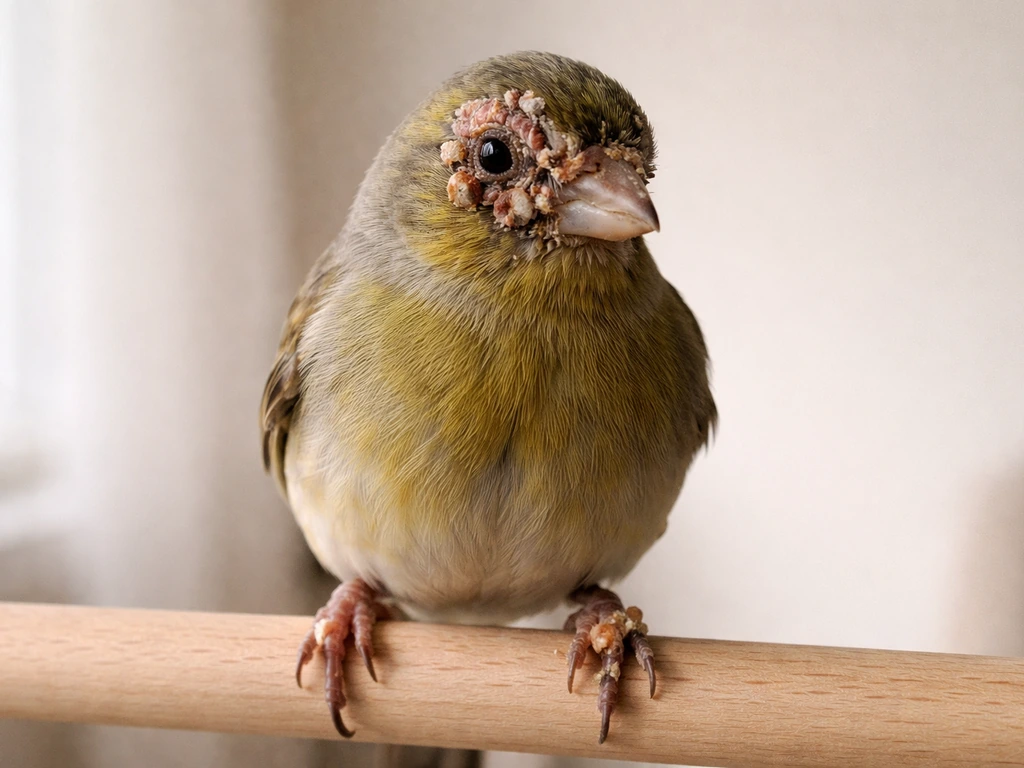
- Dry, wart-like nodules, scabs, or crusty lesions on bare skin areas like the face, around the eyes and mouth, or on the legs and feet (classic dry pox pattern)
- Abnormal feather development or unusual plumage quality
- Feather loss in unusual patterns not explained by molting
- Sores or swellings on the skin
Eye and mouth symptoms
- Eye discharge, redness, or swelling around the eye (conjunctivitis)
- Periocular (around-the-eye) swelling, which can indicate sinus involvement
- Plaques, white patches, or visible lesions inside the mouth or throat
- Difficulty swallowing or stretching the neck repeatedly
- Bad breath or an unusual odor from the mouth
Oral lesions often point to fungal infections like candidiasis or bacterial oral cavity infections. A bird that keeps stretching its neck or seems to have trouble swallowing may have an uncomfortable or painful lesion in the throat or crop entrance. Eye and nasal discharge together are a hallmark of avian chlamydiosis, but they also appear in many other respiratory infections, so again, the cause needs lab work to confirm. Avian Welfare Coalition shelter checklists specifically advise checking the eyes and nostrils for discharge or irritation and watching for open-mouthed breathing or tail flicking with each breath Symptoms of Illness in Avians.
How to tell infection from non-infectious causes
This is probably the most useful mental checklist to run through before you call the vet, because it helps you give them better information and helps you avoid panicking unnecessarily (or, just as important, avoid dismissing something serious as 'stress').
| Factor | Suggests infection | Suggests non-infectious cause |
|---|---|---|
| Onset | Gradual or following contact with a new bird | Sudden, following a specific event (new food, fume, trauma) |
| Other birds affected | Yes, or recent exposure to new birds | Only one bird affected, no new exposures |
| Environment change | None recent | New cookware, paint, cleaning products, or open windows near traffic |
| Diet | Normal, balanced diet | Sudden diet change, all-seed diet, nutrient deficiency suspected |
| Physical objects | No obvious ingestion hazard | Access to metals (blinds, jewelry, hardware, old paint, toys) |
| Husbandry | Good hygiene, normal housing | Overcrowding, unsanitary cage, high stress, no vet history |
| Response to supportive care | Minimal improvement with warmth and fluids alone | Some improvement after removing the suspected trigger |
Poor husbandry and unsanitary housing are major causes of illness in birds and can lower a bird's immune system enough that an otherwise manageable infection becomes serious. Toxin exposure is a separate but important consideration: PTFE (the coating on non-stick cookware) can cause acute death with almost no warning, and heavy metal poisoning from household items can look exactly like a neurological infection. If there's any chance of toxin exposure and a bird has respiratory distress or sudden neurologic signs, treat it as an emergency.
That said, infection and non-infectious causes are not always mutually exclusive. A stressed, poorly nourished bird kept in a dirty cage is more likely to develop an actual infection. The categories overlap in practice.
When to call the vet and what to do right now
Go or call immediately for these signs
- Open-mouth breathing at rest, especially with tail bobbing
- Collapse, inability to stand, or complete loss of balance
- Seizures or uncontrolled tremors
- Extreme weakness, unconsciousness, or unresponsiveness
- Blood in droppings
- Suspected toxin inhalation (burned non-stick cookware, paint fumes, cleaning products)
- Sudden acute deterioration in any bird
Contact your vet within a few hours for these signs
- Vomiting or true regurgitation (not social regurgitation)
- Swollen or impacted crop
- Sitting fluffed at the bottom of the cage
- Neurologic signs including head tilt, ataxia, or falling from the perch
- Any combination of lethargy, droppings changes, and appetite loss lasting more than a day
- Eye or nasal discharge in combination with other illness signs
Safe supportive steps while you arrange vet care
- Keep the bird warm: sick birds lose heat fast. Move them to a quiet, draft-free area around 85 to 90 degrees Fahrenheit if you can manage it safely, using a heat lamp or heating pad on one side of the cage only so the bird can move away if needed.
- Isolate the sick bird from other birds immediately to limit potential spread through droppings, feather dust, and direct contact.
- Offer easily accessible food and fresh water close to where the bird is perching or resting, since a weak bird may not reach normal bowl positions.
- Reduce handling and stress as much as possible. Minimize noise, activity, and disturbance near the bird.
- Do not give over-the-counter medications or home remedies without vet guidance. Many human medications are toxic to birds.
- Note and record what you've observed: when symptoms started, what droppings look like, what the bird has eaten, and any possible exposures. This information is genuinely useful to the vet.
Prevention and reducing spread between birds
Many avian infections spread through direct contact, shared droppings, and feather dust. That means the basics of biosecurity matter a great deal, especially if you have multiple birds or your birds have any contact with wild birds.
Quarantine new birds properly
Any new bird should be kept in strict quarantine from your existing flock for at least 30 days, and ideally 60 days. This means a separate room, separate air space if possible, and no shared equipment. USDA APHIS requires a 30-day quarantine for imported pet birds, with mandatory testing for HPAI (highly pathogenic avian influenza) and Newcastle disease. Even for domestic acquisitions, this quarantine period is one of the highest-value things you can do to protect your existing birds.
Daily and routine hygiene
- Clean food and water dishes daily with soap and hot water
- Remove droppings from cage surfaces regularly, since droppings are a key transmission route for many avian pathogens
- Wash hands thoroughly before and after handling each bird, especially if you have multiple birds
- Avoid sharing cage accessories, perches, or toys between birds that haven't been properly disinfected
- Use appropriate disinfectants for cages and surfaces; diluted bleach solutions are commonly used but need proper rinsing and full drying before birds re-enter the space
Managing wild bird contact
Wild birds can carry a range of pathogens that are transmissible to pet birds, including avian influenza and chlamydiosis. If your pet bird spends time near open windows, on outdoor perches, or in aviaries with exposure to wild bird droppings or feathers, that's a real biosecurity gap. Keep outdoor aviaries covered so wild birds cannot enter or deposit droppings inside. Avoid placing pet bird cages near windows where wild birds congregate or feeders are located. If you handle wild birds (for wildlife rehabilitation or other reasons), change clothes and wash hands thoroughly before going near pet birds.
General flock health practices
- Schedule routine well-bird exams with an avian vet at least annually, not just when a bird looks sick
- Keep birds on a nutritionally complete diet rather than a seed-only diet, since poor nutrition directly compromises immune function
- Minimize stress: overcrowding, lack of sleep, constant noise, and inadequate enrichment all reduce a bird's ability to fight off infection
- If an outbreak occurs in one bird, disinfect the environment thoroughly before introducing any replacement birds, following established protocols for cleaning and disinfecting after communicable avian disease
It's also worth knowing that some bird-related health concerns affect people, not just birds. Even without infection, contact with bird nesting materials and droppings can also trigger bird nest allergy symptoms in some people. Avian chlamydiosis (psittacosis) is a zoonotic disease, meaning it can be transmitted to humans. If a bird in your home is diagnosed with it, or if you develop flu-like symptoms after handling a sick bird, mention the bird exposure to your own doctor.
This is not a reason to panic, but it is worth flagging. Related concerns like bird dander, dust, droppings, and feathers can also trigger respiratory reactions in people, which is a separate issue from infectious disease but one worth understanding if someone in the household develops symptoms around birds. This can include non-infectious issues like symptoms of bird allergies triggered by exposure to those same substances bird dander, dust, droppings, and feathers.
Bird allergy symptoms signs in people can overlap with mild respiratory irritation, so it's important to separate allergy reactions from infection signs.
FAQ
My bird is eating less but not clearly sick yet, what bird infection symptoms should I track first?
If your bird is eating less but otherwise seems alert, still watch for a pattern. Start by checking droppings at the same time each day (volume, color, and consistency), then compare activity level and perching height. If reduced appetite lasts more than 24 hours or droppings change, call your avian vet.
How long do I wait before it counts as a real infection, and not just a one-off symptom?
A single symptom can have non-infectious causes, but duration matters. If any sign persists beyond a day, or two or more signs appear together (for example fluffed feathers plus quietness, or regurgitation plus weight loss), treat it as more than “watch and wait.”
What breathing-related bird infection symptoms mean it is becoming an emergency?
Monitor breathing with “effort,” not just sound. If you see tail bobbing, repeated open-mouth breathing, nostril flare, or the bird stays stretched forward trying to move air, that indicates airway involvement and should be treated as urgent rather than mild respiratory irritation.
Can birds have bird infection symptoms without acting obviously miserable?
Yes. A bird can look “quiet” and still deteriorate, because birds hide illness well. Focus on measurable changes, like staying low, reduced interest, and droppings that look different from normal, rather than relying on whether it looks obviously distressed.
What details should I tell the vet to help them diagnose bird infection symptoms faster?
When you contact the vet, include a brief timeline (when symptoms started), what “normal” looks like for your bird, and whether there are other birds or recent exposure to new birds, shared toys, or wild birds. This helps the vet decide whether to prioritize infectious testing versus environmental causes.
How can I tell social regurgitation from infection-related regurgitation?
Regurgitation rules differ from “social regurgitation.” If the bird regurgitates repeatedly or does it without the usual mating or begging context, especially alongside fluffed feathers, depression, or weight loss, contact your vet within the same day.
What does “quarantine for 30 to 60 days” practically mean to prevent spreading bird infection symptoms?
Quarantine is not just keeping a new bird in a different cage, it is preventing shared air, droppings transfer, and equipment use. Use separate room if possible, dedicated tools, and wash hands and change clothing after handling the newcomer before touching your resident flock.
My bird has had mild respiratory symptoms for weeks, should I keep watching or get tests?
Fungal and bacterial problems can look similar early, and improvement without complete diagnosis can be misleading. If your bird is still “mildly sneezey” for weeks, or symptoms keep recurring, book a vet visit for testing instead of continuing to monitor at home.
How do I avoid mistaking toxin exposure for bird infection symptoms, especially with neurologic signs?
Yes, toxin exposure can mimic infection, especially with neurologic signs. If there is any chance of heavy metal exposure, fumes, or PTFE overheating, treat it as an emergency and tell the vet exactly what sources are in the home, when the bird was near them, and what symptoms started first.
What should I do at home if my bird shows coughing, wheezing, or trouble breathing?
Have a plan to prevent aspiration if your bird is coughing, wheezing, or struggling to swallow. Keep the bird warm and calm, avoid forcing food or water, and seek veterinary guidance quickly, because aspiration can worsen rapidly even if the bird initially seems “just a bit off.”
Do bird infection symptoms in my bird mean I should watch for specific symptoms in people too?
Some bird-related issues are zoonotic, so it matters whether anyone in the household developed symptoms after handling the bird. If you develop fever or flu-like illness after caring for a sick bird, or if a household member has new respiratory symptoms, tell your healthcare provider about bird exposure and the timing.
Next Article
Bird Dust Allergy Symptoms: Signs, Red Flags, and Relief
Spot bird dust allergy symptoms like sneezing, itchy eyes, wheeze and shortness of breath, plus red flags and prevention