If you've been near a bird nest and suddenly have itchy eyes, a runny nose, or a tight chest, those are the classic signs your immune system is reacting to something in or around that nest. The most common triggers are dried bird droppings, feathers, dander, and mold or fungi growing on nesting material. Symptoms can start within minutes for nose and eye reactions, or a few hours later for lung symptoms, depending on what you're reacting to and how much you inhaled. If you develop bird dander allergy symptoms like chest tightness or wheezing after exposure, treat it as a sign your lower airways may be reacting lung symptoms. Bird dust allergy symptoms can show up fast when droppings, feathers, or dander become airborne Symptoms can start within minutes.
Bird Nest Allergy Symptoms: What You’ll Notice and Next Steps


What a "bird nest allergy" actually is and what sets it off
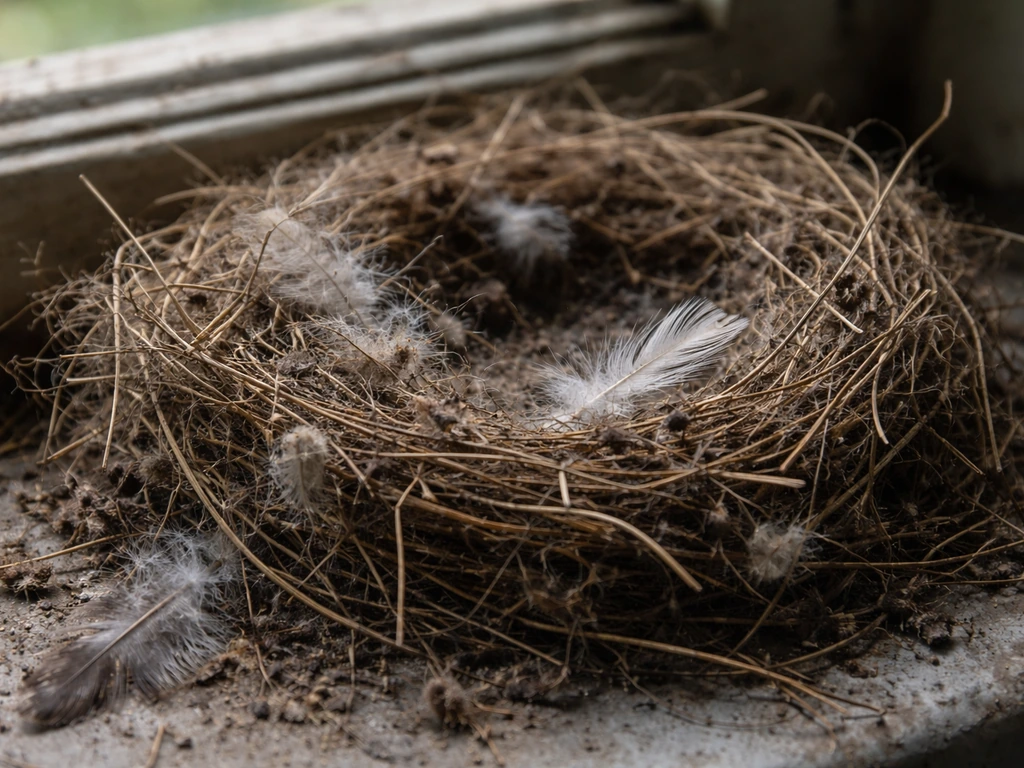
There's no single condition called "bird nest allergy," but the term covers a few real immune responses that share a common cause: exposure to biological material concentrated in and around bird nests. That material includes dried fecal dust, shed feathers, protein-rich secretions, dander, mites, and mold or fungal spores that thrive in the damp organic debris nests accumulate over time.
The two main immune pathways at play are allergic rhinitis/asthma (the classic IgE-mediated response most people think of as "allergies") and hypersensitivity pneumonitis, which is a deeper lung inflammation triggered by a different immune mechanism. Bird Fancier's Lung is the best-known form of the latter and is considered one of the most common types of hypersensitivity pneumonitis worldwide. It results from repeated inhalation of avian proteins from droppings, feathers, and secretions. You don't have to be a bird keeper to develop it. Disturbing a nest near an HVAC vent, cleaning out a loft, or even sleeping on feather bedding can expose you to the same antigens.
For wild bird nests near or inside homes, the risk spikes when nests are disturbed, dried out, or when air currents carry fine particles indoors. For pet bird owners, nesting boxes or nest-building materials in cages concentrate droppings and dander in a small, often poorly ventilated space.
Symptoms to watch for, from head to chest to skin
Symptoms depend on which part of your immune system fires and how much of the trigger you inhaled or touched. Here's what each body system tends to show: Bird aspiration symptoms are important to recognize because they can signal a serious airway problem after inhaling foreign material.
Eyes and nose
These are the first and most common reactions. Itchy, watery, or red eyes (allergic conjunctivitis) often appear quickly after exposure. Nasal symptoms include sneezing, runny nose, congestion, and postnasal drip. If you notice these symptoms reliably after being near a nest or a bird's cage area, that's a strong environmental clue. Knowing the symptoms of bird allergies can help you recognize when exposure is affecting your eyes, nose, airways, or chest.
Throat and upper airway
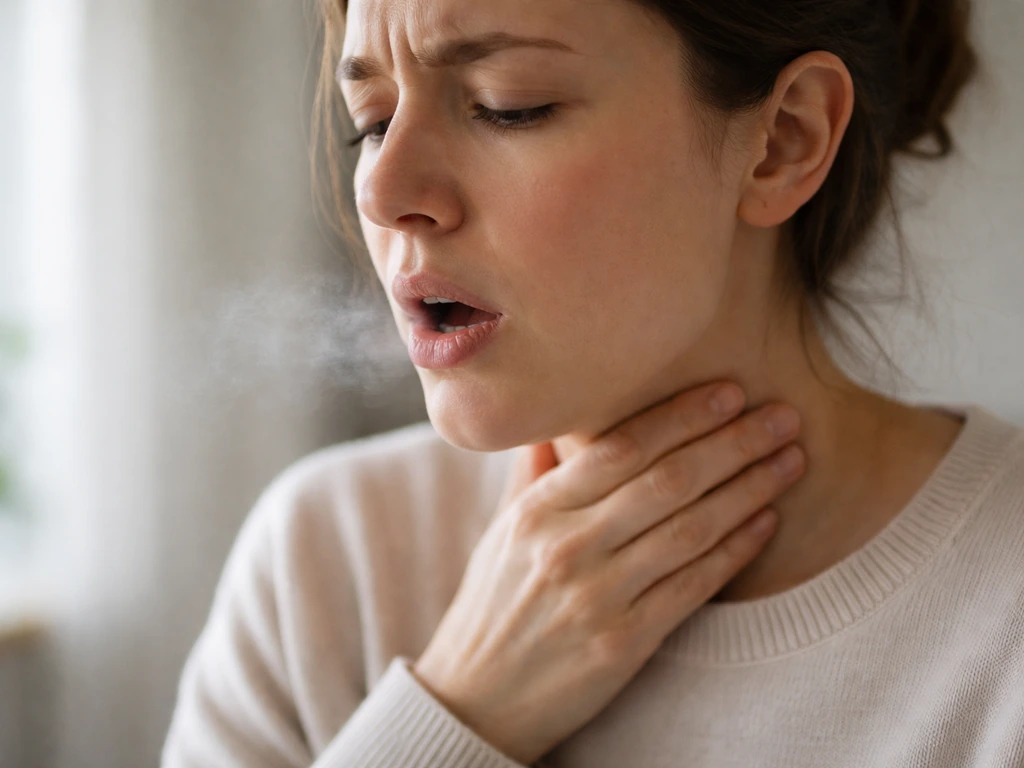
Throat itching or irritation, a tickling cough, and a sensation of mucus dripping down the back of the throat are common. Some people also notice hoarseness, especially with repeated or prolonged exposure.
Lungs and chest
This is where it gets more serious. Chest tightness, wheezing, and shortness of breath suggest the lower airways are involved, which can mean asthma is being triggered or, with heavier exposures in previously sensitized people, hypersensitivity pneumonitis. Bird allergens can lead to allergic rhinitis and asthma, and they can also trigger hypersensitivity pneumonitis through different immune pathways depending on exposure pattern and the person. The acute form of HP presents like a flu: cough, chest tightness, breathlessness, and sometimes fever, chills, and muscle aches, typically hitting 4 to 8 hours after a significant antigen exposure. If you felt fine after cleaning a nest and then felt unwell that evening, that delayed timing is the pattern to recognize.
Skin
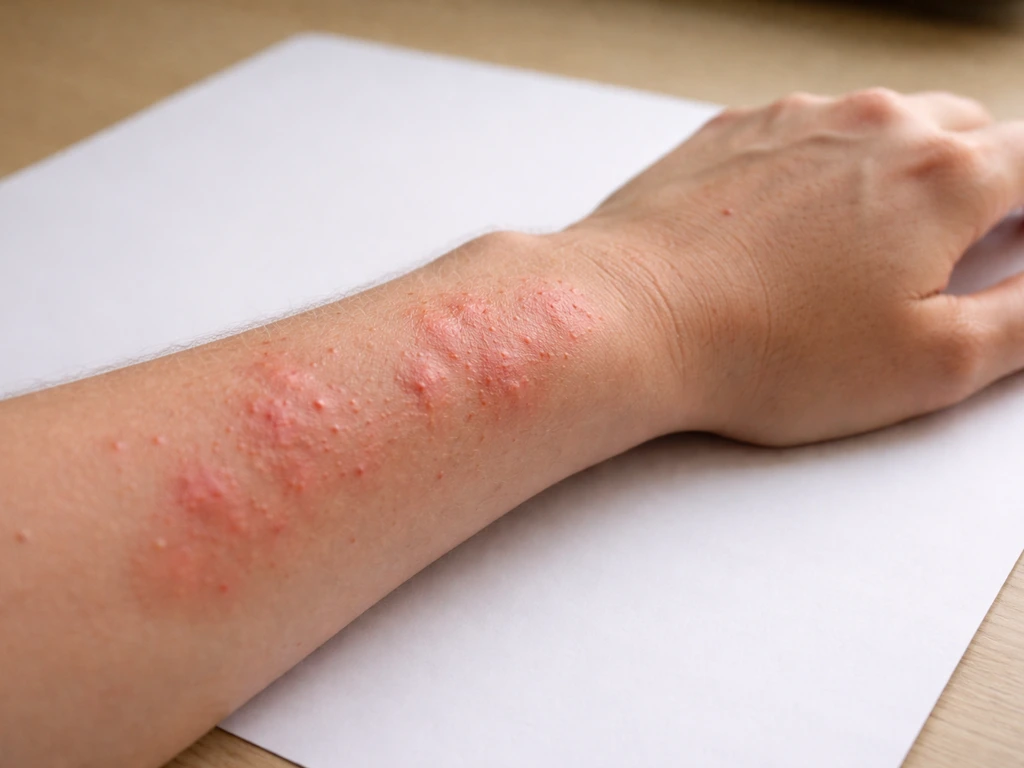
Direct contact with nesting material, feathers, or mites living in a nest can cause contact dermatitis, showing up as redness, itching, or a rash on the hands, forearms, or any exposed skin. Bird mites in particular can cause intense skin irritation and are sometimes mistaken for a skin condition rather than an environmental exposure. Bird ear infection symptoms in people can include pain, itchiness, redness, or discharge after exposure to contaminated bird environments intense skin irritation.
How fast symptoms start and what counts as an emergency
| Reaction type | Typical onset after exposure | Main symptoms |
|---|---|---|
| Allergic rhinitis / conjunctivitis | Minutes to 1 hour | Sneezing, runny nose, itchy eyes |
| Asthma flare | Minutes to 1 hour | Wheeze, chest tightness, shortness of breath |
| Acute hypersensitivity pneumonitis | 4 to 8 hours | Flu-like illness, cough, fever, breathlessness |
| Contact dermatitis / mite reaction | Hours to 1 day | Skin redness, itching, rash |
| Chronic HP (repeated low-level exposure) | Weeks to months (gradual) | Progressive breathlessness, fatigue, weight loss |
Most upper airway symptoms are uncomfortable but not dangerous. The situations that need urgent attention are different. Go to urgent care or an emergency room if you have severe shortness of breath that doesn't ease when you move away from the source, lips or fingertips turning bluish, chest pain, a high fever alongside breathing difficulty, or any sense that you can't get enough air. These can point to a serious acute HP episode, an asthma attack, or in rare cases a respiratory infection, all of which need professional assessment.
Allergy vs irritation vs actual bird-related illness: how to tell them apart
This distinction matters because the action you take differs. A true allergy involves an immune response to a specific protein. Irritation is a non-immune reaction to particulates, dust, or ammonia from droppings, and it tends to improve quickly once you're away from the source and doesn't recur at lower exposures the way allergies do. Infectious illness from bird contact is a third category entirely. Infectious illness from bird contact is a third category entirely, and bird bite infection symptoms can help you spot when a wound or bite may be involved.
Allergy clues: symptoms appear repeatedly at low or moderate exposures to birds or nests; symptoms improve with antihistamines; you may have other known allergies or asthma. Irritation clues: symptoms only happen with heavy dust exposure; they resolve within an hour or two of leaving the area; no eye/nasal involvement with minor exposures. Infection clues: fever, chills, muscle aches, or symptoms that persist and worsen over days even without ongoing nest exposure. In people, bird infection symptoms like fever, chills, and worsening illness over days can suggest a true infection rather than allergy. Fungal exposure (like Aspergillus, which can grow in nesting material) can cause infections in people with weakened immune systems, presenting differently from allergy.
It's also worth knowing that the same nest environment affecting you may be affecting a pet bird. Bird respiratory illness, including fungal infections, mites, and bacterial issues tied to poor nesting conditions, produces its own set of warning signs in birds. Recognizing symptoms of bird allergies and respiratory illness in your bird separately from your own symptoms helps you address both the human health issue and the bird health issue at the same time. More on the bird side below.
What to do right now to reduce your exposure safely
Before you do anything else, move away from the source. Fresh air and distance from the nest, cage, or dusty area is the single most immediate step you can take. Then work through the following:
- Ventilate the space: Open windows and doors if it's safe to do so, but don't use a fan that blows nest debris further into the room or toward an air intake.
- Don't disturb the nest further: Poking, sweeping, or vacuuming a dry nest stirs up the most concentrated particles. Leave it alone until you have the right protection.
- Use PPE before any contact: If you need to be near the nest for any reason, wear an N95 respirator (not a basic dust mask), disposable gloves, and eye protection. Long sleeves reduce skin contact with mites or feather particles.
- Change and wash your clothes: Antigen particles cling to fabric. Changing after nest exposure and washing clothes before re-wearing them reduces ongoing low-level exposure in your home.
- Run a HEPA air purifier: In the room where the nest is or was, a HEPA filter will catch airborne particulates. Keep the unit running for several hours after any disturbance.
- Document your symptoms: Note when symptoms started relative to nest exposure, how long they lasted, and what helped. This is genuinely useful information for a doctor if you need to seek care.
- Over-the-counter relief while you sort it out: A non-drowsy oral antihistamine (like loratadine or cetirizine) can help upper airway and eye symptoms. Saline nasal rinse can help clear irritants. If you have prescribed asthma medication, use it as directed. Don't delay seeking care if symptoms are worsening.
For wild bird nests on or in your home, check local regulations before removing them. Many active wild bird nests are protected, and removing them legally may require waiting until the nesting season ends and the birds have left. A pest control or wildlife professional can handle removal more safely than a DIY dry sweep, which generates the most airborne exposure.
When to see a doctor and what to bring up
See a doctor if: symptoms don't improve within a few hours of leaving the area; you're wheezing or having chest tightness; you develop a fever alongside respiratory symptoms; symptoms recur every time you're near a nest or bird cage; or symptoms are affecting your sleep or daily life. Don't wait on the fever-plus-breathlessness combination. That's the acute HP pattern and it warrants same-day evaluation.
When you're there, be specific about the exposure. Tell the doctor when the symptoms started relative to the exposure, the type of nest or bird involved, how much time you spent near it, and whether this has happened before. Ask directly about allergy testing (skin prick or specific IgE blood tests for avian antigens), lung function testing if you have chest symptoms, and whether hypersensitivity pneumonitis should be ruled out. For recurring symptoms, an allergist or pulmonologist is the right specialist depending on whether your symptoms are primarily upper airway or lung-focused.
If you have pet birds: nesting conditions and health red flags
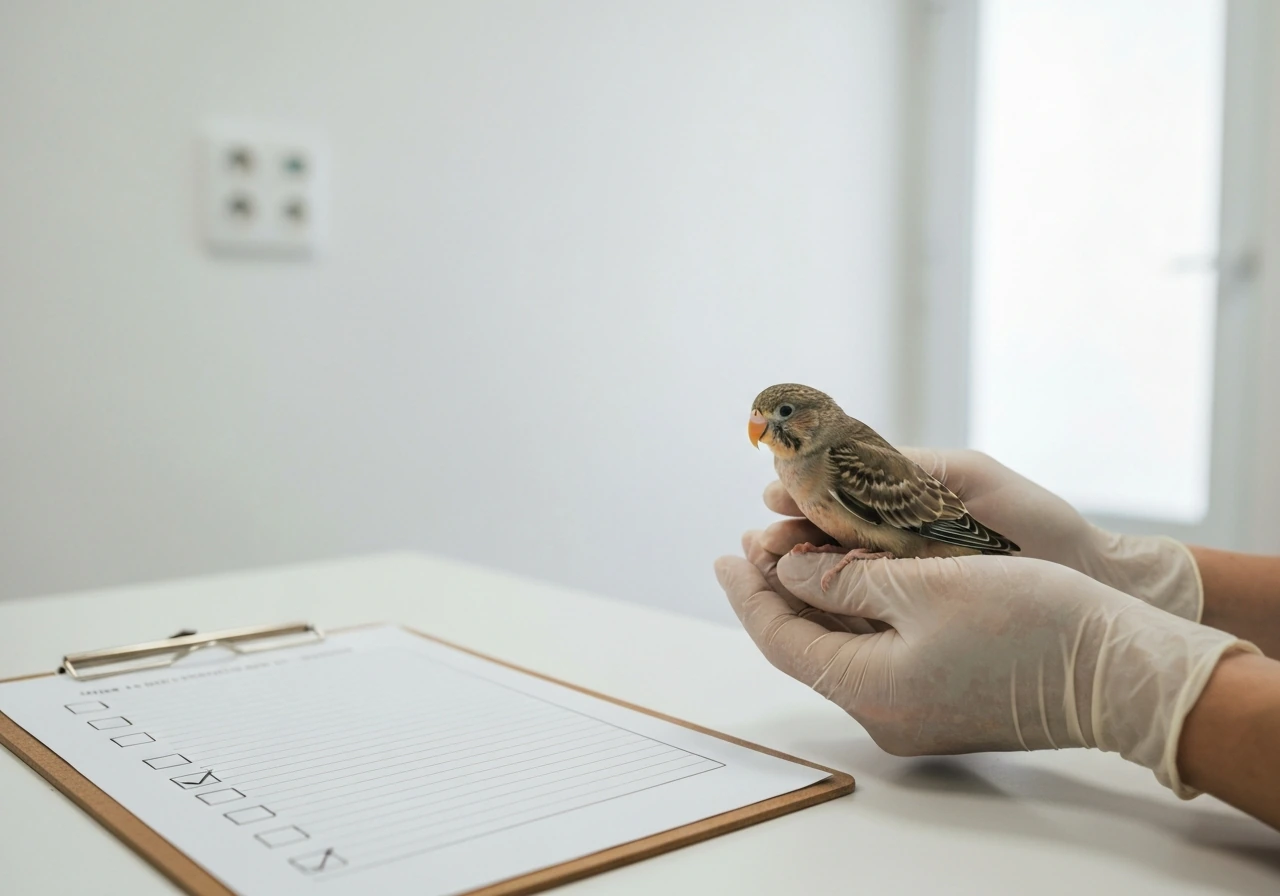
If your own symptoms flared around a pet bird's nesting area, it's worth checking the bird too. The same environment that's generating allergens for you (accumulated droppings, damp nesting material, mold, mites) can be making your bird sick. Hypersensitivity pneumonitis in birds can resemble COPD-like disease, and secondary bacterial or fungal infections may develop, making bird environments a source of both infectious and allergic triggers hypersensitivity pneumonitis and respiratory illness in pet birds. Hypersensitivity pneumonitis and respiratory illness in pet birds is documented, and birds in poor nesting conditions are at elevated risk for secondary bacterial and fungal infections.
Signs that warrant a vet call for your bird include: tail bobbing or labored breathing at rest, open-mouth breathing, nasal discharge or crusting around the nares, a change in voice or unusual quiet, fluffed feathers and lethargy, or any visible mites or unusual skin or feather condition. These are distinct from normal nesting behaviors and shouldn't be explained away as "just stress" without a checkup.
For safe cage and nesting area hygiene, follow CDC guidance on bird cage cleaning: don't handle droppings with bare hands, use gloves and ideally an N95 when cleaning, wet the surface before wiping to prevent dust from going airborne, and wash hands thoroughly afterward. Replace nesting material regularly rather than letting it accumulate. Improving cage ventilation and reducing humidity helps limit mold growth in nesting materials, which benefits both you and the bird.
If you've had repeated respiratory symptoms around your bird's nesting area and the bird is also showing breathing changes, mention both to the vet. The overlap in environmental conditions means addressing the bird's health and your own exposure at the same time is more effective than handling them separately.
FAQ
How can I tell bird nest allergy symptoms from simple irritation or “just being dusty”?
Yes. Irritation from nest dust can mimic allergy, but true IgE allergy often includes eye or nasal symptoms (itching, watery eyes, sneezing, runny nose) and tends to reappear with lower or moderate exposures. If you only react after heavy dust exposure and get rapid relief within an hour or two of leaving, that points more toward non-allergic irritation than “bird nest allergy symptoms.”
Do antihistamines help when I have bird nest allergy symptoms?
If symptoms are mostly upper airway (itchy eyes, sneezing, runny nose) and you can clearly avoid the source, over-the-counter antihistamines may help. If you have chest tightness, wheezing, or shortness of breath, don’t rely on antihistamines alone, because lower airway inflammation needs medical assessment. Also, if symptoms recur at similar exposures, that pattern supports an allergic or hypersensitivity process rather than one-time irritation.
Why did my breathing symptoms show up hours after I left the nest area?
Hypersensitivity pneumonitis can be delayed, often showing up 4 to 8 hours after a significant exposure, and it may start like a flu (cough, breathlessness, sometimes fever, chills, body aches). If you feel better immediately after leaving and then get worse later that day, that delayed timing is a key clue to seek prompt evaluation.
What should I do if my bird nest allergy symptoms flare while I’m cleaning?
If you clean up droppings or nests and symptoms flare during the task, treat that as evidence of airborne particle exposure. Stop the work, move to fresh air, and avoid dry sweeping because it increases inhalable dust. For future cleanups, use gloves, damp-wipe surfaces, and consider a properly fitted respirator rather than a loose mask.
Will a HEPA air purifier prevent bird nest allergy symptoms when there are nests inside a home?
If you use a home HEPA filter, it can reduce airborne particles, but it will not fix ongoing exposure if the source is still generating dust or spores. Use it as an add-on after you move away from the source, and keep doors/windows closed during cleanup and for a period afterward to limit particle spread.
Can bird nest allergy symptoms actually be caused by mold or fungi from the nest?
Mold and fungi from damp nesting material are a common contributor. If you notice musty odor, visible growth, or symptoms that worsen in damp conditions, mention mold exposure specifically to your clinician, especially if you have fever, chills, or worsening cough after exposure, since this changes the likely differential.
If I have asthma, are bird nest allergy symptoms more likely to become dangerous?
In people with asthma, bird-related exposures can trigger bronchospasm. If you already carry a rescue inhaler, have it available and follow your action plan, but still arrange medical evaluation when you get wheezing or chest tightness after nest exposure. Recurrent episodes can mean your asthma needs adjustment or that hypersensitivity pneumonitis should be ruled out.
Can bird nest allergy symptoms appear mainly as a skin rash instead of breathing issues?
Yes. Some people only get symptoms when they touch or handle feathers, nesting material, or contaminated bedding, and they may not have eye or nasal symptoms. This pattern fits contact dermatitis and often looks like localized itching, redness, or rash on exposed skin, and it may improve when you stop handling materials and avoid skin contact.
What details should I record to help a doctor diagnose my bird nest allergy symptoms?
Keep track of timing, what you were exposed to (wild nest, pet cage, bedding/feather products), and the route of exposure (inhalation, skin contact). For example, write down symptom onset time after exposure and whether it improves quickly with distance. This makes it much easier for clinicians to distinguish allergic rhinitis, asthma flare, and hypersensitivity pneumonitis.
Are there any higher-risk groups where I should act sooner for bird nest allergy symptoms?
If you are immunocompromised, pregnant, or have chronic lung disease, take reactions more seriously even if they start mild, because fungal and hypersensitivity-related illnesses can behave differently. In these cases, contacting a clinician promptly when respiratory symptoms appear is safer than waiting for symptoms to “pass.”
Bird Infection Symptoms Checklist: What to Watch for Now
Checklist for bird infection symptoms: systemic, respiratory, digestive, neurologic signs plus urgent vet triggers and i