
Birds don't have external ear flaps, so ear problems can be easy to miss until the signs become obvious. The most common symptoms of a bird ear infection include repeated head shaking, scratching or rubbing the side of the face, tilting the head to one side, visible swelling or redness near the ear opening, a bad smell coming from the ear area, and sometimes a discharge.
Bird Ear Infection Symptoms: Signs, Causes, and Next Steps

Marcus Webb
29 May 2026
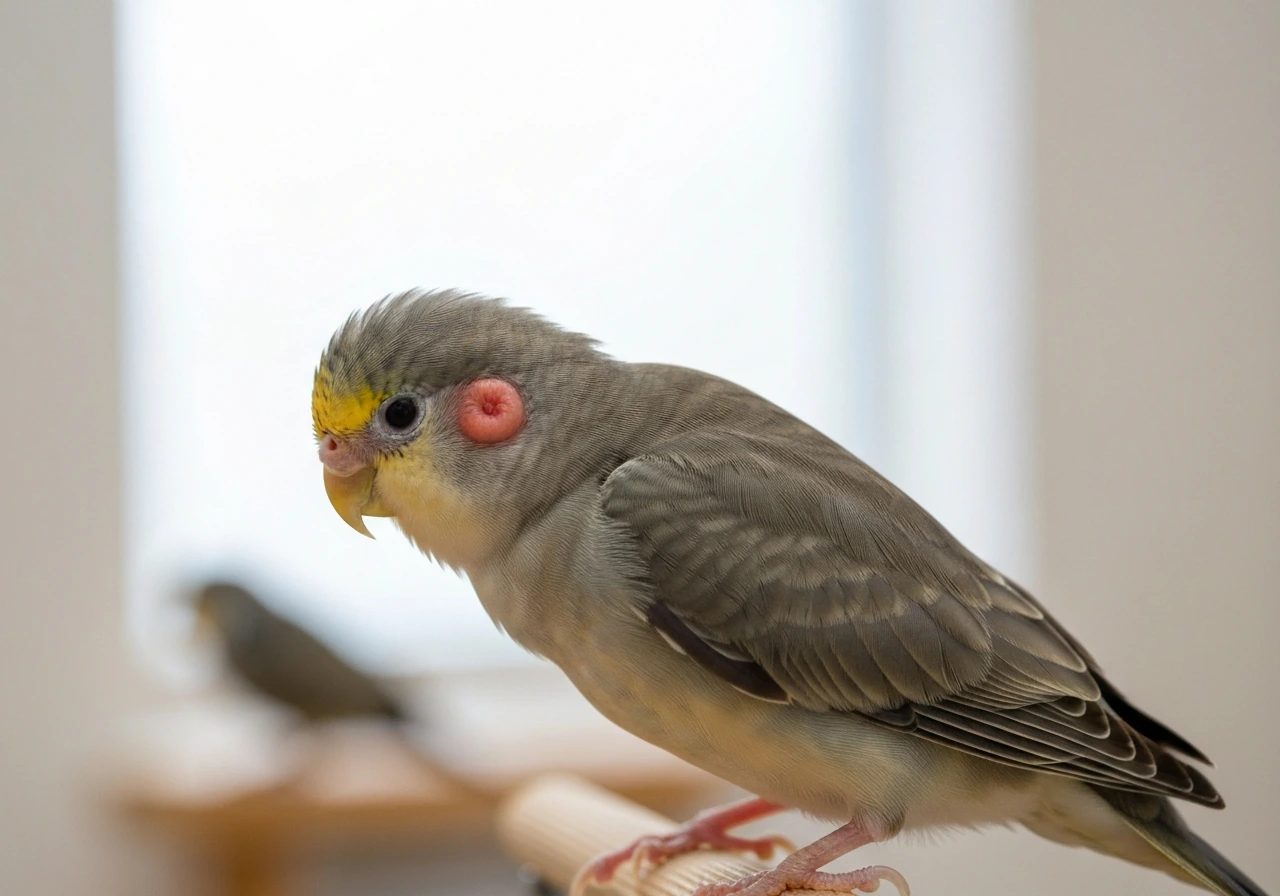
These bird aspiration symptoms can be easy to miss at first, so monitor for worsening breathing or unusual behavior and get veterinary guidance promptly symptoms of a bird ear infection. You might also notice your bird acting quieter than usual, eating less, or seeming off-balance. These signs can overlap with sinus infections, mite infestations, and respiratory illness, which is why knowing what to look for and when to call a vet matters.
What a bird ear infection usually looks like
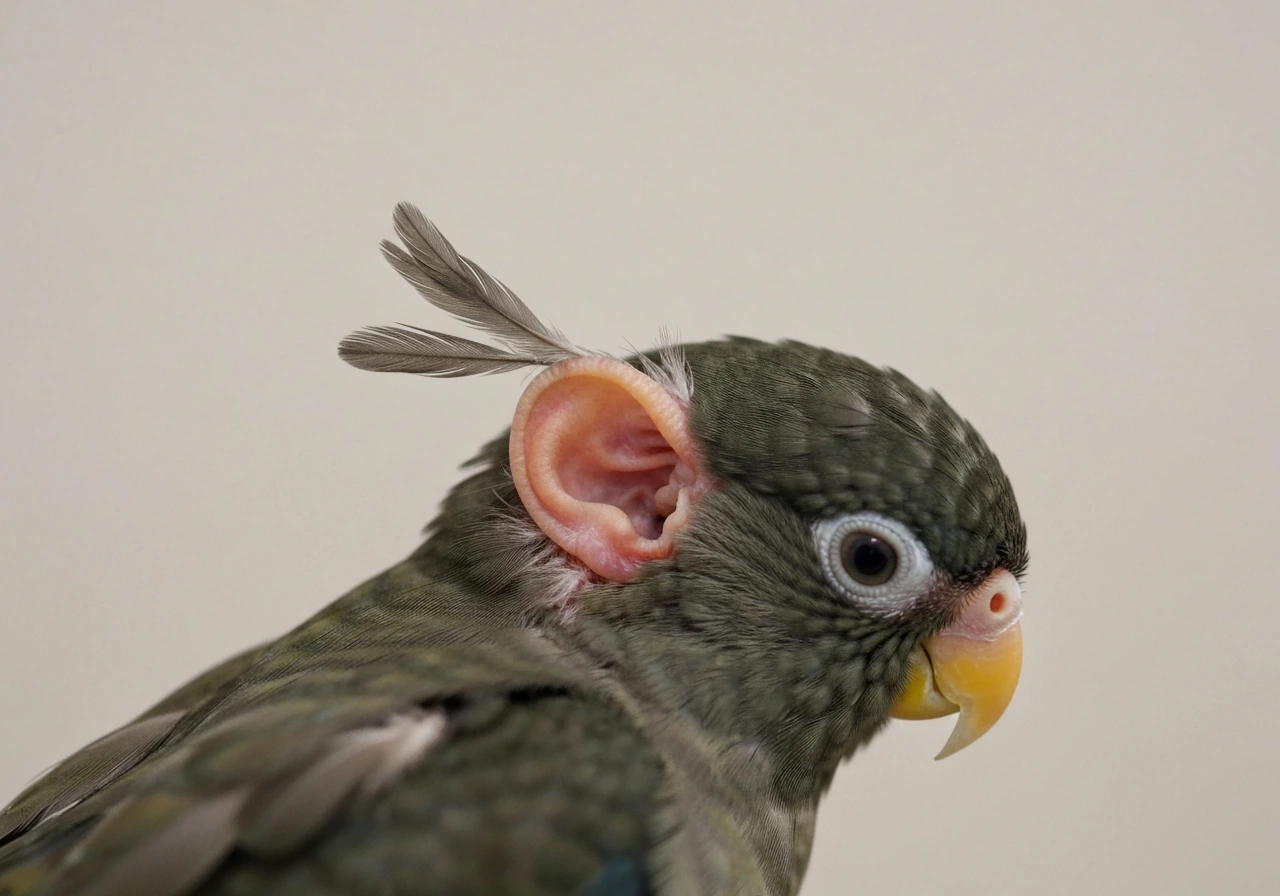
A bird's ear is a small, feather-covered opening on the side of the head, usually just behind and below the eye. You won't see a floppy outer ear like on a dog or cat, which makes spotting problems a bit harder. When the ear canal or surrounding tissue becomes inflamed or infected, the bird will typically respond to the discomfort in a few predictable ways.
The classic signs cluster together: head shaking, scratching at the side of the face (sometimes using a foot, sometimes rubbing against a perch or the cage bars), and a head tilt that stays consistent rather than being a one-off move. If you get close, you might notice redness or swelling at the ear opening, and in more progressed cases there can be visible discharge or a noticeable odor. Edema and erosion around the ear canal can also occur as the inflammation worsens.
Because the head and sinuses are so closely connected in birds, an ear-area infection can sometimes come with sneezing, nasal discharge, or puffy tissue around the eyes. That overlap is why owners often describe what turns out to be a sinus issue as an ear infection, or vice versa. The location and pattern of the symptoms are what help narrow things down.
Symptom checklist and behavior changes to watch for
Run through this list and note which signs apply. The more boxes checked, the more urgently your bird needs professional attention.
- Repeated head shaking that isn't linked to a specific trigger like misting or eating
- Persistent head tilt, especially if one side of the head is consistently held lower
- Scratching or rubbing the side of the face, ear area, or around the eye
- Visible redness, swelling, or puffiness near the ear opening or surrounding feathers
- Discharge (wet, crusty, or dried) at or near the ear canal
- Bad odor coming from the ear area or one side of the face
- Feathers that look wet, matted, or missing around the ear
- Loss of balance, stumbling, or difficulty perching steadily
- Sneezing or nasal discharge alongside head/ear symptoms
- Puffed-up feathers, reduced activity, or unusual quietness
- Reduced appetite or interest in treats
- Sensitivity or flinching when you approach the side of the face
A single sign like occasional head shaking isn't an emergency on its own. Birds shake their heads for all sorts of normal reasons. It's the combination of signs, and signs that persist or worsen over 24 to 48 hours, that should push you toward calling a vet. Allergies can also involve the respiratory tract and eyes, so your bird may show symptoms beyond the ear area symptoms of bird allergies.
How to tell it apart from mites, sinus infections, and injuries
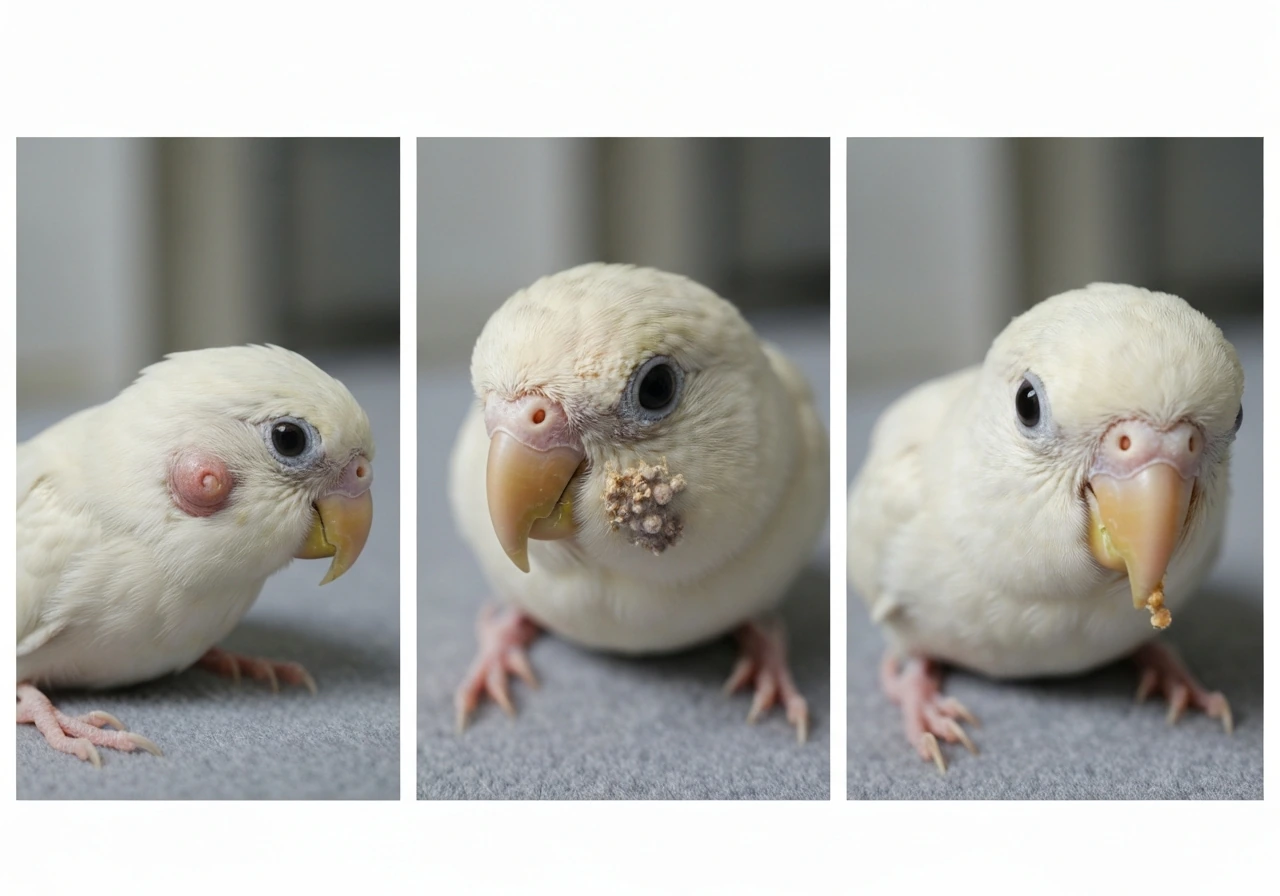
This is where careful observation really pays off, because a few conditions look similar at first glance but have different causes and need different treatment. If you suspect allergies, look for recurrent itching, sneezing, or watery eyes that can flare without a clear infection source bird allergy symptoms.
Scaly face mites (Knemidocoptes)
Scaly face mite disease is probably the most common reason an owner thinks their bird has an ear problem when something else is going on. These mites create pale, crusty, honeycomb-like lesions that typically show up on the beak, cere (the fleshy area above the beak), and around the eyes. The itching and irritation can cause head rubbing and face scratching that mimics ear infection behavior.
The key difference: mite lesions are visible as dry, scaly, structured crusting on the beak and face surfaces, not confined to or originating from the ear canal itself. If you see those distinctive pale, pitted crusts spreading from the beak area, mites are the more likely culprit. A vet confirms this with a simple skin scraping viewed under a microscope.
Sinus infection or upper respiratory infection (URI)
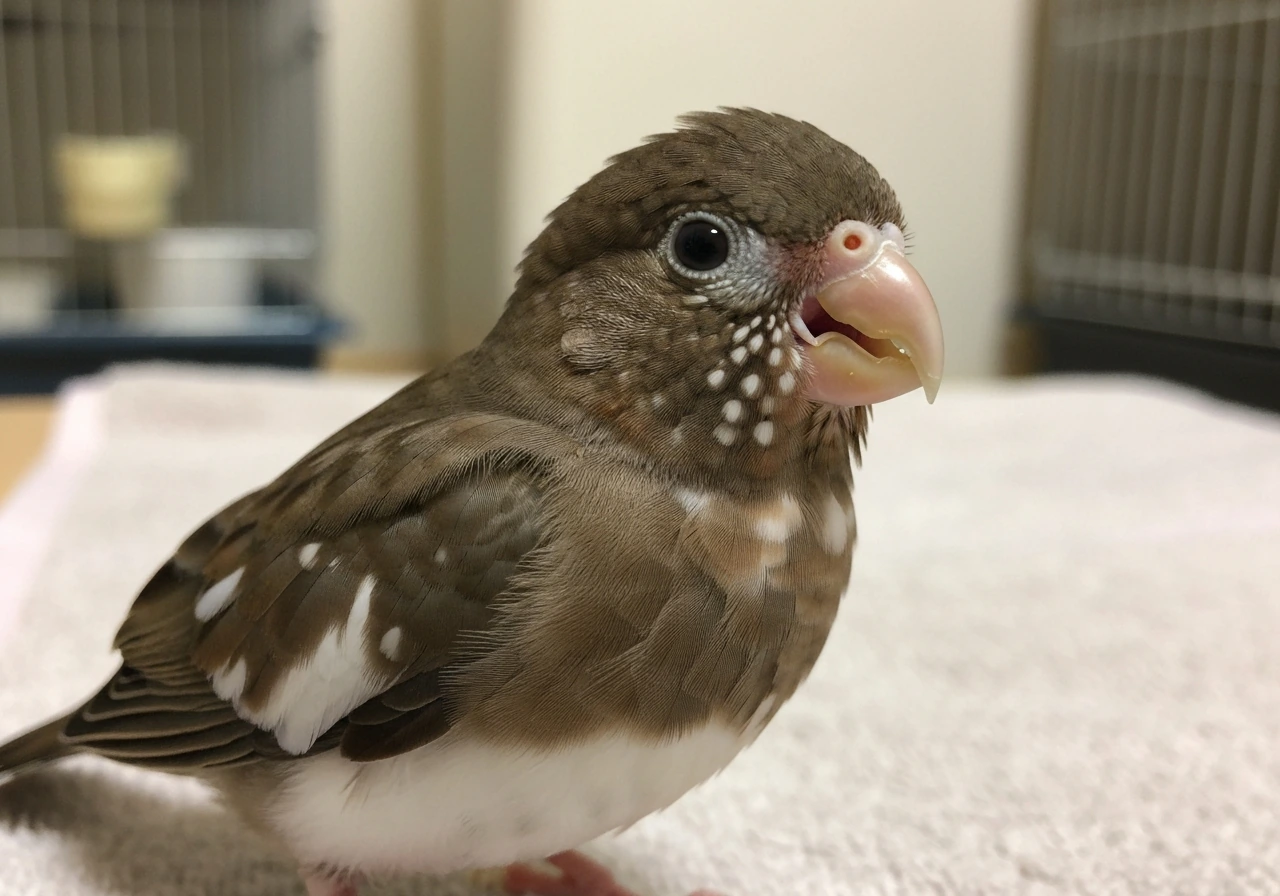
Sinusitis and URIs in birds frequently cause periocular swelling (puffiness around the eyes), nasal discharge, sneezing, and noisy breathing. Because the sinuses sit so close to the ear region in birds, a sinus infection can make it look like there's an ear problem. The distinguishing clues here are discharge from the nares (nostrils) or eyes, sneezing fits, and audible breathing changes.
If you suspect a bird dander allergy, watch for symptoms like sneezing, watery eyes, and skin irritation that can mimic other issues bird dander allergy symptoms. An ear infection is more likely to produce localized ear-area discharge and odor with less obvious respiratory involvement. That said, both conditions can coexist, which is another reason a vet exam beats guessing at home.
Trauma or injury
Head trauma or a puncture wound near the ear can cause sudden-onset swelling, sensitivity, and behavioral changes that look like infection. The difference is usually the history: did something happen recently? A fall, a collision, a bite from a cage mate? Trauma-related swelling tends to appear quickly after an event, while infections usually build over days. Active bleeding, sudden weakness, or neurological signs after a physical incident are immediate emergency situations that need a vet right away. Bird bite wounds can sometimes lead to infection, so knowing the bird bite infection symptoms helps you decide when to seek urgent care.
Quick comparison
| Condition | Key distinguishing signs | Typical location of changes |
|---|---|---|
| Ear infection (otitis externa) | Ear discharge, odor, localized swelling at ear canal, head shake/tilt | Ear opening and surrounding area |
| Scaly face mites | Pale honeycomb crusts, dry scaly lesions, no true discharge | Beak, cere, eye margins, face surfaces |
| Sinus/upper respiratory infection | Nasal discharge, sneezing, periocular swelling, respiratory sounds | Nares, eyes, face (bilateral often) |
| Trauma/injury | Sudden onset, possible bleeding, bruising, weakness | Site of impact, may be one-sided |
A quick at-home assessment you can do today
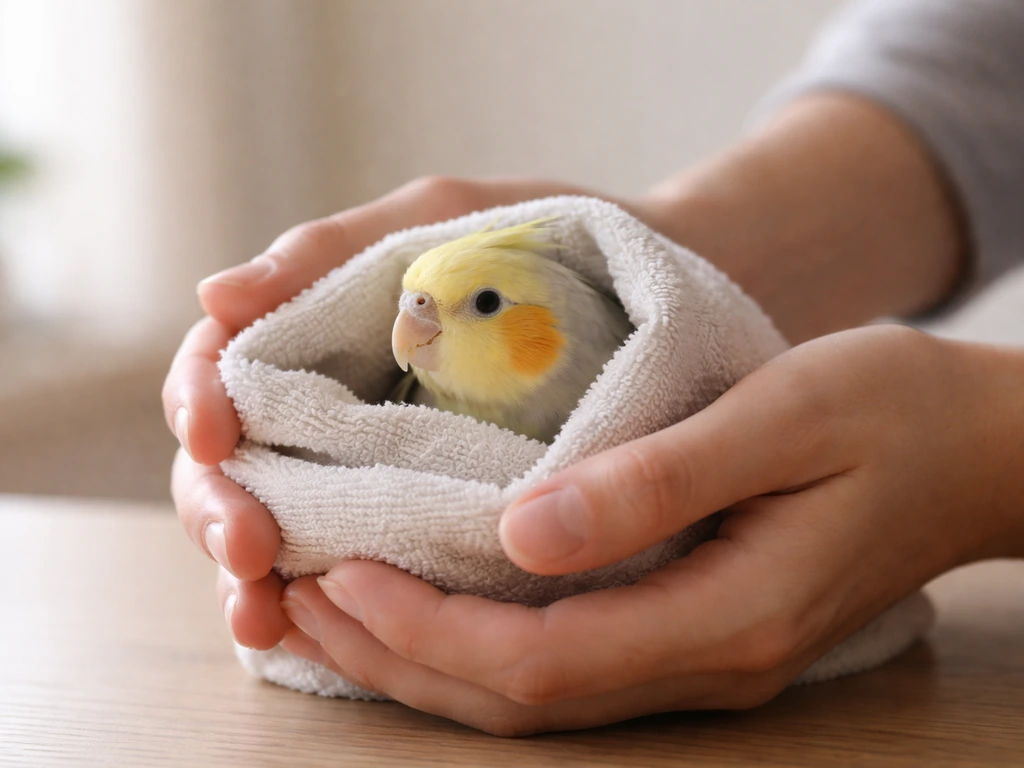
You're not diagnosing anything here, but a calm, systematic look at your bird right now gives you better information before you call a vet or avian clinic.
- Find good lighting and get your bird to a calm, still position. You can do this while the bird is on a familiar perch or hand.
- Look at the ear opening on both sides. Bird ear openings are small feather-covered holes behind and slightly below the eye. Gently part the feathers if you can do so without stressing the bird. Look for redness, swelling, discharge, or missing feathers in that spot.
- Check the beak and cere for crusty, scaly deposits. Pale, pitted crusting on the beak surface or cere points more toward mites than an ear canal infection.
- Look at the area around both eyes. Puffiness, discharge, or asymmetry (one eye area looks different from the other) can indicate a sinus problem or suggest the infection is spreading.
- Watch the breathing for 60 seconds. Is the tail bobbing in time with each breath? Is the beak open? Any audible clicks, wheezes, or rasping? These are separate from ear problems and are urgent signs.
- Note whether the head tilt or shaking is constant, getting worse, or only occasional. Write down when you first noticed it and what other signs appeared at the same time.
- Check if the bird is eating and drinking. A bird that has stopped eating entirely is always a higher-priority concern.
This assessment takes about five minutes and gives you a clear picture of what you're dealing with before the vet asks. The goal is observation, not intervention at this stage.
When to call an avian vet immediately
Some situations shouldn't wait for a scheduled appointment. These signs mean you should be on the phone with an avian vet or emergency clinic today. The AAV’s “Signs of Illness in Companion Birds” lists discharge from the nares, eyes, or mouth and labored breathing or abnormal respiratory sounds as red flags to seek a visit “Signs of Illness in Companion Birds” red flags like discharge and abnormal breathing.
- Open-mouth breathing, tail bobbing with each breath, audible wheezing or clicking, or any obvious respiratory distress
- Complete loss of balance, falling off the perch, or unable to stay upright
- Seizure-like movements or neurological signs (twitching, extreme uncoordinated movements)
- Severe swelling that appears to be growing or is visibly distorting the face or head
- Thick, copious, or bloody discharge from the ear area, nares, or eyes
- Bird has not eaten in 24 hours or more
- Extreme lethargy: bird is fluffed up, eyes closed frequently, not responding normally to you
- Active bleeding that doesn't stop within a few minutes
- Sudden worsening of head tilt or loss of coordination that appeared quickly
Birds hide illness well and can deteriorate fast. If you're watching several of the above signs together, don't wait to see if things improve on their own. A bird that looks like it's struggling to breathe or can't keep its balance is in distress that needs professional attention now, not tomorrow.
Safe supportive care vs. things you should avoid
While you're waiting for a vet appointment or deciding whether to go today, there are things you can safely do to keep your bird comfortable, and a few things that can make the situation worse.
What's safe to do
- Keep the environment warm, quiet, and low-stress. Reduce handling and social interaction temporarily so the bird can rest.
- Make sure fresh water and favorite foods are easily accessible (lower perches if balance is affected).
- Keep the cage and surrounding area clean and dry. Moisture and debris around the face can worsen irritation.
- Monitor and document: write down the symptoms you see, when they started, and how they're changing. This is genuinely useful for the vet.
- Separate the bird from cage mates if there's any scratching or aggression that could worsen a wound or cause additional stress.
- Keep the bird away from drafts, smoke, aerosols, strong scents, and airborne irritants while it's unwell.
What to avoid
- Do not put Q-tips, cotton swabs, or any objects inside your bird's ear canal. Bird ear canals are tiny, and probing them without training causes injury.
- Do not use over-the-counter ear drops, human ear medications, or any topical product in or around the ear unless a vet has specifically told you to.
- Do not give your bird any human medications or over-the-counter antibiotics. These can be toxic to birds at doses that seem small.
- Do not force food or water if the bird is not eating on its own.
- Do not attempt to scrape off or pick at crusty lesions, whether they turn out to be mites or infection-related.
- Do not assume the problem will resolve without treatment. Ear and head-area infections in birds typically need prescription medication to clear properly.
The goal of supportive care is to keep your bird stable and as comfortable as possible until you can get proper diagnosis and treatment. It's not a substitute for a vet visit.
What vets typically diagnose and treat
When you bring your bird in with ear or head-area symptoms, the vet won't just take a quick look and hand over medication. Because several different conditions can cause similar signs, the diagnostic process is methodical.
The vet will start with a physical examination of the head, face, ear opening, nares, eyes, and throat, taking note of where the abnormalities are located and how they're distributed. If there's discharge at the ear canal, a swab will typically be taken for cytology, which means looking at the cells and any organisms under a microscope. This helps identify whether bacteria, yeast, or another organism is involved, and guides the right treatment. In some cases where there's significant swelling or pain, sedation may be needed to properly examine the ear canal by otoscope.
If mites are suspected based on the lesion pattern, the vet will take a skin scraping from the affected area and examine it under a microscope to confirm or rule out Knemidocoptes mites. If a sinus or upper respiratory infection seems likely, nasal and choanal swabs for cytology or culture may be collected to identify the pathogen.
Treatment depends entirely on what the diagnosis is. Confirmed bacterial ear infections typically require prescription topical or systemic antibiotics. Fungal involvement may mean antifungal medication. Mite infestations are treated with an appropriate antiparasitic, usually prescribed by the vet after confirming the diagnosis microscopically. Sinus infections may need a combination of antibiotics and supportive care. The vet may also perform a professional flush or cleaning of the ear canal if there's significant discharge or debris, something that absolutely should not be attempted at home.
One realistic expectation: treatment for ear and head-area infections in birds often takes several weeks. Follow-up appointments to reassess whether the infection has cleared are common, and stopping medication early because the bird looks better is a frequent cause of relapse. Stick with the full treatment course the vet prescribes.
It's also worth noting that ear symptoms in birds can sometimes be connected to broader health issues, including general bird infection symptoms that affect multiple body systems. If your bird shows respiratory signs alongside the ear or face symptoms, that broader picture matters and will factor into the vet's assessment. MSPCA-Angell also lists upper respiratory disease signs such as open-mouth breathing, increased respiratory rate, facial or periocular swelling, and oculonasal discharge [periocular swelling, nasal discharge, sneezing, and noisy breathing](https://www.
mspca. org/angellservices/avian-respiratory-emergencies/). Bird dust allergy symptoms can also cause sneezing and breathing changes, so it's important to consider allergens if infections and mites seem unlikely respiratory signs. If you are also dealing with skin or breathing symptoms after exposure to birds, it may be related to bird dander allergy symptoms rather than an ear infection.
FAQ
Can a bird ear infection be mistaken for an ear problem caused by something else?
Yes. In birds, face and ear-area behaviors overlap with mites, sinusitis, URIs, allergies, and even trauma. The key is to look for the symptom pattern and where discharge or odor appears, if it starts at the beak and spreads on the face it points more toward scaly face mites than an ear canal infection.
How long should I wait before calling a vet for bird ear infection symptoms?
If symptoms persist or worsen over 24 to 48 hours, call an avian vet. If you see breathing difficulty, inability to balance, heavy head tilt with progressive weakness, bleeding, or neurological signs, seek emergency care immediately rather than waiting for a routine appointment.
Is occasional head shaking ever normal in birds?
It can be. Brief, one-off shaking may be grooming or irritation, especially after bathing or contact with dust. What makes it concerning is persistence, pairing with facial scratching, a consistent head tilt, swelling at the ear opening, odor, or discharge.
What should I avoid doing at home if I suspect an ear infection?
Avoid flushing the ear canal, inserting tools, or applying human ear drops. Birds can aspirate fluids, and some medications can irritate tissues or cause harm if the cause is fungal, viral, mite-related, or due to trauma.
Why does the vet sometimes use swabs or scraping instead of just looking at the ear?
Because similar signs can come from different organisms. Ear-area samples can identify whether bacteria, yeast, or other pathogens are present, and mite diagnosis requires microscopic confirmation. This prevents treating the wrong cause and helps avoid relapse from incomplete treatment.
Can ear symptoms happen alongside breathing problems without it being a primary respiratory infection?
Yes, ear-area inflammation can coexist with respiratory involvement since the head and sinuses are closely connected. Still, breathing noise, nasal discharge, and repeated sneezing suggest the vet should also investigate URIs or sinusitis, not only the ear.
Are there any clues that point to mites rather than an ear infection?
Look for pale, crusty, honeycomb-like or scaly lesions on the beak, cere, and around the eyes. Mite irritation often drives face scratching that looks similar to ear discomfort, and the lesions are usually visible on the facial surfaces rather than originating at the ear opening.
If the bird seems a bit better after starting treatment, can I stop early?
No. Relapse is common when medication is stopped once symptoms improve. Follow the full schedule your vet prescribes, and attend follow-up checks since several ear and head-area conditions take weeks to fully clear.
Should I separate or isolate my bird if I suspect an ear infection?
If you have multiple birds, separate any bird that is symptomatic while you arrange a vet visit, mainly to prevent fighting, bites, and worsening trauma. Also watch for cage-mate biting behavior, since injuries near the ear can mimic infection and lead to secondary infection.
What supportive care is safest while waiting for the vet?
Keep the environment calm and warm, reduce dust and strong scents, and ensure easy access to food and water. Avoid forcing medications or home cleaning into the ear canal, and monitor breathing and balance closely during the waiting period.
Next Article
Bird Dander Allergy Symptoms: What to Look For and Next Steps
Know bird dander allergy symptoms by body system, triggers, and at-home steps plus when to see a clinician.