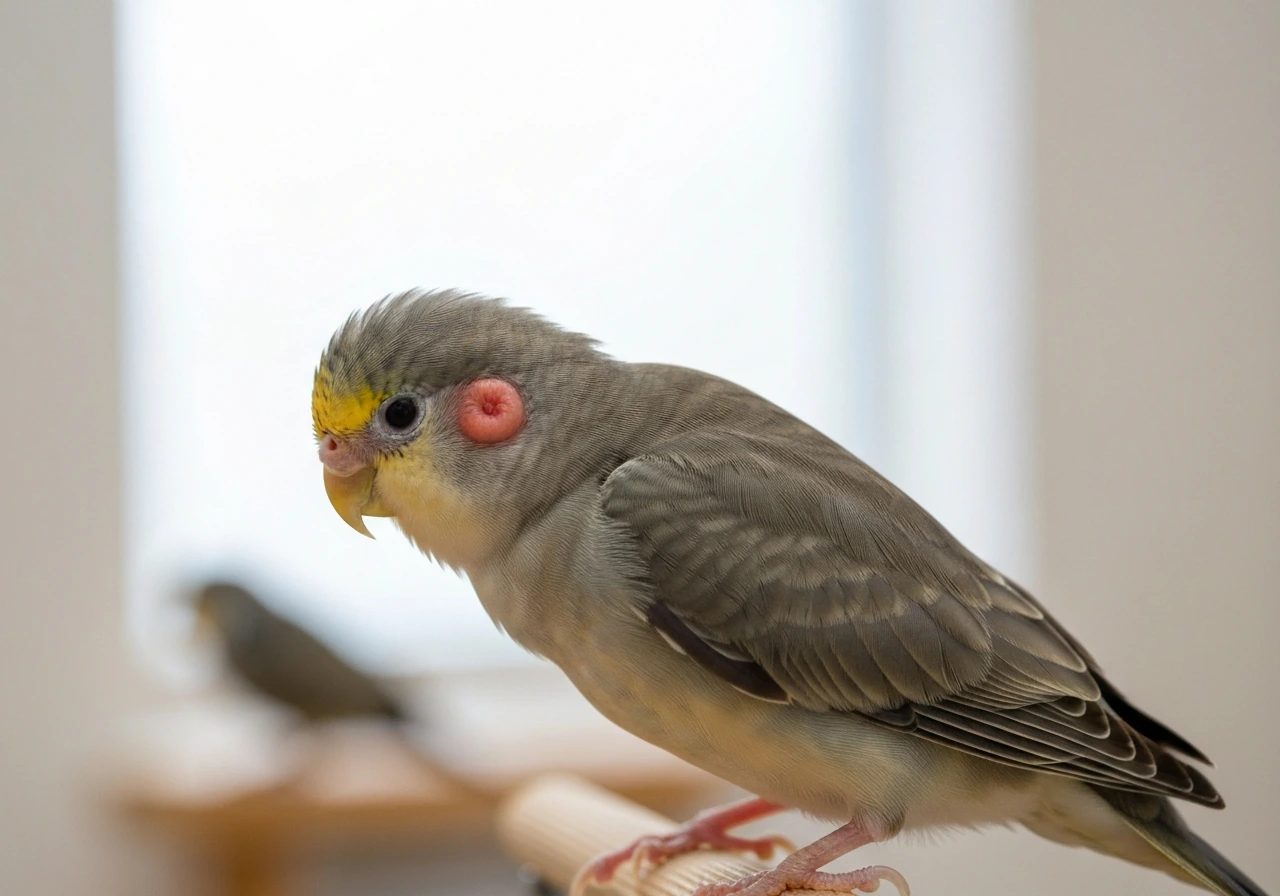
Bird dust allergy symptoms most commonly show up as sneezing, a runny or stuffy nose, itchy and watery eyes, throat irritation, coughing, and wheezing. They're triggered by airborne proteins from bird dander, feathers, dried droppings, and feather dust that you breathe in during or after bird contact. Most people notice symptoms within minutes of exposure, though some develop them gradually over weeks or months of regular close contact with birds.
Bird Dust Allergy Symptoms: Signs, Red Flags, and Relief

Marcus Webb
31 May 2026

What bird dust allergy actually is
When a bird moves around its cage or preens its feathers, it releases a fine cloud of particles into the air. Those particles carry proteins from feathers, dander, dried droppings, and even dried serum proteins that have settled on feathers or cage surfaces. When you inhale those proteins, your immune system can identify them as threats and trigger an allergic response.
This isn't unique to one species. Parrots, cockatiels, cockatoos, pigeons, doves, finches, canaries, and even chickens all produce allergenic dust. Cockatoos and cockatiels are particularly heavy powder-down producers, which makes them some of the most common culprits. Pigeon droppings specifically contain a protein called pigeon intestinal mucin that's a well-known allergen and can remain airborne as dried dust long after fresh droppings have dried out.
The allergy itself is an IgE-mediated reaction, meaning your immune system makes antibodies against those bird proteins. Each time you're re-exposed, your body releases histamine and other chemicals that cause the classic allergy symptoms. This is different from a respiratory infection or a more serious condition called hypersensitivity pneumonitis, which matters a lot when you're trying to figure out what's actually going on.
The most common symptoms after bird dust exposure
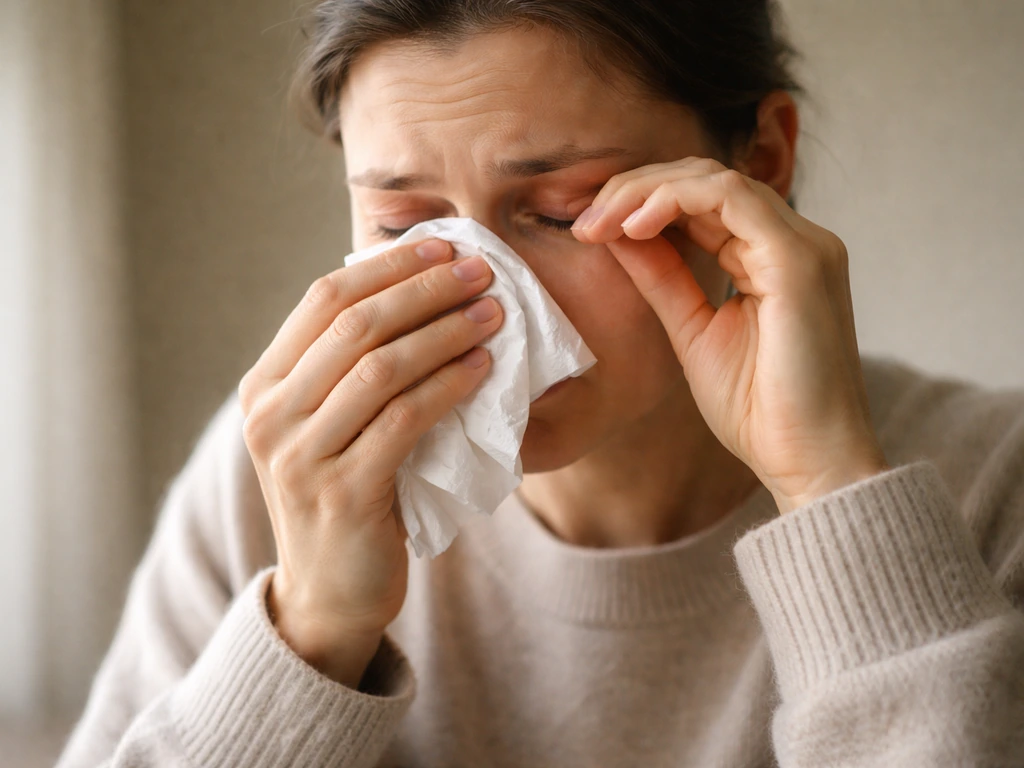
The symptoms tend to cluster around your nose, eyes, throat, and lungs. Here's what most people experience: Bird aspiration symptoms can also develop after exposure, so pay attention to signs like coughing, choking, or shortness of breath that seem linked to breathing in dust.
- Frequent sneezing, often in rapid bursts after entering a room with birds
- Runny nose or post-nasal drip (clear, watery mucus is typical)
- Nasal congestion or a blocked nose that eases when you leave the bird environment
- Itchy, watery, or red eyes (allergic conjunctivitis)
- Itchy or irritated throat
- A dry, persistent cough that lingers after exposure
- Wheezing or a high-pitched sound when breathing out
- Chest tightness or a feeling of mild breathlessness
- Skin reactions like hives or eczema flare-ups in people with skin sensitivities
The pattern that makes bird dust allergy recognizable is that symptoms tend to appear during or shortly after bird contact and improve when you're away from the bird environment for a day or two. If your nose clears up on weekends when you're away from a bird at work, or flares when you clean the cage, that timing is a strong clue.
How these symptoms overlap with other bird-triggered respiratory issues
This is where things get genuinely confusing. Bird dust doesn't just cause allergies. It can also trigger or worsen asthma, irritate airways even without a true allergy, and in some cases contribute to a more serious inflammatory lung condition. The symptoms across all of these can look very similar on the surface.
Bird dust allergy vs. asthma exacerbation

If you have pre-existing asthma, bird dust allergens can trigger a flare that goes well beyond a runny nose. Wheezing, chest tightness, and shortness of breath that get noticeably worse around birds may indicate your asthma is being driven by a bird allergy. Some people develop asthma in the first place after prolonged bird exposure, even if they had no prior history.
Bird dust allergy vs. hypersensitivity pneumonitis
Hypersensitivity pneumonitis (sometimes called bird-fancier's lung) is a different and more serious condition. It's an inflammatory reaction deep in the lung tissue triggered by inhaling bird excreta, serum proteins, and the proteinaceous dust that comes off birds and dried droppings. Unlike a standard allergy, it involves the lung tissue itself rather than just the upper airways. Early symptoms can mimic a bad allergy or a respiratory infection: coughing, breathlessness, fatigue, and sometimes fever or chills a few hours after heavy exposure. The key difference is that it doesn't respond to antihistamines, and symptoms like persistent shortness of breath, reduced exercise tolerance, and fatigue don't fit the typical allergy pattern.
Bird dust allergy vs. respiratory infection
Respiratory infections from bird-related exposures are a separate concern that's covered in more detail elsewhere on this site. Because bird exposure can also lead to ear irritation and infection, it helps to know the bird ear infection symptoms to watch for. What's worth knowing here is that a true infection typically involves fever, colored mucus, body aches, and symptoms that don't improve just by leaving the bird environment. An allergy will usually improve within hours to a day or two away from the source. If symptoms persist regardless of exposure, infection or another condition becomes more likely. Because symptoms can also overlap with bird infection symptoms, persistent or worsening signs should be evaluated rather than treated as “just allergy”.
Red flags: when it's probably more than a simple allergy

Most bird dust allergies are uncomfortable but manageable. These warning signs mean you should seek medical attention sooner rather than later:
- Shortness of breath that doesn't quickly resolve when you leave the bird area
- Wheezing that persists for hours or doesn't respond to a reliever inhaler
- Chest tightness that feels more like pressure than mild tightness
- Difficulty completing sentences or walking without breathlessness
- Persistent fatigue, night sweats, or low-grade fever alongside respiratory symptoms
- Symptoms that keep getting worse over weeks despite reducing exposure
- Swelling of the face, lips, or throat (this needs emergency care immediately)
- Coughing up blood or persistently colored mucus
The last four points in particular should push you toward a clinician promptly. Progressive breathlessness with bird exposure, especially if paired with fatigue, could point toward hypersensitivity pneumonitis, which needs proper diagnosis and usually means significant reduction or elimination of exposure to prevent permanent lung damage.
How to reduce exposure and prevent flare-ups
You don't necessarily have to give up your birds. But you do need to be honest about how much dust is in your environment and take practical steps to reduce it. These changes make a real difference.
Cage and bird placement

- Keep bird cages out of bedrooms and rooms where you spend the most time
- Place cages in well-ventilated rooms with good airflow to outside air
- Avoid keeping birds in rooms with carpeting, upholstered furniture, or heavy drapes that trap dust and dander
- Consider housing heavy powder-down producers like cockatoos and cockatiels in a separate room or aviary away from main living areas
Ventilation and air filtration
- Run a HEPA air purifier in the room where birds are kept and change filters on schedule
- Open windows when weather allows, especially during and after cage cleaning
- Avoid recirculating air through central heating and cooling without a good HVAC filter rated MERV 11 or higher
- Never use air ionizers or ozone generators near birds or in shared spaces, as these can cause respiratory harm
Bedding and habitat management
- Use low-dust cage substrate options such as paper-based bedding rather than wood shavings or clay-based materials
- Avoid dry sweeping or shaking cage liners, which launches dust into the air
- Change cage liners frequently to prevent dried droppings from building up and becoming airborne
- Wet-wipe or lightly mist cage surfaces before cleaning to keep dried particles from becoming dust
Cleaning and air-safety steps that actually help
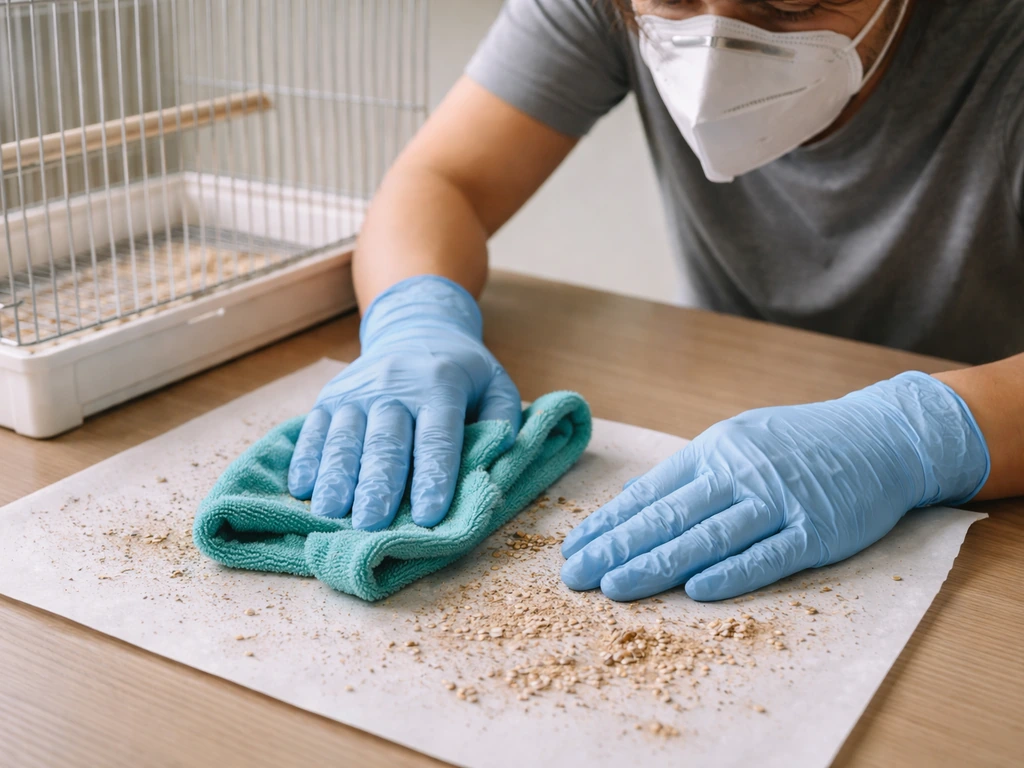
Cleaning is when most allergy symptoms spike, because it disturbs settled dust. These steps reduce how much you inhale during the process.
- Wear an N95 or KN95 respirator mask during cage cleaning, not just a cloth mask or surgical mask
- Wear gloves and avoid touching your face during and immediately after cleaning
- Dampen dried droppings and cage surfaces with a water spray before wiping rather than scraping them dry
- Use a vacuum with a HEPA filter rather than sweeping, and empty it outdoors
- Wash hands and forearms thoroughly with soap and water after any bird contact or cleaning
- Remove yourself (or your birds) from the room during cleaning when possible and ventilate well before re-entering
- Wash bird-related fabrics like cage covers, perch covers, and bedding frequently in hot water
- Shower and change clothes after extended bird handling sessions, especially before sleeping
If someone else in the household can take over cage cleaning, that's the single most effective way to reduce your heaviest exposure. Even rotating the task weekly can help.
When to see a clinician and what to ask about
See a doctor if your symptoms are frequent, getting worse, or affecting your sleep, work, or daily life. You don't need to wait for a severe reaction. A primary care doctor can get you started, though an allergist or pulmonologist will give you the most specific answers.
What the evaluation typically involves
Your clinician will start by taking a detailed exposure history. Be specific: which birds you keep, how long you've had them, what your cleaning routine looks like, and exactly when and where symptoms occur. That pattern of symptom timing relative to exposure is often the most useful diagnostic information you can provide.
From there, the evaluation may include a physical exam focusing on your lungs and airways, a basic lung function test (spirometry) to check for airflow obstruction or signs of asthma, and allergy testing such as a skin prick test or blood test (specific IgE testing) to bird allergens including feather extracts and dander. For hypersensitivity pneumonitis, NHLBI notes that diagnosis is based on your history, physical exam, and lung tests and blood tests, and that exposure can be triggered by bird droppings, feathers, and animal furs chest imaging or more detailed blood work. If hypersensitivity pneumonitis is suspected based on your symptoms, additional tests like chest imaging or more detailed blood work may be ordered.
Useful questions to bring to your appointment
- Is this an IgE-mediated allergy, or could this be something like hypersensitivity pneumonitis?
- Should I have spirometry or other lung function tests done?
- What specific allergens should I be tested for given my bird exposure?
- Would antihistamines or a nasal corticosteroid spray help manage my symptoms?
- Do I need to rehome my birds, or can I manage this with exposure reduction?
- How will we know if my lungs are being affected, and how often should I be monitored?
Most people with straightforward bird dust allergies can manage well with a combination of medication, exposure reduction, and the cleaning steps above. The important thing is not to ignore worsening respiratory symptoms or assume they're just a nuisance. Getting an accurate picture of what's happening in your airways early gives you a lot more options and a lot more control.
| Condition | Typical symptoms | Timing | Responds to antihistamines? | Needs specialist evaluation? |
|---|---|---|---|---|
| Bird dust allergy | Sneezing, runny nose, itchy eyes, mild wheeze | Minutes after exposure, improves away from birds | Yes, often | If frequent or affecting quality of life |
| Asthma triggered by bird dust | Wheeze, chest tightness, breathlessness | During or shortly after exposure | Partially (needs inhaler) | Yes, pulmonologist or allergist |
| Hypersensitivity pneumonitis | Breathlessness, cough, fatigue, fever hours after exposure | Hours after heavy exposure, progressive over time | No | Yes, promptly |
| Respiratory infection (bird-related) | Cough, fever, colored mucus, body aches | Gradual onset, doesn't improve away from birds | No | Yes, especially if fever present |
FAQ
Why do my bird dust allergy symptoms flare most when I clean the cage, even if I am not around the birds for long?
Yes. If your symptoms are strongly linked to cleaning, relocating birds, or sweeping feather debris, the trigger is often dried particles in settled dust. A key practical step is to treat cleaning like a high-exposure activity, using a properly fitted respirator (at least an N95) and avoiding dry sweeping, since both can increase airborne particles even when the bird is absent.
Can bird dust allergy symptoms get worse at night or while I sleep?
Worsening allergy-type symptoms at night can happen if particles get trapped on bedding, curtains, or upholstered furniture in the room where the birds are kept. Focus on where the dust settles, wash or launder items regularly, and consider moving the bird setup away from bedrooms to reduce overnight exposure.
If my nose symptoms improve with allergy medication, does that rule out bird-related lung problems?
If you use antihistamines, many people see partial improvement for nasal and eye symptoms, but asthma or deep-breathing symptoms may still progress if the airways are inflamed. If you still have wheezing, chest tightness, or shortness of breath after typical allergy relief, ask your clinician about asthma control and whether the pattern could fit hypersensitivity pneumonitis.
How can I tell whether my symptoms are more like a normal bird dust allergy versus hypersensitivity pneumonitis?
True hypersensitivity pneumonitis often includes delayed effects after heavy exposure, but it can be tricky. A helpful decision aid is timing and persistence: allergy symptoms usually improve within hours to a day or two away from the bird environment, while pneumonitis symptoms can linger, progressively worsen, or reduce exercise tolerance. If you have fever or chills a few hours after intense exposure, get evaluated promptly.
Can bird dust allergy symptoms start even if I never had allergies before?
Yes, it can be. Even without a prior history, prolonged close contact can lead to new sensitization and the later appearance of symptoms. If your symptoms started only after becoming a consistent caregiver or spending long periods near birds, your clinician will want that timeline to guide testing and exposure changes.
Could I be reacting to bird dust without having a true allergy?
Sometimes. If you inhale bird-related dust you can experience irritation and coughing even without classic IgE allergy. A differentiator is whether other allergy features (itchy watery eyes, sneezing, runny nose) dominate and whether symptoms reliably improve when exposure stops; irritation alone may not follow the same consistent day-to-day allergy pattern.
What should I do if my bird dust symptoms include choking or coughing fits right after exposure?
Yes, and it changes the “what to do next” step. If symptoms occur during or after breathing in particles, and especially if you have coughing, choking, or shortness of breath that seems linked to dust exposure, mention “possible aspiration” to your clinician. They may assess reflux, airway protection, or related causes rather than treating only as nasal allergy.
What information helps most during a doctor visit for bird dust allergy symptoms?
Try to capture objective timing. Keep a simple log for 1 to 2 weeks noting bird contact, cleaning days, time of symptom onset, severity, and whether you were away from the bird environment afterward. This often makes clinician testing more targeted than focusing only on how you feel in the moment.
If I have bird dust allergy symptoms and I also have asthma, what should I ask my clinician about?
Asthma is a major overlap, so ask for an asthma-focused plan if you have wheezing, chest tightness, or nighttime cough, even if your main complaint feels like allergies. Your clinician may repeat spirometry during symptomatic periods or recommend a peak flow plan to see how triggers correlate with bird exposure.
When should I seek medical care for bird dust allergy symptoms instead of managing at home?
Some people assume they can “tough it out,” but frequent symptoms that affect sleep, work, or daily life are a reason to get evaluated earlier rather than later. If you notice symptoms progressively increasing over weeks, or you require escalating rescue inhaler use, seek medical care promptly rather than waiting for a severe episode.
What household changes reduce bird dust exposure beyond taking medication?
Yes. If you have frequent symptoms, you can reduce exposure by keeping birds out of the bedroom, using HEPA filtration in the room where the bird lives, and improving ventilation during cleaning. Also avoid brushing feathers dry or shaking bedding, since both can release more particles into the air.
What tests are most useful when bird dust allergy symptoms are affecting my breathing?
Consider testing for both specific IgE and lung involvement. If symptoms include persistent cough or breathlessness that is not fully explained by nasal symptoms, ask whether spirometry and allergy testing are appropriate, and whether imaging is needed if hypersensitivity pneumonitis is a concern.
Can bird dust exposure contribute to ear irritation or infections along with allergy symptoms?
Yes, because bird dust exposure can also involve ears. If you have ear pain, drainage, pressure, or recurring infections alongside respiratory symptoms, bring it up at the visit so the clinician can consider whether inflammation or infection is being triggered by the same exposure environment.
Next Article
Bird Ear Infection Symptoms: Signs, Causes, and Next Steps
Bird ear infection symptoms checklist, how to tell mites or sinus issues apart, and next-step vet guidance.